Why DFW Homes Crack: The Clay Soil Under Your Slab
The Blackland Prairie clay under Dallas-Fort Worth swells after wet springs and shrinks through dry summers. Here is how that cycle moves your slab, the signs to watch for, and how piers stop it.
Short answer
Most DFW homes crack because they sit on expansive clay. The soil swells when it gets wet and shrinks when it dries, and it rarely does either evenly. A slab on top of it gets lifted in some spots and loses support in others. That is where sticking doors, stair-step brick cracks and gaps at window frames come from. Piers fix it by carrying the house down to stable ground, below the layer that moves.
If you own a home in Dallas, Plano, Garland, Wylie or almost anywhere else in the Metroplex, you have probably heard a neighbor talk about foundation work. That is not bad luck, and it is not always bad construction. It is geology. A large part of North Texas sits on the Blackland Prairie, a belt of dark, dense clay soil that is great for growing cotton and hard on concrete slabs.
This article explains what that clay actually does, why the damage shows up where it does, and what a real repair looks like, so you can tell the difference between a house that needs watching and a house that needs piers.
What makes Blackland Prairie clay so hard on foundations
Clay is made of extremely fine, flat particles. The clays common in North Texas soak water into their structure, and when they do, they swell. When the water leaves, they shrink and crack. Engineers call this expansive or shrink-swell soil, and the Blackland Prairie clays are some of the most active in the country.
The movement is not small. A clay layer that has dried out through a long summer can open cracks wide enough to put your fingers in. A few weeks of spring rain can close those cracks and push the ground back up. Your slab is sitting on top of that, and it is only four to six inches of concrete with some steel in it.
Here is the part most homeowners do not hear: the problem is rarely that the soil moves. The problem is that it moves unevenly. The ground under the middle of the house stays fairly stable because the slab shades it. The ground at the edges dries out and rehydrates with every season. A downspout dumping at one corner or a big oak pulling water out of one side makes it worse. The slab gets lifted in one place and loses support in another, and it bends.
The wet-spring, dry-summer cycle in North Texas
DFW weather sets the clay up for trouble almost every year. A typical pattern looks like this:
- Spring: heavy rain soaks the soil. The clay swells and can lift the edges of the slab. Homeowners notice doors that suddenly stick or will not latch.
- Summer: weeks of heat near or above 100 degrees pull moisture out of the ground. The clay shrinks and pulls away from the perimeter beam. The edges of the house can drop, and cracks open in brick and drywall.
- Fall: the first real rains return. Some cracks close back up, which convinces a lot of people the problem went away.
- Drought years: this is when damage jumps. A long dry stretch shrinks the clay deeper than usual, and the slab can settle further than it has in years.
Because the cycle repeats, foundation damage in North Texas tends to be progressive. A crack that opens and closes with the seasons is telling you the structure is moving every year. That is why a single patch almost never ends the story.
Warning signs to look for around your home
Foundation movement shows up in the parts of the house that are rigid and square: brick, door frames, windows and drywall. Walk your house with this list:
Outside
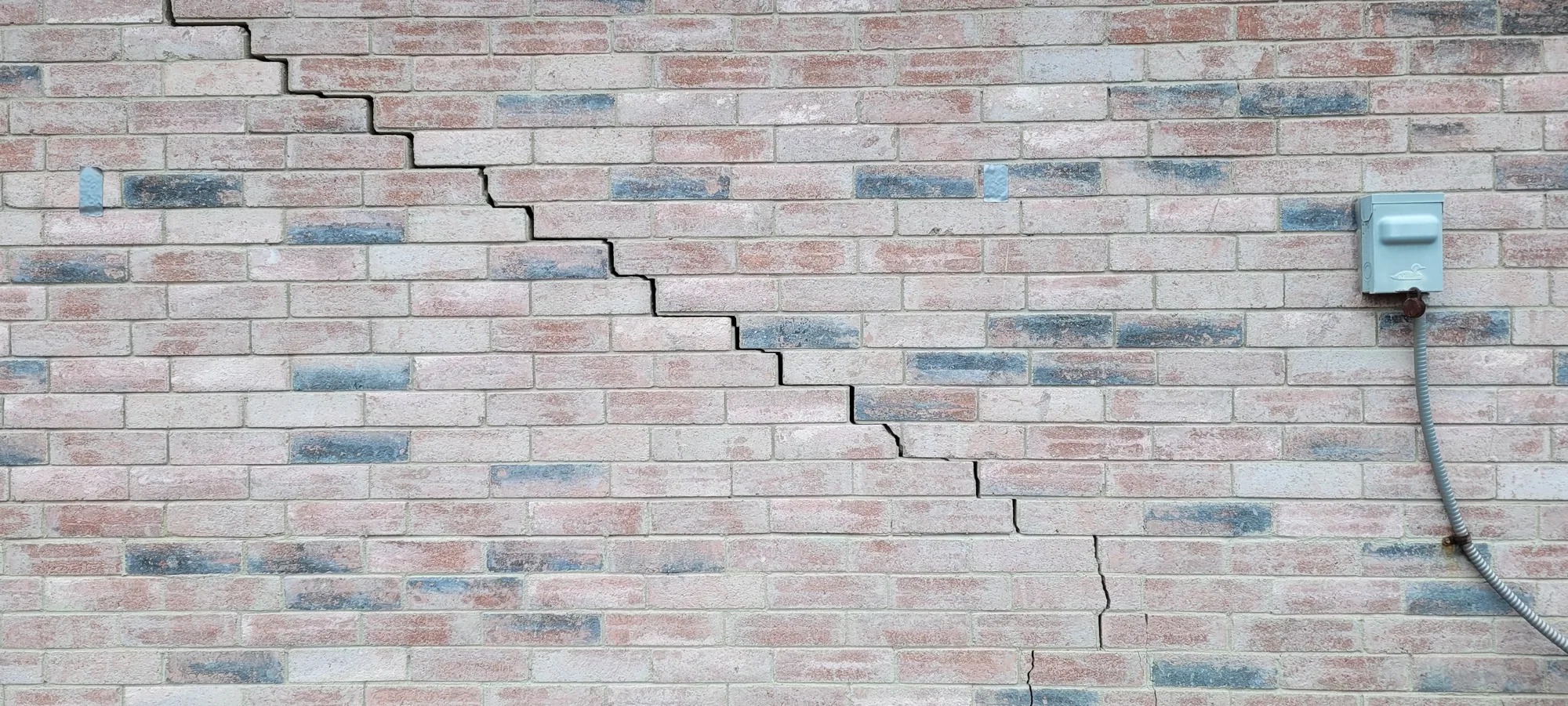
- Stair-step cracks in brick. Cracks that follow the mortar joints in a zig-zag, usually starting at a corner of a window or door, or near a corner of the house.
- Gaps at window frames and trim. Brick pulling away from a window frame or garage door jamb, or caulk joints that keep splitting.
- Separation at the frieze board. A gap opening between the top of the brick and the trim board under the eaves.
- Exposed slab edge with cracks, or soil pulled away from the foundation during summer.
Inside
- Doors that stick, swing on their own or will not latch, especially if the gap above the door is wider on one side.
- Diagonal drywall cracks running from the corners of doors and windows. We cover these in detail in Drywall Cracks Above Doors: Cosmetic or a Foundation Warning?
- Sloping or uneven floors, or cracks in tile that line up across several tiles.
- Gaps where walls meet the ceiling or where cabinets meet the wall.
What one sign means
One hairline crack on its own is often normal settling or shrinkage. Several signs showing up together, or a crack that keeps coming back after it is patched, usually means the slab is moving. That is the point where a measured evaluation is worth more than another round of caulk.
How a foundation evaluation should work
A good evaluation is based on measurements, not on a quick look and a price. When we evaluate a slab in Dallas-Fort Worth, the core of it is a floor elevation survey. We take readings across the house with a digital level and map the high and low points. That map shows which direction the house is moving, how much, and where the support is missing.
We also walk the outside: the grading, where the gutters discharge, trees close to the foundation and any standing water. Those are the things that feed uneven soil moisture, and if they are not addressed, a repair is fighting the same forces that caused the damage. You get the findings documented, which also matters if your insurance carrier ever asks what was found.
For more on how the process works from start to finish, read our guide, Understanding Foundation Repair.
How piers stabilize a slab on clay
You cannot stop North Texas clay from moving. What you can do is stop depending on it. That is what piers do. A pier is a support driven or installed down through the active clay to a deeper, more stable layer, then tied to the underside of the perimeter beam or interior beams. The house now rests on the piers instead of on the soil that swells and shrinks.
The two systems we use most often are:
- Steel piers: steel pipe sections pressed into the ground with a hydraulic ram, using the weight of the structure, until they reach refusal on a load-bearing layer.
- Helical piers: steel shafts with helix plates that are screwed into the soil and torqued to a measured capacity. They work well where the load is lighter or where access is tight.
Once the piers are in, the slab can be lifted back toward level in controlled stages while the readings are checked. The goal is not always a perfectly flat floor. The goal is to stabilize the structure and bring it back as far as it safely goes without creating new cracks. Most residential foundation jobs run a few days on site once work begins, depending on how many piers are needed and how hard the access is.
Protecting the repair, and the house, from here on
Piers take the soil movement out of the equation for the supported areas, but water still matters. The clay under an unpiered part of the slab, your driveway and your flatwork still reacts to moisture. A few habits make a real difference in DFW:
- Move water away from the house. The ground should slope away from the foundation, and downspouts should discharge several feet out. Our article on standing water near your slab covers how to check this.
- Keep soil moisture steady in drought. During long dry spells, a soaker hose placed a foot or two from the slab and run on a schedule keeps the perimeter clay from shrinking away from the beam.
- Watch trees near the foundation. Large trees close to the house pull a lot of water from the soil in summer. Root barriers or pruning may be part of the plan.
- Fix drainage and plumbing leaks quickly. A leak under the slab can swell the clay in one spot and lift the floor. See Slab Leaks: When Your Foundation and Your Plumbing Fail Together.
If your drainage is part of the problem, our drainage and water management team can correct the grading and install French drains or surface drains alongside the foundation work.
When to call for an evaluation
Call when you see more than one of the signs above, when cracks come back after being repaired, or when doors that used to work fine start sticking during the same season every year. Call before you patch drywall or repaint, too. Cosmetic work done on a moving house tends to crack again within a season.
Texas Structural Concepts evaluates and repairs foundations for homes and commercial buildings across Dallas, Fort Worth, Plano, Frisco, McKinney, Allen, Garland, Wylie, Rockwall, Mesquite, Arlington and the rest of the Metroplex. The evaluation is free, the findings are documented, and you get a written scope that shows the reasoning behind every pier. Learn more about our foundation repair service, or schedule your free estimate.
Frequently asked questions
Is foundation movement normal for houses in Dallas-Fort Worth?
Some seasonal movement is normal on North Texas clay, and small hairline cracks are common. Movement becomes a problem when it causes doors to bind, cracks that keep reopening, sloping floors or separation at brick and trim. Those signs mean the slab is bending, not just shrinking a little.
Can watering my foundation really prevent damage?
It can reduce it. Keeping the soil around the perimeter evenly moist during droughts helps stop the clay from shrinking away from the slab. It will not fix a house that has already settled, and overwatering or pooling water can cause swelling, so the goal is steady moisture, not a soaked yard.
How long does a foundation repair take?
Most residential foundation repairs take a few days on site once work begins. The exact time depends on how many piers are needed, the type of pier, and how easy it is to reach the areas that need support.
Will piers make my floors perfectly level?
Not always. Piers stabilize the structure and allow controlled lifting back toward level, but older homes have usually moved in more than one direction over the years. The goal is to lift as far as the structure safely allows without creating new damage, and to stop further settlement.
Free on-site evaluation
Seeing this at your property?
We start with floor elevation readings and a walk of the drainage, then write a pier plan around what the numbers show. We serve residential and commercial properties across Dallas-Fort Worth and work alongside insurance carriers when a claim is involved.
Keep learning: Foundation Repair · Understanding Foundation Repair
 Foundation Repair
Pier-and-Beam Problems in Older DFW Neighborhoods
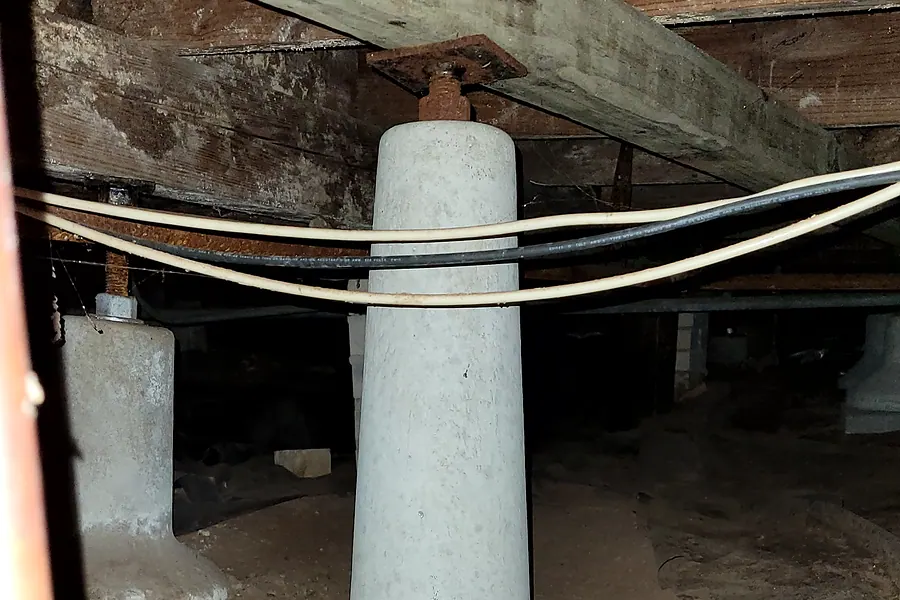
Older crawl-space homes in East Dallas, Oak Cliff, Fort Worth and historic downtown Garland, McKinney and Wylie have their own set of problems. Sagging floors, rotted sills and crawl-space moisture, and when shims are enough.
7 min readRead article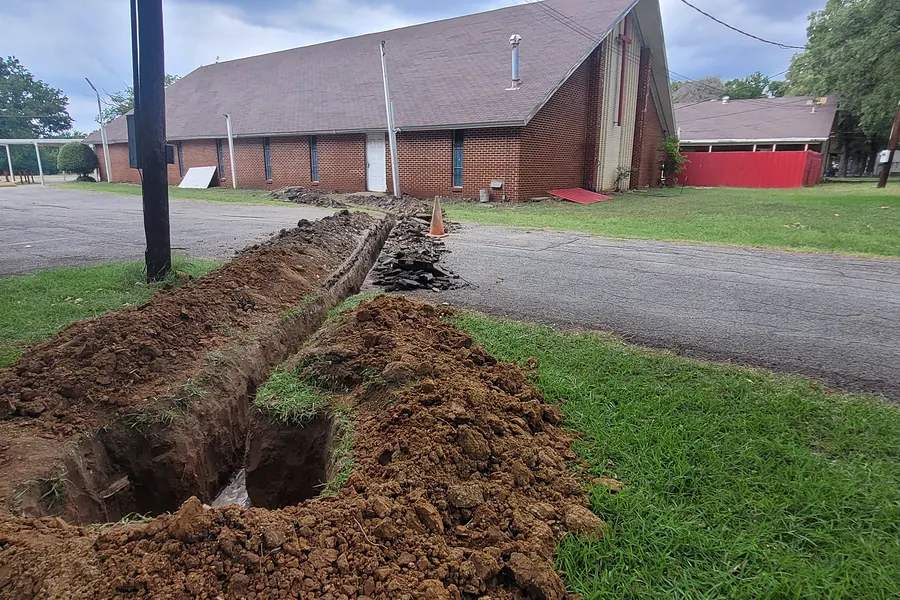 Drainage & Water Management
Standing Water Near Your Slab? How Poor Drainage Feeds Foundation Problems
Water that pools against the foundation soaks the clay on one side of the house and not the other. Here is how grading, gutters, French drains and surface drains keep water moving away, and how drainage protects a foundation repair.
6 min readRead article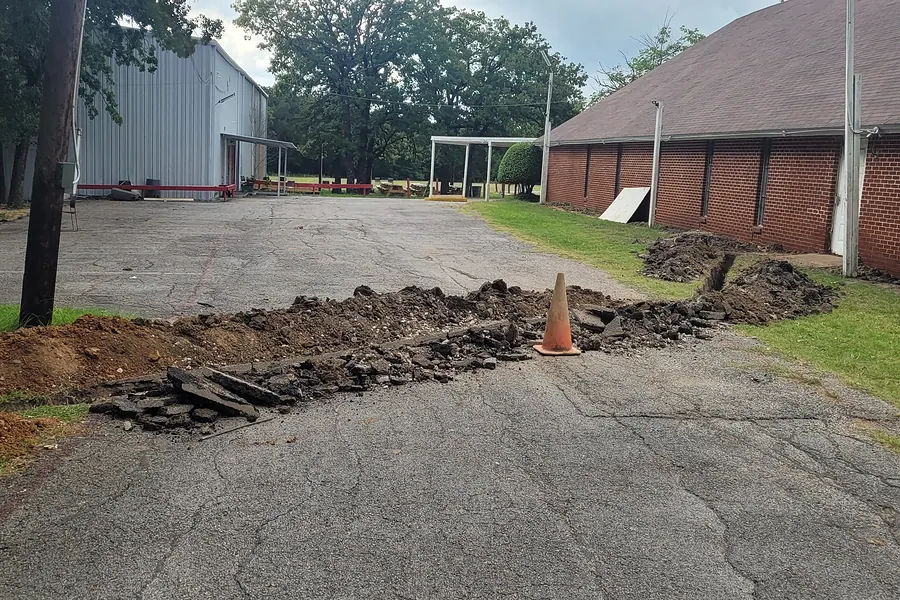 Drainage & Water Management
New Build, Bad Drainage: Yard Problems in Fast-Growing DFW Suburbs
The building boom in Celina, Prosper, Forney, Princeton and similar suburbs has put thousands of new homes on tight lots and fresh backfill. Here is why the grading often fails in the first few years, and what to check before your builder warranty runs out.
6 min readRead article