Still Have Single-Pane Windows? What They Are Costing You in a Texas Summer
Many DFW homes built from the 1970s to the 1990s still have aluminum single-pane or early double-pane windows. Here is how much heat they let in, what Low-E and solar heat gain ratings mean, and what to look for in a replacement.
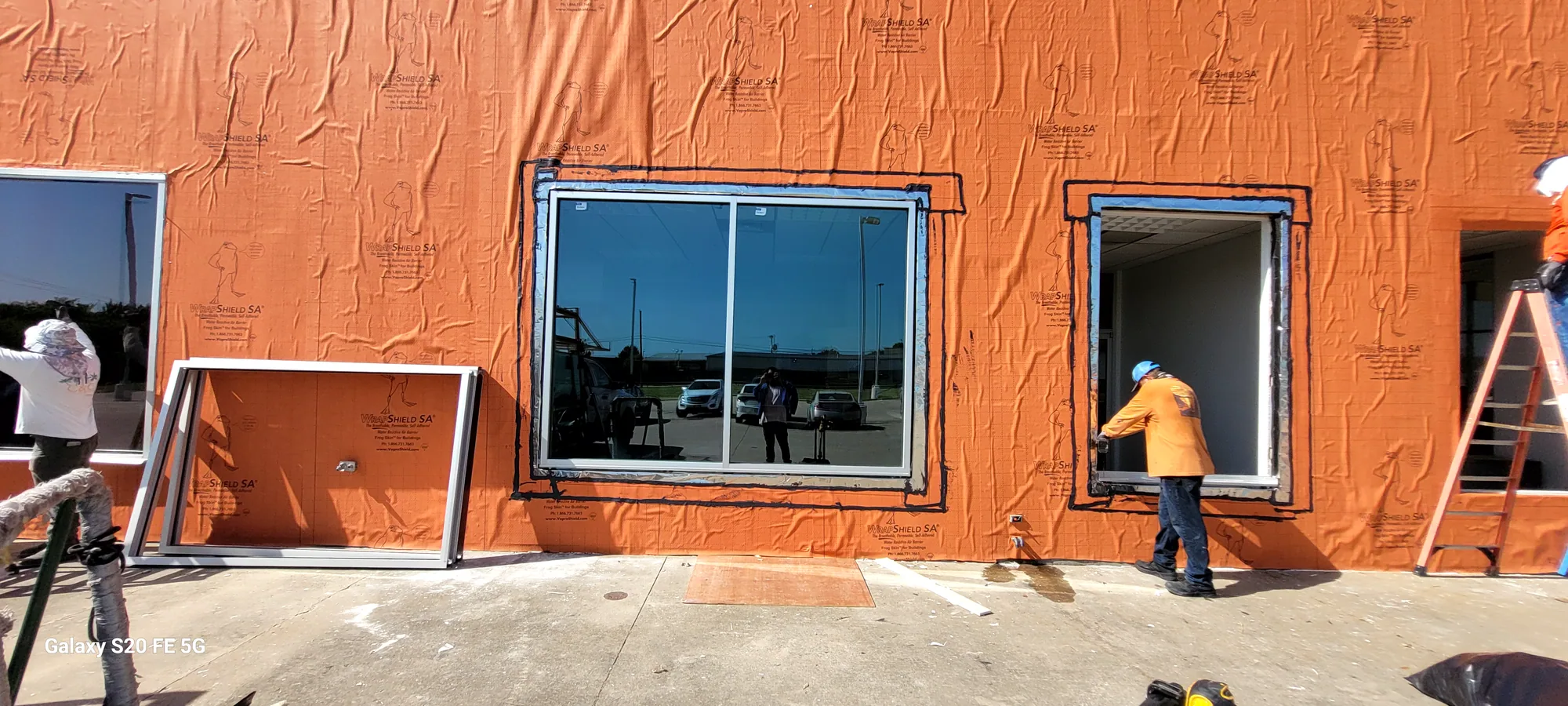
Short answer
Old single-pane and early double-pane windows let in far more solar heat than modern glass, and aluminum frames conduct heat straight through. In a North Texas summer that means hot rooms and an AC that runs longer. For DFW, the ratings that matter most are a low Solar Heat Gain Coefficient (SHGC), which blocks the sun, and a low U-factor, which slows heat moving through the window. Low-E double-pane windows in insulated frames do both.
If your home in Dallas, Garland, Richardson, Mesquite or Arlington was built between the 1970s and the 1990s, there is a good chance it still has its original windows. A lot of those are thin aluminum frames with single-pane glass, or early double-pane units with clear glass and no coatings. They were standard for the time. They were not built for 100-degree afternoons with the sun sitting on the west wall.
This article explains where the heat comes in, what the labels on modern windows mean, and how to tell whether replacing yours is worth it.
How heat gets through an old window
Heat moves through a window in three ways, and old windows are weak at all of them:
- Solar radiation. Sunlight passes through clear glass and turns into heat when it hits your floor and furniture. Clear single-pane glass lets most of that energy straight in. This is the biggest factor in a Texas summer, especially on west- and south-facing windows.
- Conduction. Heat moves through the glass and the frame from the hot side to the cool side. A single sheet of glass is a poor insulator, and aluminum is an excellent conductor. On a hot day an old aluminum frame can be warm to the touch from the inside.
- Air leakage. Worn weatherstripping, loose sashes and failed caulk let hot, humid air in and cool air out.
Put all three together on a July afternoon and a room with big west-facing windows can stay several degrees warmer than the rest of the house no matter how low the thermostat is set.
The ratings that matter for North Texas
Every new window should carry an NFRC label. These are the numbers to read:
| Rating | What it measures | What you want in DFW |
|---|---|---|
| Solar Heat Gain Coefficient (SHGC) | How much of the sun’s heat gets through, on a scale of 0 to 1. | Low. This is the most important number in a cooling climate. Many Low-E windows for the South are rated around 0.25 or lower. |
| U-factor | How easily heat moves through the whole window. Lower is better. | Low. Around 0.30 or below is a common target for efficient windows here. |
| Visible Transmittance (VT) | How much daylight comes through. | Higher keeps rooms bright. Good Low-E glass blocks heat while keeping most of the light. |
| Air Leakage (AL) | How much air passes through the closed window. | Low, ideally 0.3 or less. |
ENERGY STAR publishes criteria by climate zone, and most of the Metroplex falls in its South-Central zone. Checking a window against the current criteria for that zone is a simple way to confirm it is built for our summers.
What Low-E coatings actually do
Low-E stands for low emissivity. It is a microscopically thin metal oxide coating on the glass that reflects infrared heat while letting visible light through. In a hot climate, the right Low-E coating bounces a large share of the sun’s heat back outside before it gets into the room. You still get the view and the daylight without the heat that usually comes with it.
Modern double-pane units add more on top of the coating:
- Two panes with a sealed space between them, often filled with argon gas, which slows conduction.
- Warm-edge spacers that reduce heat moving around the edge of the glass.
- Vinyl, fiberglass or thermally broken frames instead of plain aluminum, so the frame does not act like a heat conductor.
A common misconception
Early double-pane windows from the 1980s and 1990s are not the same as modern Low-E units. Many of them have clear glass with no coating in an aluminum frame. They are better than single-pane at slowing conduction but let almost as much solar heat through. If yours are fogging between the panes, the seal has failed and the insulating gas is gone.
How new windows cut AC run time
Your air conditioner has to remove every bit of heat that comes into the house. When the windows are letting in a large amount of solar heat, the system runs longer, cycles less, and struggles to keep up during the stretches of 100-degree days North Texas gets most summers. Replacing high-gain windows with low-SHGC glass reduces the heat the AC has to fight. Homeowners usually notice it first in the rooms that used to be hardest to cool.
How much you save depends on the size and direction of your windows, how much shade the house gets, your insulation and your AC. West-facing glass with no shade gets the biggest improvement. We will not promise you a percentage off your bill without looking at the house, but we can show you which windows are doing the most damage.
Other benefits homeowners notice
- Comfort near the glass. Sitting next to an old window on a summer afternoon feels like sitting next to a heater. Low-E glass stays much closer to room temperature.
- Less fading. Low-E coatings block much of the ultraviolet light that fades floors, rugs and furniture.
- Quieter rooms. Double-pane glass reduces traffic and neighborhood noise.
- Easier operation and security. New sashes open, close and lock the way they are supposed to.
- Storm resistance. New windows can be ordered with laminated or impact-rated glass for extra protection in hail season. See Hail Season in North Texas.
Signs your windows are ready to replace
- Single-pane glass or bare aluminum frames
- Fog or moisture trapped between double panes
- Drafts, gaps or daylight around the sash
- Sashes that stick, will not stay up or will not lock
- Rooms that stay hot even with the blinds closed
- Rotted or damaged wood around the frame
Our guide, Signs It Is Time to Replace Your Windows, goes through each of these in more detail.
Do not ignore the opening around the window
A new window is only as good as the opening it goes into. When we replace windows, we check the rough opening, flashing and surrounding trim for rot or water damage and seal the unit properly to the wall. In North Texas, it is also worth looking at why a window is out of square. A window that sticks or has cracked glass on a wall with stair-step brick cracks may be telling you about foundation movement, not just an old window. Why DFW Homes Crack explains that connection.
Getting a quote
Texas Structural Concepts replaces windows and glass for homes and commercial buildings across Dallas, Plano, Richardson, Garland, Mesquite, Rowlett, Rockwall, Arlington and the rest of the Metroplex. We look at the orientation of each window, recommend glass that fits that side of the house, and install it so it seals right. Learn more about our window and glass service or request your free estimate.
Frequently asked questions
What is a good SHGC for windows in Dallas?
For most DFW homes, a low Solar Heat Gain Coefficient is the priority because cooling is the bigger cost. Many Low-E windows designed for southern climates are rated around 0.25 or lower. Check the NFRC label and the current ENERGY STAR criteria for the South-Central zone.
Are double-pane windows from the 1990s good enough?
Many are not. Windows from that era often have clear glass with no Low-E coating and aluminum frames, so they still let in a lot of solar heat. If the seals have failed and the glass is fogging, they have also lost most of their insulating value.
Can I just add window film instead of replacing?
Solar film can reduce heat gain on sound windows and is a reasonable short-term step. It does not fix conductive aluminum frames, air leaks, failed seals or damaged sashes, which is where most old windows lose their performance.
Which windows should I replace first?
West- and south-facing windows with no shade usually let in the most heat in a Texas summer. If you are replacing in stages, starting there typically gives the biggest improvement in comfort.
Free on-site evaluation
Seeing this at your property?
We replace failed and outdated windows with glass rated for the Texas sun, for homes and commercial buildings. We serve residential and commercial properties across Dallas-Fort Worth and work alongside insurance carriers when a claim is involved.
Keep learning: Window & Glass · Signs It Is Time to Replace Your Windows
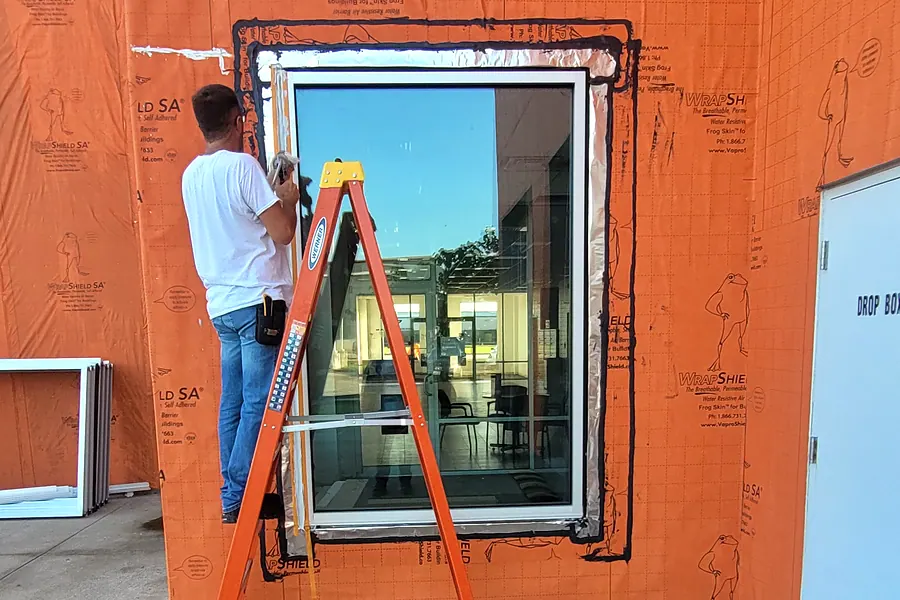 Window & Glass
Hail Season in North Texas: What to Do When a Storm Breaks Your Windows
Dallas-Fort Worth sits in one of the most hail-prone parts of the country. Here is what to do in the first hours after a storm breaks your windows, what to document for the claim, and the hidden damage adjusters and homeowners often miss.
6 min readRead article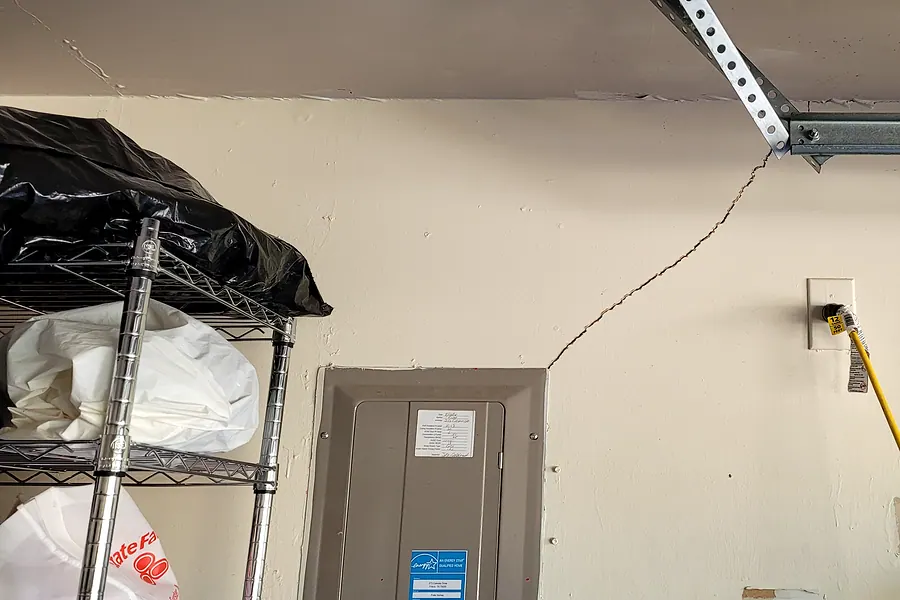 Paint & Sheetrock
Drywall Cracks Above Doors: Cosmetic or a Foundation Warning?
It is one of the most common questions North Texas homeowners ask. Here is how to read diagonal cracks at door corners, nail pops and ceiling cracks, when to get a foundation evaluation first, and why patching a moving wall brings the crack right back.
7 min readRead article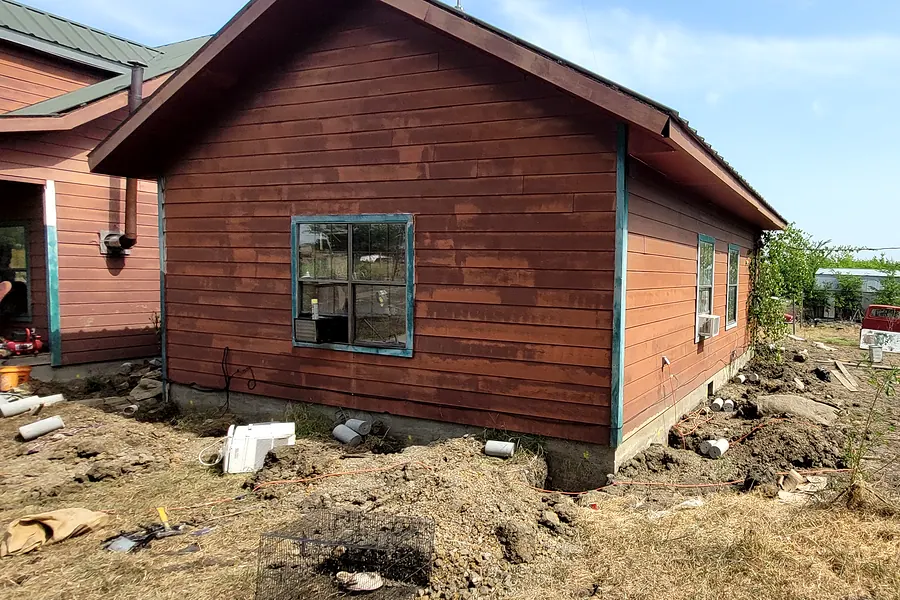 Paint & Sheetrock
Exterior Paint Under the Texas Sun: Timing, Products and Prep
Intense UV and summer heat wear exterior paint out faster in North Texas than in most of the country. Here is when to paint in DFW, how heat affects adhesion, why rotted trim has to be repaired first, and the products that last.
6 min readRead article