New Build, Bad Drainage: Yard Problems in Fast-Growing DFW Suburbs
The building boom in Celina, Prosper, Forney, Princeton and similar suburbs has put thousands of new homes on tight lots and fresh backfill. Here is why the grading often fails in the first few years, and what to check before your builder warranty runs out.
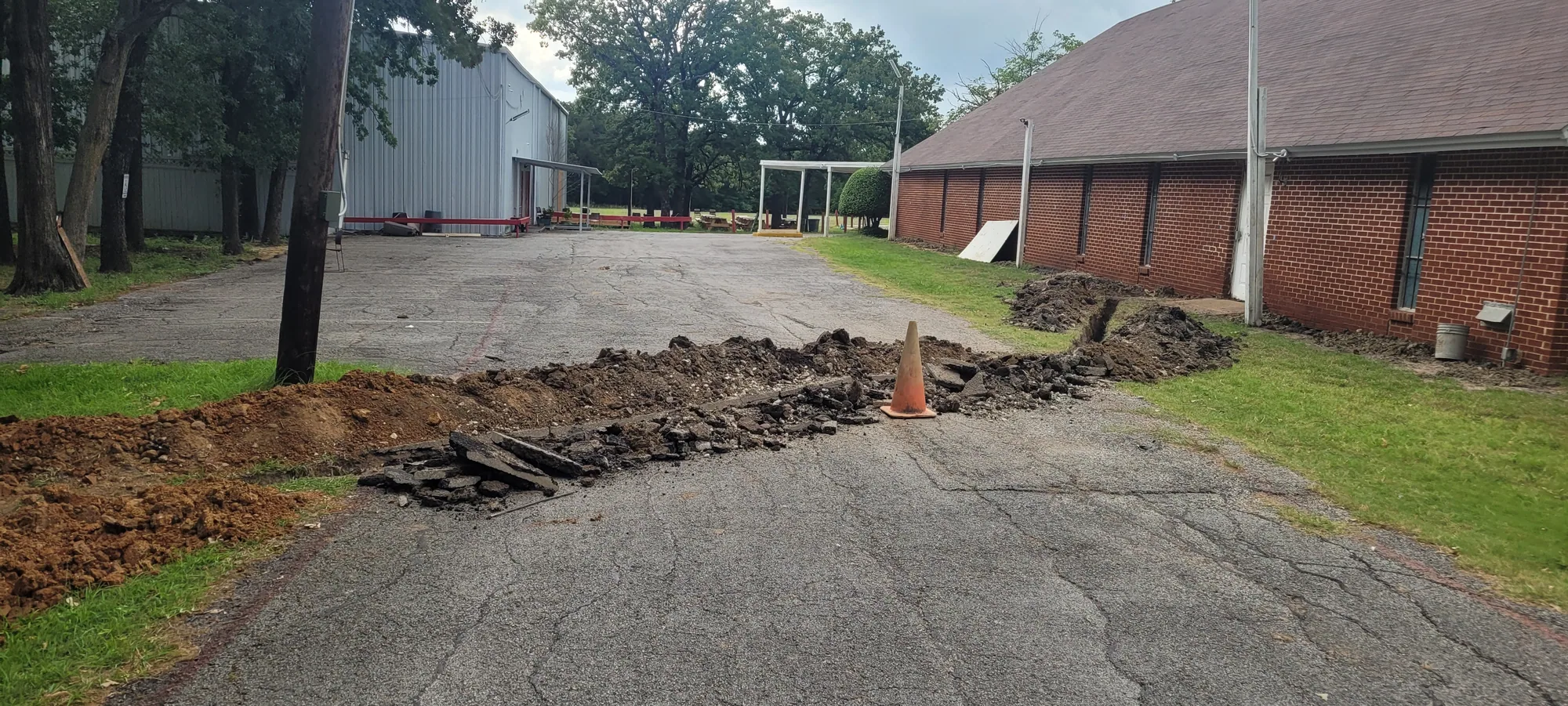
Short answer
Many new homes in fast-growing DFW suburbs develop drainage problems in the first few years because the loose backfill around the foundation settles and the ground ends up sloping toward the house instead of away. Tight lots, shared side-yard swales, fences, landscaping and sprinklers make it worse. Watch where water goes during heavy rain, document problems with photos and video, and report them to your builder in writing before the relevant warranty period ends.
North Texas has been one of the fastest-growing regions in the country, and a lot of that growth is happening on former farmland at the edges of the Metroplex. Celina, Prosper, Forney, Princeton, Anna, Melissa, Little Elm, Royse City and Fate have added subdivision after subdivision. The homes are new, but the ground under them is the same expansive clay that has been cracking foundations in Dallas for a century, and it has just been dug up, moved and packed back around a new slab.
This article explains why new-construction lots develop drainage problems, what to look for, and how to use your builder warranty before it runs out.
Why new lots develop negative slope
When a home is built, the soil is excavated for the foundation and utilities, then backfilled around the slab. The builder grades the lot so it slopes away from the house, lays sod and hands over the keys. The trouble starts over the next few seasons:
- Backfill settles. Soil placed back against the foundation and over utility trenches is looser than undisturbed ground. Rain and irrigation compact it. The strip right next to the slab drops, and the slope that used to carry water away now carries it toward the house.
- Clay shrinks and swells. Freshly disturbed clay goes through its first wet and dry cycles with the new house on top of it.
- Sod hides the problem. A new lawn looks level even when the ground under it has sunk a couple of inches.
- Flatwork settles. Patios, walkways and driveways poured on disturbed soil can settle and tip toward the house, sending water to the foundation.
This is called negative slope or negative grade, and it is one of the most common issues we see in homes that are only a few years old.
Tight lots and shared runoff
New subdivisions often put houses close together with narrow side yards. Those side yards usually carry a drainage swale, a shallow channel designed to move water from the backyards out to the street. The system depends on every lot keeping its part of the swale open. Common ways it breaks down:
- Fences built across the swale with the bottom rail or boards set into the soil
- Landscape beds, rock borders or AC pads placed in the flow path
- A neighbor adding fill or a patio that raises their side
- Pools and additions that change how water leaves the backyard
- Downspouts from two houses dumping into the same narrow side yard
When a swale is blocked, water backs up into the backyard or pools against the foundations on both sides of it. Many subdivisions have drainage plans and easements that restrict what can be built in these areas, so check your plat and HOA rules before adding fences or beds, and before regrading.
Watch the next big storm
The best inspection you can do costs nothing. During a heavy rain, walk around the house with your phone and record where the water goes. Look for water flowing toward the slab, pooling along walls, backing up in side yards or sitting on patios. That video is the most useful evidence you can give a builder or a contractor.
What to check before your builder warranty expires
Builder warranties vary, so read yours. Many Texas builders offer a limited warranty with different terms for different parts of the house, commonly shorter coverage for workmanship and materials, a longer period for systems, and a longer structural period. Drainage and grading may fall under a short workmanship window, so do not wait. Check these items well before any deadline:
- Slope next to the foundation. Lay a straight board or level out from the slab. The ground should drop away from the house. A common code standard is about six inches of fall in the first ten feet where the lot allows.
- Soil settlement along the slab. Look for low strips or gaps where the backfill has dropped.
- Exposed slab height. The soil should sit a few inches below the brick or siding line, not against it.
- Downspouts. They should discharge well away from the foundation or into drain lines, not at the slab.
- Side-yard swales. Water should flow freely to the front or back as designed.
- Standing water in the yard more than a day after rain.
- Flatwork tipping toward the house, and cracks in new concrete. See Why DFW Driveways Crack Early.
- Early foundation signs: new cracks at door and window corners, sticking doors, brick cracks. See Drywall Cracks Above Doors.
Report it the right way
- Submit warranty requests in writing, following the builder’s process, and keep copies.
- Include dated photos and rain videos.
- Note where water pools and how long it stays.
- Ask what the builder will do and when, and get it in writing.
Common fixes for new-construction drainage
- Regrading the soil next to the foundation to restore positive slope
- Reshaping side-yard swales and clearing blocked flow paths
- Downspout extensions or underground drain lines to the street or a proper discharge point
- Surface drains with catch basins for low spots and patios
- French drains where the soil stays saturated
- Adjusting irrigation so sprinklers are not soaking the foundation edge
We explain how surface drains and French drains differ in Standing Water Near Your Slab? For more options, see our guide How to Fix Poor Yard Drainage.
After the warranty
If your warranty has expired or the builder will not address the problem, fix the drainage anyway. It is far cheaper than foundation repair, and the first few years are when a new house is most sensitive to uneven soil moisture. A drainage evaluation also gives you documentation of the conditions if you later need to pursue a structural warranty claim.
Texas Structural Concepts evaluates and corrects drainage on new and existing homes across North Texas, including Prosper, Celina, Frisco, McKinney, Allen, Forney, Wylie, Rockwall and the rest of DFW. If your city is not listed, call (469) 333-0335. Chances are we cover it. Learn more about our drainage and water management service or schedule a free evaluation.
Frequently asked questions
Why does my new house have drainage problems?
The most common cause is backfill settling around the foundation, which reverses the slope so water flows toward the house. Blocked side-yard swales, downspouts discharging at the slab, landscaping and irrigation also contribute, especially on tight lots.
Does my builder warranty cover yard drainage?
It depends on the warranty. Many builders cover grading and drainage under a limited workmanship period, which may be short. Read your warranty documents and submit any drainage issues in writing as early as possible.
Can I put a fence across the drainage swale in my side yard?
Fences that block a swale can back water up onto your lot and your neighbor’s. Many subdivisions have drainage easements and HOA rules for these areas. Check your plat and HOA guidelines, and leave a gap at the bottom of the fence so water can pass.
How do I know if my yard slopes toward my house?
Place a straight board on the ground running out from the foundation and set a level on it, or watch where water flows during heavy rain. If water moves toward the slab or pools along it, the grade needs correcting.
Free on-site evaluation
Seeing this at your property?
We map where the water goes after a storm, then fix the grading, drains and downspouts so it leaves the slab alone. We serve residential and commercial properties across Dallas-Fort Worth and work alongside insurance carriers when a claim is involved.
Keep learning: Drainage & Water Management · How to Fix Poor Yard Drainage
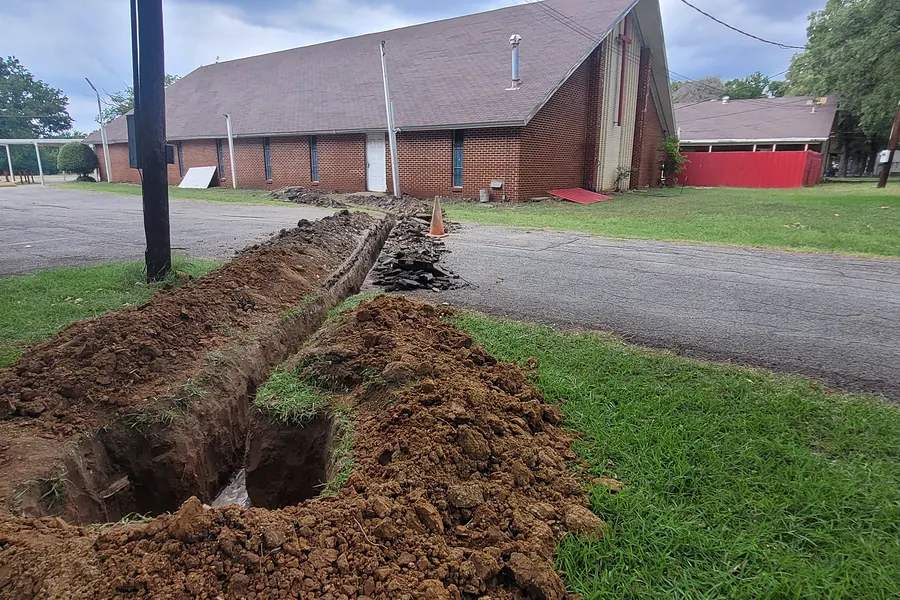 Drainage & Water Management
Standing Water Near Your Slab? How Poor Drainage Feeds Foundation Problems
Water that pools against the foundation soaks the clay on one side of the house and not the other. Here is how grading, gutters, French drains and surface drains keep water moving away, and how drainage protects a foundation repair.
6 min readRead article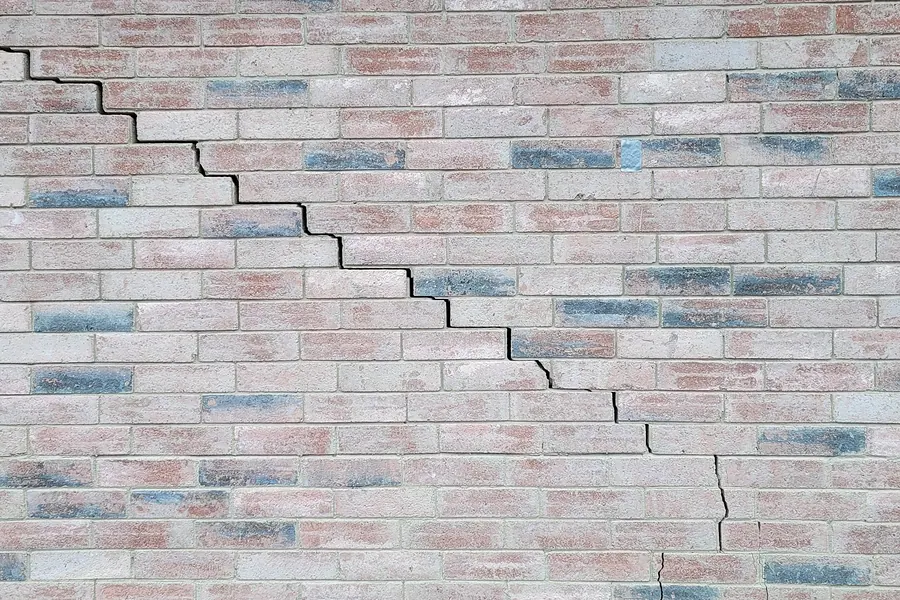 Foundation Repair
Why DFW Homes Crack: The Clay Soil Under Your Slab
The Blackland Prairie clay under Dallas-Fort Worth swells after wet springs and shrinks through dry summers. Here is how that cycle moves your slab, the signs to watch for, and how piers stop it.
8 min readRead article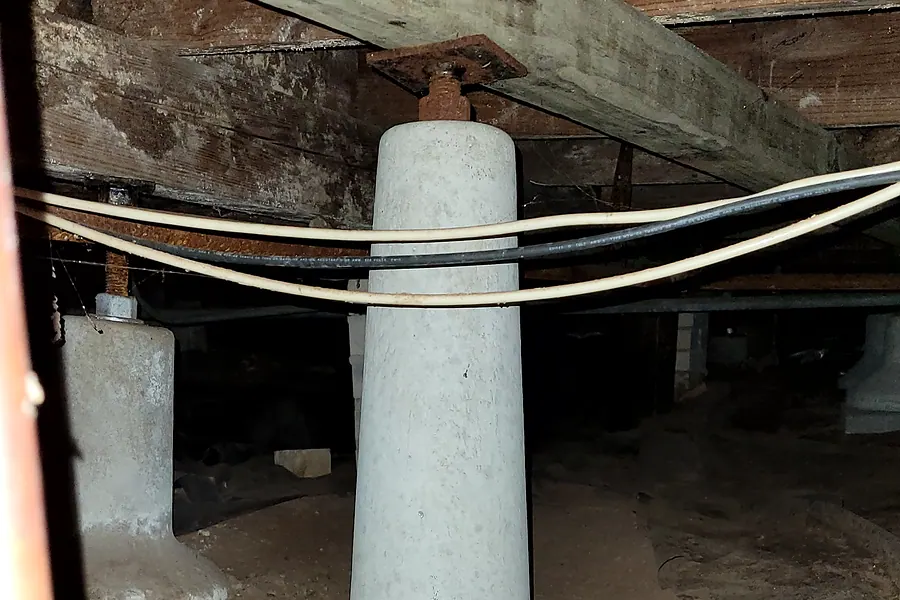 Foundation Repair
Pier-and-Beam Problems in Older DFW Neighborhoods
Older crawl-space homes in East Dallas, Oak Cliff, Fort Worth and historic downtown Garland, McKinney and Wylie have their own set of problems. Sagging floors, rotted sills and crawl-space moisture, and when shims are enough.
7 min readRead article