Drywall Cracks Above Doors: Cosmetic or a Foundation Warning?
It is one of the most common questions North Texas homeowners ask. Here is how to read diagonal cracks at door corners, nail pops and ceiling cracks, when to get a foundation evaluation first, and why patching a moving wall brings the crack right back.
Short answer
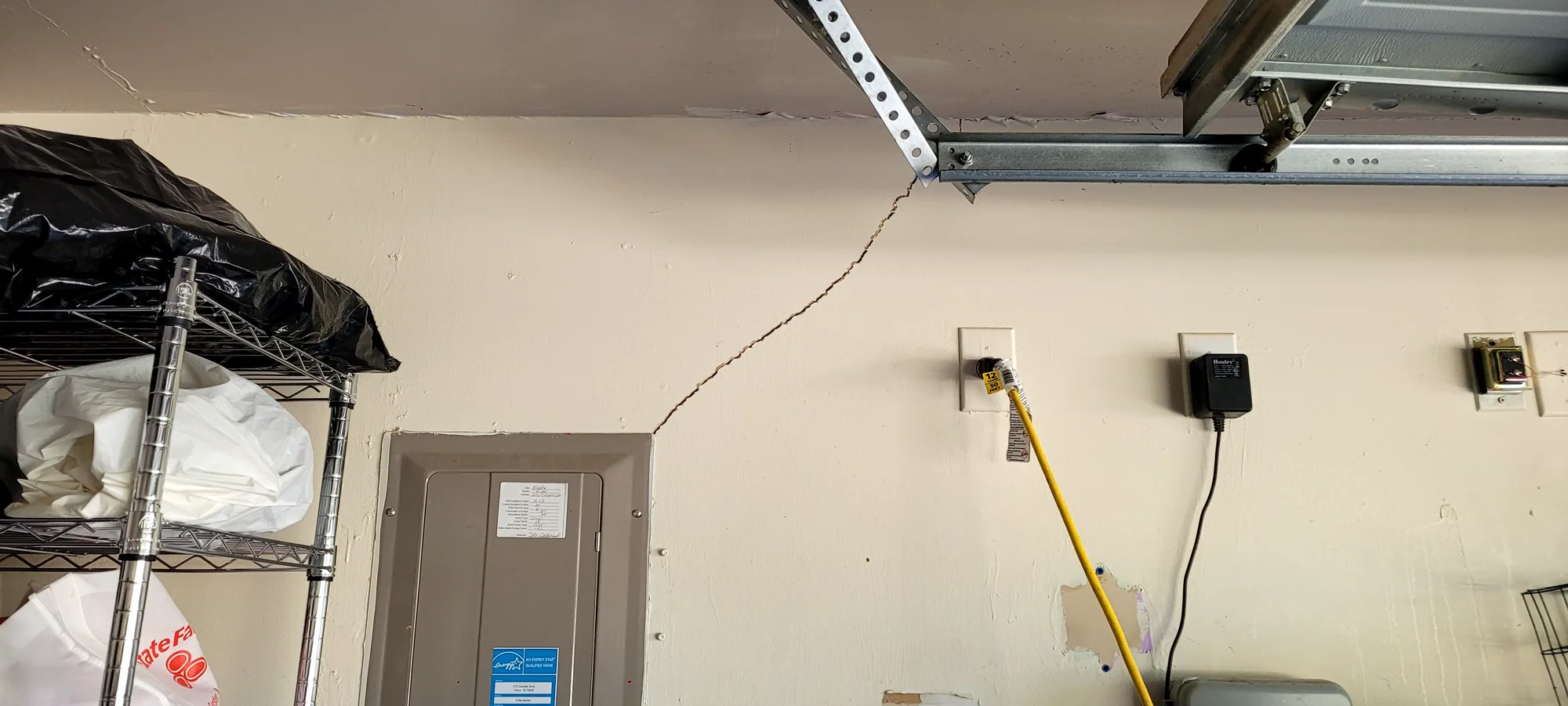
Not every drywall crack is a foundation problem. Nail pops, fine tape-line cracks and seasonal cracks where interior walls meet the ceiling are usually cosmetic. Diagonal cracks running from the corners of doors and windows, cracks wider than about an eighth of an inch, cracks that keep coming back, and cracks that show up with sticking doors or brick cracks outside are the ones that point to foundation movement. If the house is moving, patching first just brings the crack back.
Drywall is the most honest material in your house. It is rigid, it is everywhere, and it cracks when the structure behind it moves. That makes it a useful early warning system. It also makes it confusing, because drywall cracks for plenty of reasons that have nothing to do with the foundation.
Homeowners across Dallas-Fort Worth ask us this question more than almost any other. Here is how we tell the difference, and why the order of repairs matters.
Why cracks start at door and window corners
A door or window opening is a hole in a wall. When the wall is pushed or pulled, stress concentrates at the corners of that hole, the same way a crack in a windshield often starts at a chip. That is why a crack caused by structural movement almost always starts at a corner of a door frame or window and runs away from it at an angle.
On North Texas clay, the slab moves with the seasons. When one side of a house settles or heaves more than the other, the frame racks slightly out of square, and the corners of the openings are where it shows first. We explain the soil behind this in Why DFW Homes Crack.
Reading the common types of cracks
Diagonal cracks from door and window corners
These are the ones to take seriously. A crack running at roughly 45 degrees up and away from the top corner of a door, or down from a lower window corner, is a classic sign of differential movement. The direction of the crack can hint at which way the structure is moving. One on its own may be old and stable. Several, or one that grows, is worth an evaluation.
Nail pops
Nail pops are small round bumps or cracked circles where a drywall nail or screw has pushed out. They are usually caused by lumber shrinking as it dries, or by drywall that was not pressed tight to the framing when it was hung. They are very common in newer homes during the first couple of years. On their own, they are cosmetic.
Cracks along tape joints
Straight cracks that follow the seams between drywall sheets often come from normal shrinkage, humidity changes or a weak tape job. If they are fine and straight, they are usually cosmetic. If they open wide, run diagonally off a joint or appear alongside other signs, look closer.
Cracks where the wall meets the ceiling
A crack or gap along the top of interior walls that opens in winter and closes in summer is often caused by truss uplift. Roof trusses can bow upward slightly with seasonal temperature and moisture changes in the attic, lifting the ceiling away from interior walls. It is a known, mostly cosmetic issue. A gap that grows every year, or appears on exterior walls along with other signs, is a different story.
Ceiling cracks
Fine cracks along ceiling seams are usually cosmetic. Cracks with a sag, water stains or a crack running across the middle of the room deserve a look, because they can point to framing problems or a roof or plumbing leak above.
A quick checklist: cosmetic or structural?
| Usually cosmetic | Worth a foundation evaluation |
|---|---|
| Nail pops | Diagonal cracks from door or window corners |
| Hairline, straight tape-joint cracks | Cracks wider than about 1/8 inch, or one side of the crack sitting proud of the other |
| Seasonal gaps at interior wall and ceiling joints | Cracks that come back after being patched |
| A single old crack that has not changed | Several new cracks in the same part of the house |
| Cracks near a recent remodel or fixture install | Cracks along with sticking doors, sloping floors, or brick cracks outside |
The door test
Close the door and look at the gap between the door and the frame. It should be even along the top and the latch side. A gap that tapers, wider at one end and tight at the other, or a door that rubs, will not latch or swings open on its own, means the frame has racked. Put that together with a diagonal crack above the door and you have a strong sign of movement.
Track it before you patch it
Mark each end of a crack with a pencil line and the date, and take a photo with a ruler next to it. Check it again in a month and after a season change. A crack that grows past your marks is active. That information is also useful at an evaluation.
When to call for a foundation evaluation first
Get the foundation checked before any drywall work if you see:
- Diagonal cracks at several doors or windows
- Doors that stick, will not latch or have uneven gaps
- Stair-step cracks in exterior brick
- Sloping or uneven floors
- Cracks that reopened after a previous repair
- Gaps between walls and the ceiling or floor that grow over time
Our guide, Identifying Structural Drywall Damage, has more examples of what structural cracking looks like.
Why patching before stabilizing brings the crack back
Mud, tape and paint can make a crack disappear in an afternoon. If the house is still moving, the crack is back in a season, often in exactly the same place, because the stress that caused it is still there. Some homeowners go through that cycle for years, spending money on cosmetic repairs while the structural problem gets worse.
The right order is:
- Evaluate the foundation with floor elevation readings.
- Stabilize and lift if the readings call for it. Lifting a slab can close some cracks and open others, which is another reason not to patch first.
- Let the house settle briefly after the foundation work.
- Repair the drywall properly: cut out damaged sections where needed, re-tape with the right tape for the crack, match the texture and repaint.
If the evaluation shows the foundation is fine and the cracks are cosmetic, you get to skip straight to step four with confidence.
Repairing drywall the right way
A crack that is just filled with spackle and painted over often telegraphs back through. A proper repair opens the crack, removes loose material, reinforces it with tape, builds up and feathers the joint compound, matches the existing texture, whether knockdown, orange peel or smooth, and repaints the full wall section so the patch does not show. Texture matching is where most repairs give themselves away, and it is the part we spend the most care on.
Texas Structural Concepts evaluates foundations and repairs drywall for homes and commercial buildings across Dallas, Fort Worth, Plano, Frisco, McKinney, Allen, Wylie, Sachse, Murphy, Rowlett and the rest of DFW. Because we do both, you get one answer about the cause and one crew for the fix. Learn more about our paint and sheetrock service, our foundation repair service, or schedule a free evaluation.
Frequently asked questions
Are cracks above door frames always a foundation problem?
No. Some are from normal settling, lumber shrinkage or poor taping. Diagonal cracks from the corners of doors, cracks that grow or return after patching, and cracks that appear with sticking doors or exterior brick cracks are the ones that more often point to foundation movement.
What does a nail pop mean?
A nail pop is usually caused by framing lumber shrinking or drywall not being fastened tightly when it was installed. It is generally cosmetic and common in newer homes.
How wide does a drywall crack need to be to worry?
As a general guide, cracks wider than about 1/8 inch, cracks where one side sits higher than the other, and cracks that keep growing deserve an evaluation. Hairline cracks that do not change are usually cosmetic.
Should I fix the foundation before repairing drywall cracks?
If the foundation is moving, yes. Patching first usually fails because the crack reopens. Have the foundation evaluated, stabilize it if needed, then repair and repaint the drywall.
Free on-site evaluation
Seeing this at your property?
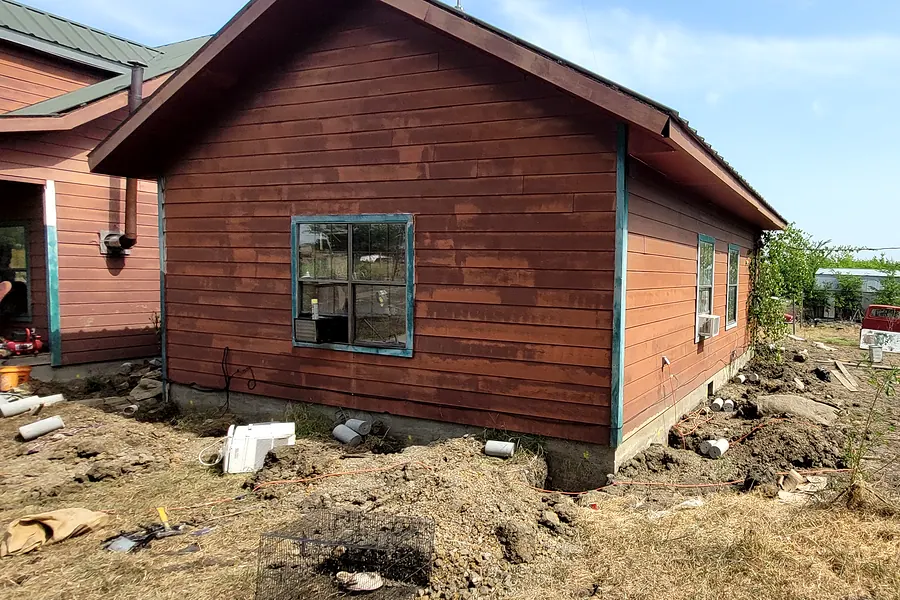
We find out why the crack or peel happened first, then repair the sheetrock, match the texture and paint it so it stays fixed. We serve residential and commercial properties across Dallas-Fort Worth and work alongside insurance carriers when a claim is involved.
Keep learning: Paint & Sheetrock · Identifying Structural Drywall Damage
 Paint & Sheetrock
Exterior Paint Under the Texas Sun: Timing, Products and Prep
Intense UV and summer heat wear exterior paint out faster in North Texas than in most of the country. Here is when to paint in DFW, how heat affects adhesion, why rotted trim has to be repaired first, and the products that last.
6 min readRead article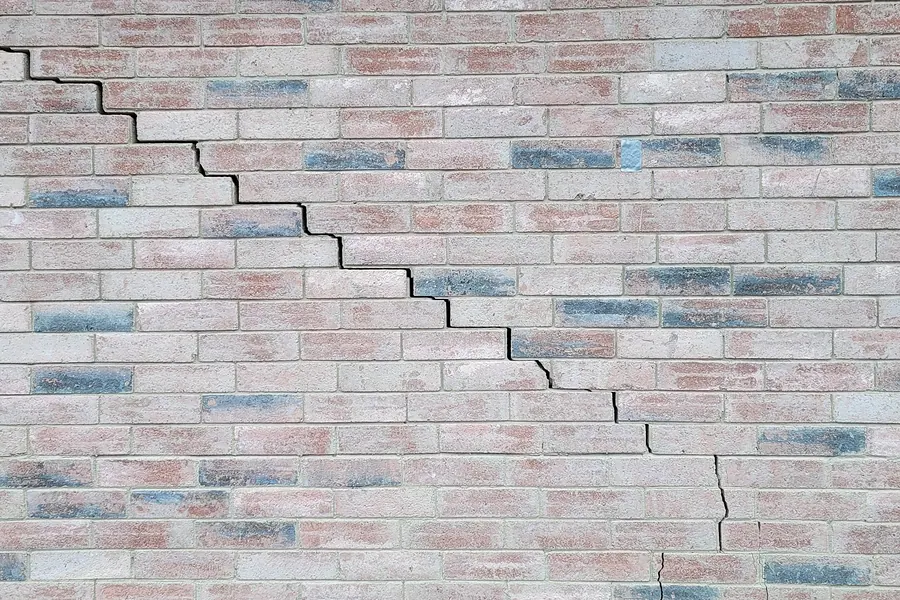 Foundation Repair
Why DFW Homes Crack: The Clay Soil Under Your Slab
The Blackland Prairie clay under Dallas-Fort Worth swells after wet springs and shrinks through dry summers. Here is how that cycle moves your slab, the signs to watch for, and how piers stop it.
8 min readRead article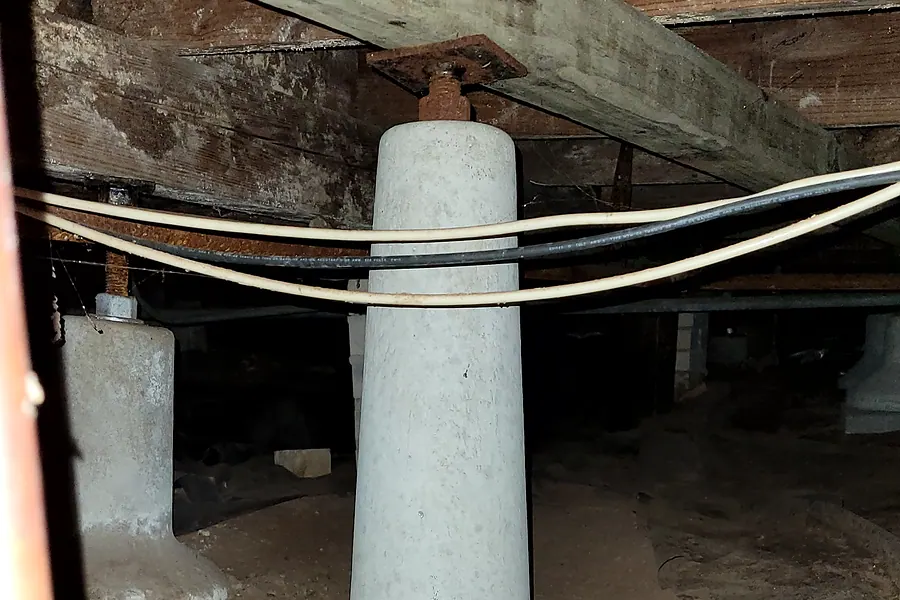 Foundation Repair
Pier-and-Beam Problems in Older DFW Neighborhoods
Older crawl-space homes in East Dallas, Oak Cliff, Fort Worth and historic downtown Garland, McKinney and Wylie have their own set of problems. Sagging floors, rotted sills and crawl-space moisture, and when shims are enough.
7 min readRead article