Pier-and-Beam Problems in Older DFW Neighborhoods
Older crawl-space homes in East Dallas, Oak Cliff, Fort Worth and historic downtown Garland, McKinney and Wylie have their own set of problems. Sagging floors, rotted sills and crawl-space moisture, and when shims are enough.
Short answer
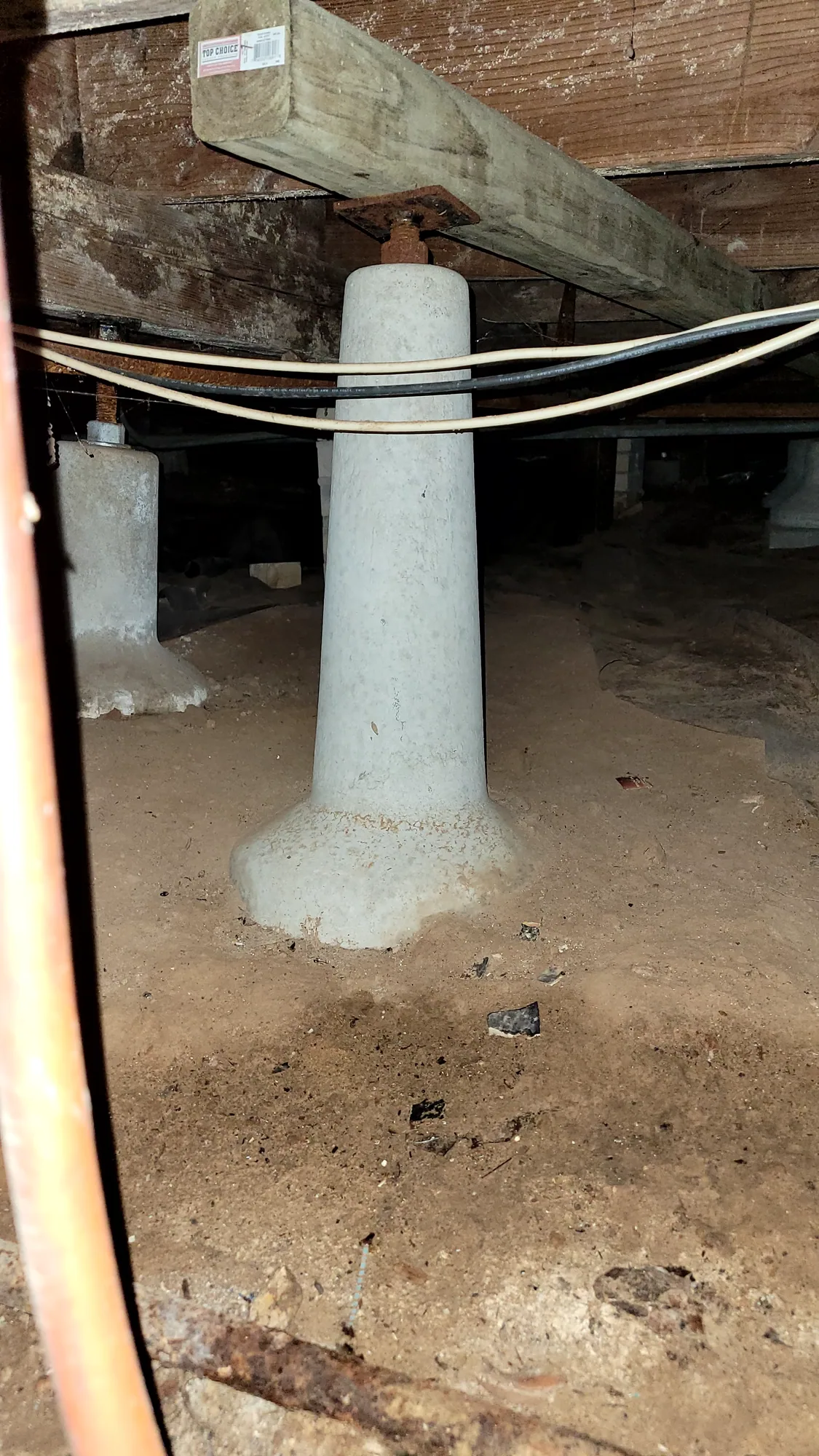
Most pier-and-beam problems in older DFW homes come from three things: piers that have shifted or settled in the clay, wood that has rotted or been cut, and moisture trapped in the crawl space. Bouncy or sagging floors usually mean a beam or joist has lost support. Shims can fix a small gap on a sound pier. Rotted wood, failing piers or long spans need structural repair, which can mean new piers, new beams or sister joists.
Drive through East Dallas, Oak Cliff, the older parts of Fort Worth, or the historic blocks around downtown Garland, McKinney and Wylie, and you will see a lot of houses sitting a couple of feet off the ground. Those are pier-and-beam homes. Instead of resting on a concrete slab, the floor is framed with wood beams and joists that sit on piers, with a crawl space underneath.
Pier-and-beam construction has real advantages. You can get under the house to reach plumbing and wiring, and the floor can be re-leveled without breaking concrete. But many of these homes are 60 to 100 years old, and time, Texas clay and Texas humidity have been working on them the whole time. Here is what usually goes wrong and how it gets fixed.
How a pier-and-beam foundation carries your house
Understanding the parts makes the problems easier to spot:
- Piers: concrete, masonry or, in very old homes, wood or cedar posts set into the ground. They carry the weight down to the soil.
- Beams (girders): heavy timbers that run across the piers.
- Sill plates: the wood that sits on the perimeter foundation wall or grade beam.
- Joists: the smaller framing members that span between beams and carry the subfloor.
Every one of those parts can fail, and a problem in one usually shows up as a floor problem somewhere above it.
Sagging and bouncy floors
This is the most common complaint. You walk across the living room and the china cabinet rattles, or there is a noticeable dip in the hallway. The usual causes are:
- A pier that has settled or tilted. The expansive clay across North Texas moves with the seasons, and a pier sitting on shallow soil moves with it. When a pier drops, the beam above it loses contact and the floor sags. We explain the clay cycle in Why DFW Homes Crack.
- Piers spaced too far apart. Older homes were often built with long spans between supports. Decades of load make the beams and joists deflect.
- Undersized or damaged joists. Joists that were notched for plumbing or ductwork, split, or eaten by insects lose stiffness.
- Old shims that have crushed or rotted. Many older homes were leveled with wood shims stacked on top of piers. Wood compresses and decays, and the floor slowly drops again.
Rotted sill plates and beams
Rot is the problem people do not see until they go under the house. Wood that stays damp for long enough grows fungus and loses strength. The sill plate on the perimeter is especially exposed because it sits closest to the outside soil, and it catches any water that gets past the siding or flows toward the house from poor grading.
Signs of rot include wood that is soft when you press a screwdriver into it, dark staining, crumbling edges and a musty smell. A rotted sill can let the exterior wall settle, which shows up as cracks at windows, doors that bind and gaps between the wall and floor. Termites add to the damage in a lot of older homes, and the two problems often appear together because both are drawn to damp wood.
Worth checking
If a room has both a soft or bouncy floor and cracking at the windows or doors on the exterior wall, check the sill plate on that side first. That combination usually points to perimeter rot or a failing perimeter pier, not just a tired joist.
Crawl-space moisture from Texas humidity
North Texas summers are hot and humid, and a crawl space is a great place for that moisture to collect. Warm, wet outside air comes through the vents and meets the cooler ground and the air-conditioned floor above. Moisture condenses on the wood and ductwork. Add a yard that drains toward the house and you can end up with standing water under the floor after every storm.
Look for:
- Standing water or mud in the crawl space after rain
- Condensation dripping from ductwork or pipes
- Mold or mildew on joists and the underside of the subfloor
- Rusted nails and fasteners
- Cupped hardwood floors, which often come from moisture below
Controlling crawl-space moisture usually starts outside. The ground should slope away from the house, and gutters should discharge well away from the foundation. Inside the crawl space, a vapor barrier over the soil keeps ground moisture from evaporating into the space. Proper ventilation or a sealed crawl-space design handles the humidity. Our drainage and water management work often goes hand in hand with pier-and-beam repair for this reason.
Shimming vs. adding new piers
This is where a lot of homeowners get different answers from different contractors, so it is worth understanding the difference.
| Approach | What it does | When it is the right call |
|---|---|---|
| Shimming | Fills the gap between a pier and the beam with steel or composite shims to bring the floor back up. | The pier is sound and stable, the wood is healthy, and the gap came from minor settlement or crushed old shims. |
| Adding piers | Installs new support points between existing piers to shorten the span. | The floor sags between piers because the span is too long or the beam is overloaded. |
| Replacing piers | Removes a failed pier and installs a new one on a proper footing or driven support. | The pier itself has tilted, cracked, rotted or keeps sinking in the clay. |
| Wood repair | Replaces rotted sills and beams, or sisters new lumber alongside damaged joists. | The support is fine but the framing it carries has lost strength. |
Shims are not a bad repair. They are the right tool when the problem is small and the structure underneath is healthy. The trouble starts when shims are used to hide a pier that keeps moving or wood that is rotting. The floor looks better for a season and then drops again. If your house has been shimmed several times, that pattern is a sign the real cause has not been addressed.
What a proper evaluation looks like
For a pier-and-beam home, we take floor elevation readings throughout the house to map the high and low points, then go into the crawl space. We check every pier we can reach for tilt, cracking and contact with the beam, probe the sills and beams for rot, look at joist spans and condition, and note moisture, standing water and ventilation. The outside walk covers grading and gutters, because water is usually part of the story.
You get the findings documented, with the readings and what we saw under the house. That way you can see why a particular pier needs replacing, where new supports go, and which framing needs repair, instead of taking a number on faith. For background on how we approach any foundation evaluation, read Understanding Foundation Repair.
Older homes, historic districts and renovations
Many of the pier-and-beam homes we see are in established or historic neighborhoods, and a lot of them are in the middle of a renovation. That is a good time to deal with the foundation. Re-leveling after new floors, cabinets and drywall go in can crack the new finishes. If you are planning a remodel in an older Dallas, Fort Worth, Garland, McKinney or Wylie home, get the foundation evaluated first, then do the structural work, then the finishes.
Once the structure is stable, our paint and sheetrock crew can repair the cracks that the movement left behind, so the fix is complete from the crawl space to the ceiling.
When to call
Call if your floors have become noticeably bouncier or more sloped, if doors that used to close now stick, if you see water or mold in the crawl space, or if the house has been shimmed before and the problem came back. Texas Structural Concepts repairs pier-and-beam and slab foundations for homes and commercial buildings across Dallas-Fort Worth. Learn more about our foundation repair service or schedule a free evaluation.
Frequently asked questions
Is pier-and-beam better than a slab in North Texas?
Each has trade-offs. Pier-and-beam homes are easier to re-level and give access to plumbing, but they need crawl-space moisture control and periodic checks. Slabs have no crawl space to maintain but are harder to adjust once they move. A well-maintained pier-and-beam home can perform very well on DFW clay.
How often does a pier-and-beam house need to be re-leveled?
There is no fixed schedule. A house with sound piers, healthy wood and good drainage may go many years without adjustment. A house that needs shimming every year or two usually has a failing pier, rot or a drainage problem that should be fixed at the source.
Can you fix a bouncy floor without replacing piers?
Often, yes. If the piers are sound, adding support points to shorten long spans or sistering weak joists can stiffen the floor. The evaluation tells you whether the piers themselves are part of the problem.
Do I need a vapor barrier in my crawl space?
In most North Texas crawl spaces, a vapor barrier over the soil helps control moisture that would otherwise rise into the framing. It works best alongside good exterior drainage and proper ventilation or a sealed crawl-space design.
Free on-site evaluation
Seeing this at your property?
We start with floor elevation readings and a walk of the drainage, then write a pier plan around what the numbers show. We serve residential and commercial properties across Dallas-Fort Worth and work alongside insurance carriers when a claim is involved.
Keep learning: Foundation Repair · Understanding Foundation Repair
 Foundation Repair
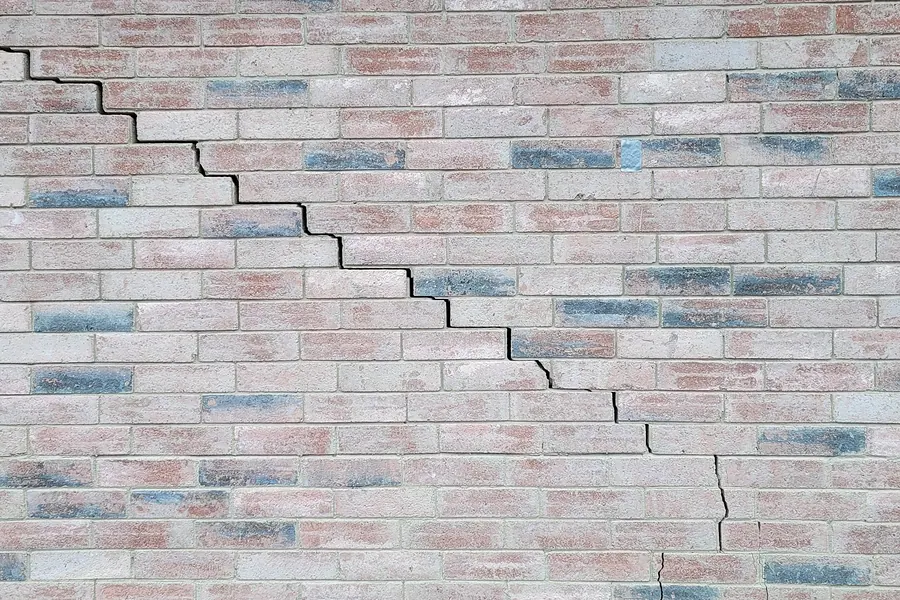
Why DFW Homes Crack: The Clay Soil Under Your Slab
The Blackland Prairie clay under Dallas-Fort Worth swells after wet springs and shrinks through dry summers. Here is how that cycle moves your slab, the signs to watch for, and how piers stop it.
8 min readRead article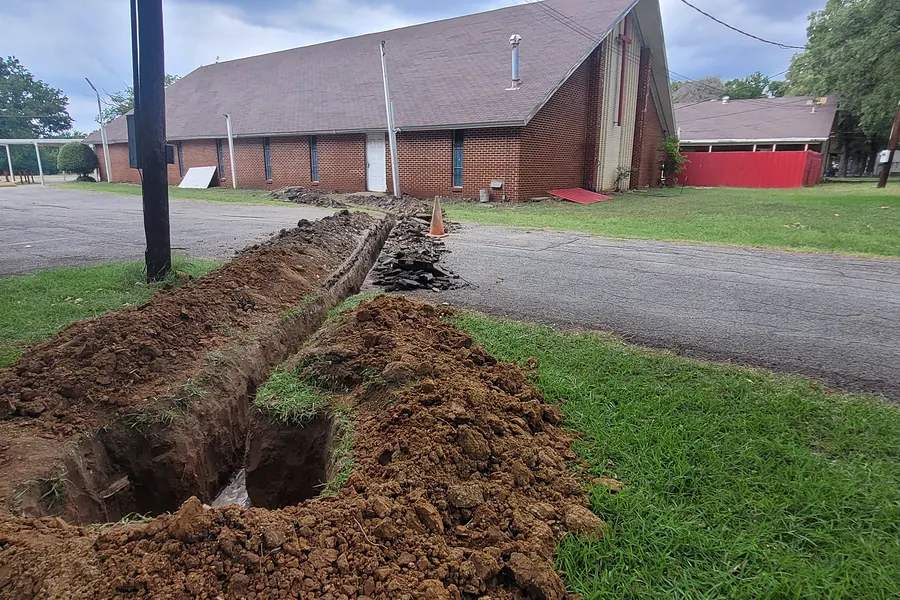 Drainage & Water Management
Standing Water Near Your Slab? How Poor Drainage Feeds Foundation Problems
Water that pools against the foundation soaks the clay on one side of the house and not the other. Here is how grading, gutters, French drains and surface drains keep water moving away, and how drainage protects a foundation repair.
6 min readRead article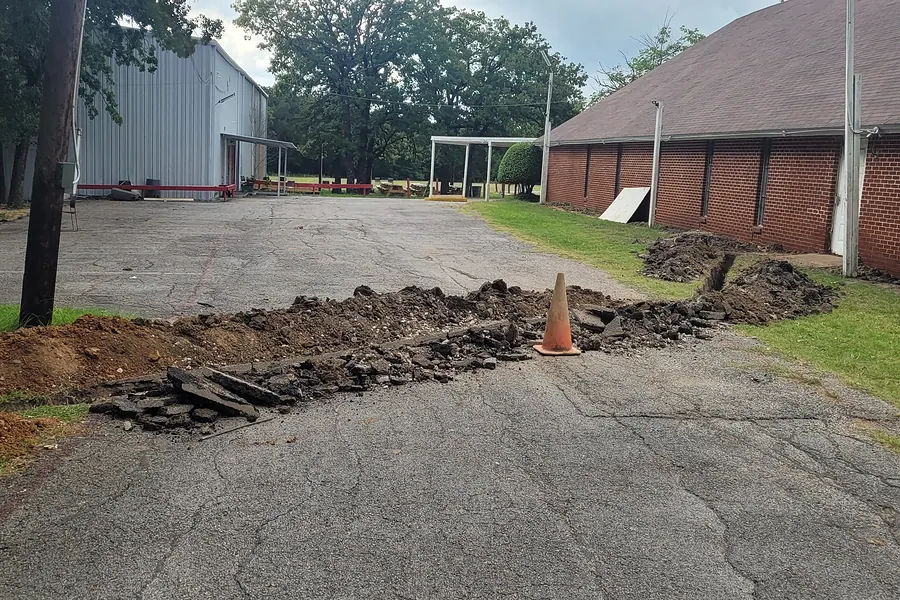 Drainage & Water Management
New Build, Bad Drainage: Yard Problems in Fast-Growing DFW Suburbs
The building boom in Celina, Prosper, Forney, Princeton and similar suburbs has put thousands of new homes on tight lots and fresh backfill. Here is why the grading often fails in the first few years, and what to check before your builder warranty runs out.
6 min readRead article