Standing Water Near Your Slab? How Poor Drainage Feeds Foundation Problems
Water that pools against the foundation soaks the clay on one side of the house and not the other. Here is how grading, gutters, French drains and surface drains keep water moving away, and how drainage protects a foundation repair.
Short answer
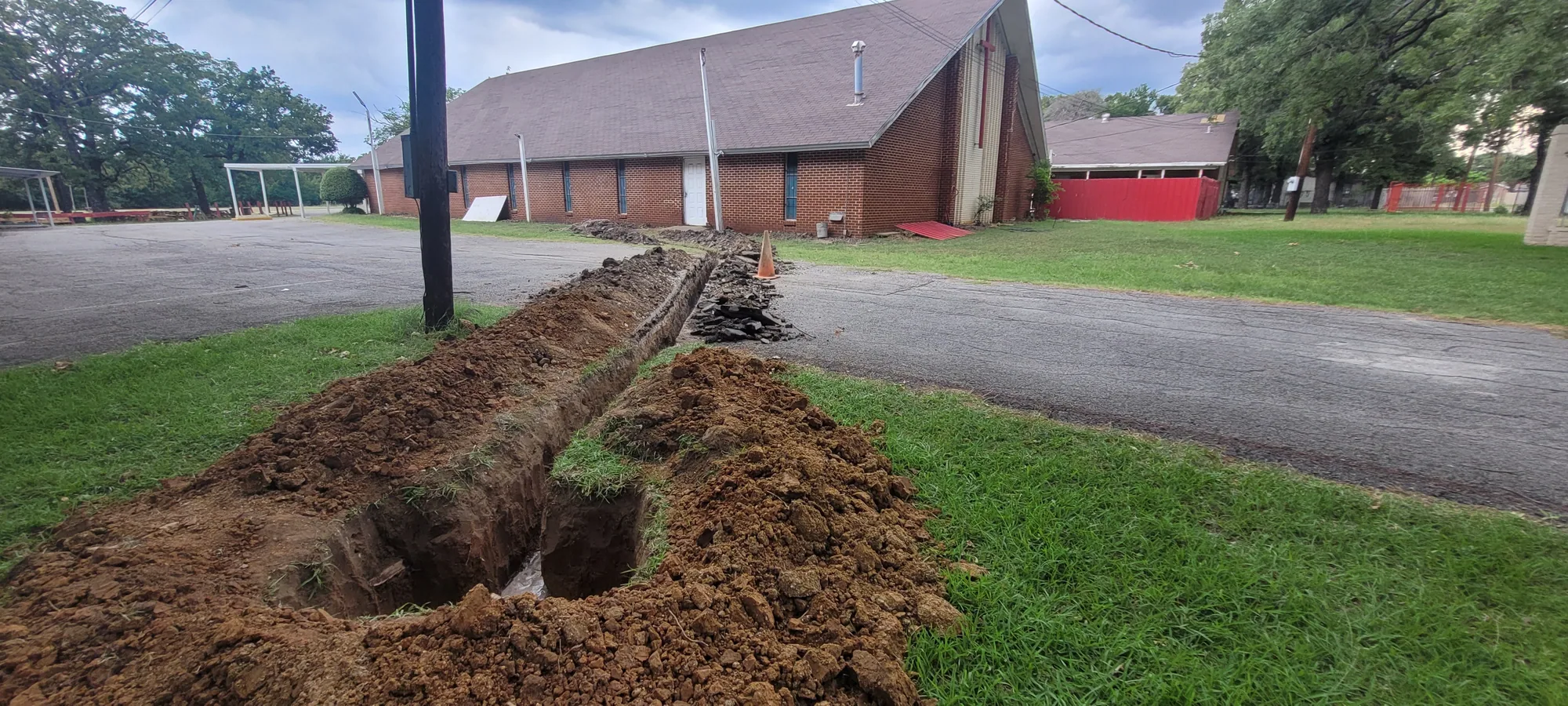
Standing water near your slab makes the clay under that part of the house swell while the rest stays drier, and uneven swelling is what cracks foundations in North Texas. The fix is to move water away: grade the soil so it slopes away from the house, extend downspouts well out or tie them into underground drains, and add surface drains for runoff or French drains for water that soaks into the ground. Good drainage also protects any foundation repair you have already paid for.
After a heavy spring storm in Dallas-Fort Worth, walk around your house. If you see water pooling against the foundation, sitting in flowerbeds along the slab, or running toward the house from the neighbor’s yard, that water is going straight into the clay under your foundation.
Most homeowners think of drainage as a yard problem: soggy grass, mosquitoes, a muddy side yard. In North Texas, it is also one of the biggest causes of foundation movement. This article explains why, and what the fixes look like.
Why water near the slab matters on clay soil
The expansive clay under much of DFW swells when it gets wet and shrinks when it dries. That by itself does not crack a slab. What cracks a slab is uneven moisture: one side of the house soaking up water while another side stays dry. The wet side swells and lifts. The dry side stays put or drops. The slab bends between them.
Pooling water creates exactly that condition. A downspout dumping at one corner, a low spot along one wall, or a flowerbed edged so it holds water all put far more moisture into one part of the foundation than the rest. Over a few seasons, that shows up as cracked brick, sticking doors and sloping floors. We explain the clay cycle in Why DFW Homes Crack.
Step one: grading and slope
The ground next to your house should slope away from the foundation. A common standard in residential building codes is a fall of at least six inches within the first ten feet from the foundation, where the lot allows it. Many older DFW homes have lost that slope over the years because of:
- Flowerbeds built up with soil and mulch against the slab
- Soil that has settled next to the foundation
- Sidewalks, patios or driveways that have settled toward the house
- Landscaping edging that traps water in beds
- Additions and pools that changed how water moves across the lot
Regrading can mean pulling soil away from the slab, bringing in fill to rebuild the slope, and reshaping beds so they shed water. Keep a few inches of the slab exposed above the soil so water and insects are not sitting against the siding or brick.
Step two: gutters and downspouts
A roof sheds a lot of water in a DFW thunderstorm, and gutters concentrate it into a few downspouts. If those downspouts empty right at the foundation, they create the most concentrated wet spots on the property.
- Extensions: the simplest fix is to extend downspouts so they discharge several feet from the house, commonly five to ten feet, onto ground that slopes away.
- Splash blocks help only if the ground beyond them slopes away.
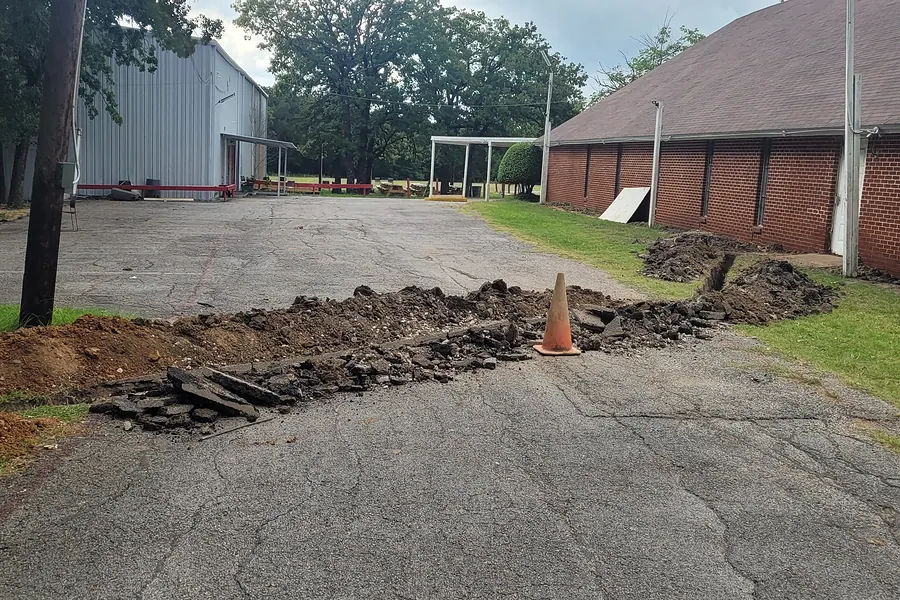
- Underground drain lines: downspouts can connect to buried solid pipe that carries water to the curb, a swale or a pop-up emitter in the yard. This keeps extensions out of the way of mowing and walkways.
- Maintenance: clogged gutters overflow along the full length of the house, soaking the foundation edge. Keep them clean, especially after spring pollen and fall leaves.
French drains vs. surface drains
These two get mixed up constantly, and they solve different problems.
| Surface drain | French drain | |
|---|---|---|
| What it handles | Water running across the surface: roof runoff, low spots, water flowing from a neighbor’s yard. | Water that has soaked into the ground: saturated soil, seepage, high groundwater along a wall. |
| How it works | Catch basins or channel grates collect water at the surface and send it through solid pipe to a discharge point. | A perforated pipe in a gravel-filled trench, usually wrapped in filter fabric, collects subsurface water and carries it away. |
| Typical use in DFW | Downspout tie-ins, side yards between homes, low spots near patios and walkways. | Along a foundation or retaining wall where the soil stays wet, or across a slope that sends groundwater toward the house. |
| Key detail | Solid pipe with enough slope to keep water moving and a clear outlet. | Correct depth and slope, clean gravel, fabric to keep silt out, and a clear outlet. |
Many properties need both. Roof and surface water go into solid pipe, and a French drain handles the ground that stays wet. One mistake we see often is connecting downspouts into a perforated French drain line. That dumps a large volume of roof water into the ground right where you are trying to keep it drier.
Every drain needs somewhere to go
A drain is only as good as its outlet. The water has to leave the property at a lower point, such as the curb, a drainage swale or a properly sized emitter. A drain that ends in the middle of a flat yard just moves the puddle.
Keeping moisture steady in drought
Drainage is about avoiding too much water in one place. In a North Texas drought, the opposite problem shows up: the clay along the foundation dries and shrinks away from the slab. Keeping the soil around the perimeter evenly moist, for example with a soaker hose placed a foot or two from the foundation on a regular schedule, helps prevent that. The goal is steady moisture, not a soaked bed.
How drainage protects a foundation repair
Piers carry the house down to stable soil, but they do not change how water behaves on your lot. If water keeps pooling on one side, the soil under unpiered areas, your flatwork and your patio will keep moving. Drainage problems that caused the original damage can also cause new cracks in areas the repair did not cover.
That is why we look at drainage during every foundation evaluation. Fixing the water often costs less than the next round of foundation work, and it protects the investment you already made.
Signs your drainage needs attention
- Water standing against the foundation more than a few hours after rain
- Soil washed away from the slab edge, or mulch that floats away in storms
- Downspouts that end at the foundation
- Gutters overflowing during heavy rain
- Soggy areas that never dry out between storms
- Water flowing onto your lot from a neighbor’s yard
- Moisture or musty smells in a crawl space
Our guide How to Fix Poor Yard Drainage covers more of the options. If you live in a newer subdivision, also read New Build, Bad Drainage.
Texas Structural Concepts designs and installs grading, surface drains and French drains for homes and commercial properties across Dallas, Fort Worth, Plano, Frisco, McKinney, Allen, Wylie, Sachse, Murphy, Rowlett, Rockwall, Forney and the rest of DFW. Learn more about our drainage and water management service or schedule a free evaluation.
Frequently asked questions
Can standing water cause foundation problems?
Yes, especially on North Texas clay. Water pooling on one side of the house makes the clay there swell while other areas stay drier. That uneven movement bends the slab and causes cracks, sticking doors and sloping floors.
What is the difference between a French drain and a surface drain?
A surface drain collects water running across the ground through grates or catch basins and carries it away in solid pipe. A French drain uses a perforated pipe in a gravel trench to collect water that has soaked into the soil. Many properties use both.
How far should downspouts discharge from the foundation?
A common recommendation is several feet, often five to ten feet, onto ground that slopes away, or into an underground solid drain line that carries water to the curb or another low discharge point.
How much should the ground slope away from my house?
A common residential standard calls for at least six inches of fall within the first ten feet from the foundation, where the lot allows. Lots with limited space may need swales or drains to move water away instead.
Free on-site evaluation
Seeing this at your property?
We map where the water goes after a storm, then fix the grading, drains and downspouts so it leaves the slab alone. We serve residential and commercial properties across Dallas-Fort Worth and work alongside insurance carriers when a claim is involved.
Keep learning: Drainage & Water Management · How to Fix Poor Yard Drainage
 Drainage & Water Management
New Build, Bad Drainage: Yard Problems in Fast-Growing DFW Suburbs
The building boom in Celina, Prosper, Forney, Princeton and similar suburbs has put thousands of new homes on tight lots and fresh backfill. Here is why the grading often fails in the first few years, and what to check before your builder warranty runs out.
6 min readRead article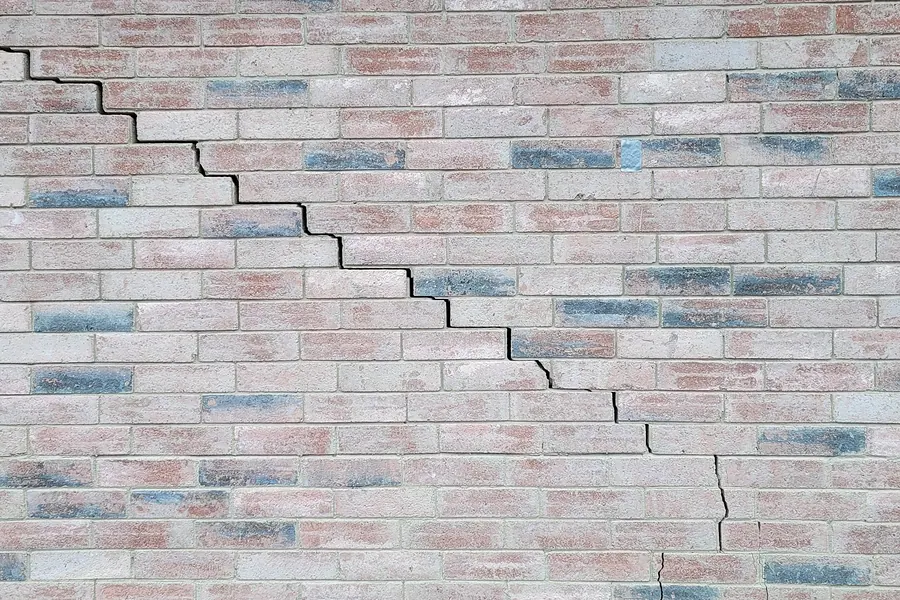 Foundation Repair
Why DFW Homes Crack: The Clay Soil Under Your Slab
The Blackland Prairie clay under Dallas-Fort Worth swells after wet springs and shrinks through dry summers. Here is how that cycle moves your slab, the signs to watch for, and how piers stop it.
8 min readRead article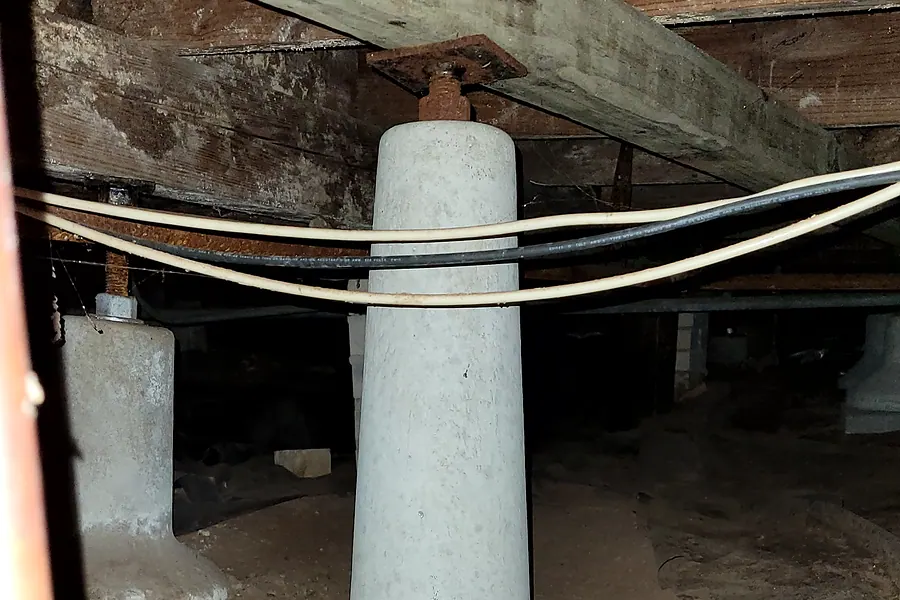 Foundation Repair
Pier-and-Beam Problems in Older DFW Neighborhoods
Older crawl-space homes in East Dallas, Oak Cliff, Fort Worth and historic downtown Garland, McKinney and Wylie have their own set of problems. Sagging floors, rotted sills and crawl-space moisture, and when shims are enough.
7 min readRead article