Exterior Paint Under the Texas Sun: Timing, Products and Prep
Intense UV and summer heat wear exterior paint out faster in North Texas than in most of the country. Here is when to paint in DFW, how heat affects adhesion, why rotted trim has to be repaired first, and the products that last.
Short answer
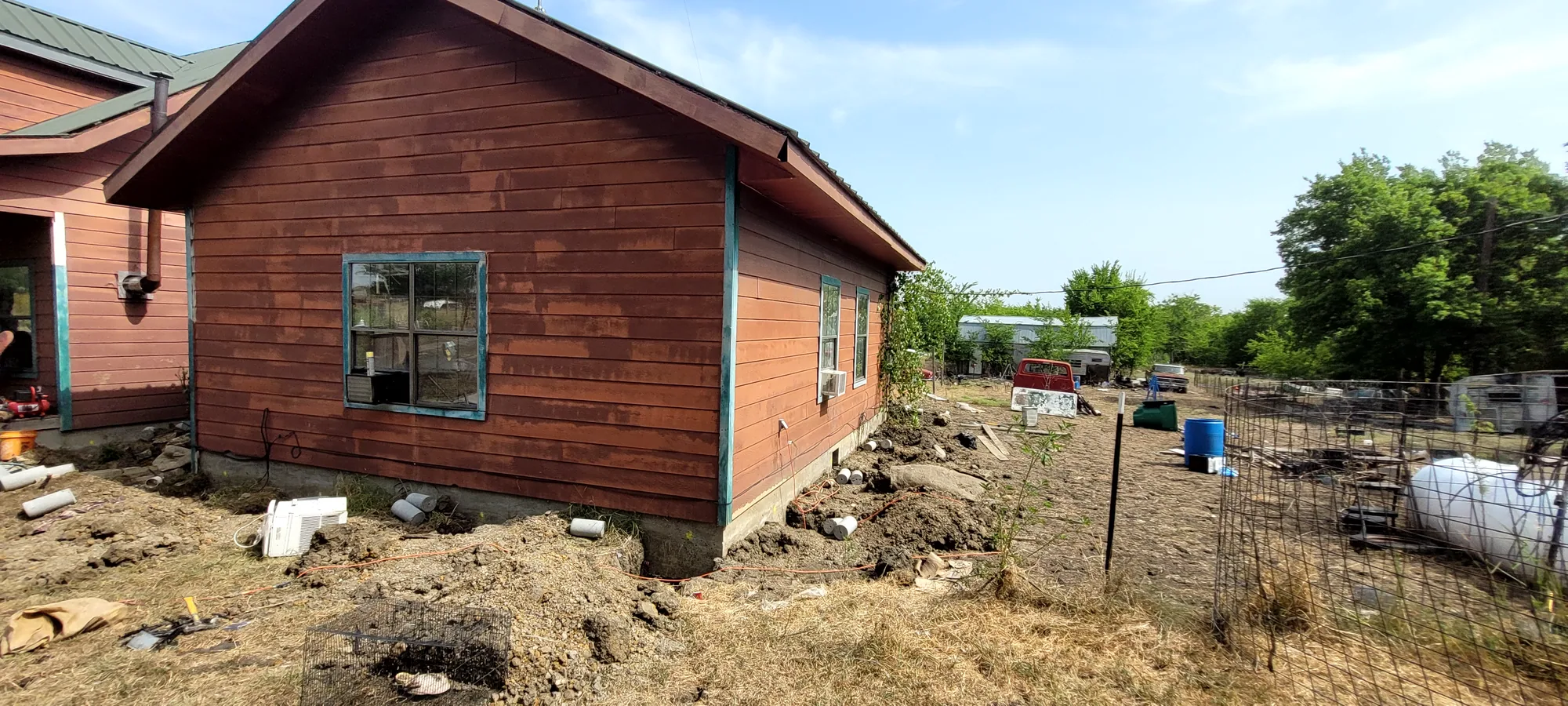
In Dallas-Fort Worth, spring and fall are the best seasons for exterior painting because temperatures, humidity and sun exposure are easiest on fresh paint. Summer painting can work if the crew follows the shade and avoids hot surfaces. A paint job lasts when rotted wood is repaired first, bare wood is primed, surfaces are cleaned and caulked, and a high-quality 100% acrylic exterior paint goes on in two coats.
North Texas is hard on exterior paint. The sun here is intense for most of the year, summer afternoons regularly push past 100 degrees, and the south and west sides of a house bake for hours every day. On top of that, spring storms bring wind-driven rain and hail. Paint that might last a decade in a milder climate can chalk, fade, crack and peel much sooner here if it was not chosen and applied with those conditions in mind.
This article covers timing, prep and product choices for exterior painting in DFW, so the next paint job on your home or building lasts.
How the Texas sun breaks paint down
- UV radiation breaks down the binders in paint. The surface turns chalky, colors fade, and the film loses flexibility.
- Heat cycling expands and contracts siding, trim and the paint film every day. Brittle paint cracks, and cracks let water in.
- Moisture from storms, sprinklers and humidity gets behind cracked paint and into wood. Wood swells, the paint lifts, and rot starts.
- Dark colors run hotter. Dark paint on a west wall absorbs more heat, which can stress the paint and, on some materials like vinyl, warp the substrate.
The south and west sides of the house usually fail first. If you see peeling on those walls and not on the north side, the sun is doing most of the work.
The best seasons to paint in DFW
Spring and fall are the sweet spots in North Texas. Mild days, cooler nights and lower surface temperatures let paint flow, level and cure properly.
- Spring (roughly March to May): excellent temperatures, but plan around storm season. Paint needs a dry window after application. Check the label for how long it needs before rain.
- Fall (roughly late September to November): often the most reliable stretch of the year for exterior painting in DFW, with stable weather and moderate temperatures.
- Summer: doable with care. Crews start early, work the shady side of the house and move around the house with the shade. Painting a sun-baked wall in the afternoon causes problems.
- Winter: possible on mild stretches, but watch the minimum application temperature on the label and overnight lows, and avoid painting when dew will settle on the surface before the paint has set.
How heat affects adhesion
Paint needs time to flow out and bond with the surface before it dries. When the surface is too hot, the water in latex paint evaporates too quickly. The result can be:
- Poor adhesion, because the paint skins over before it bonds
- Lap marks, where overlapping strokes dry at different rates
- Blistering, especially with dark colors in direct sun
- A thin, weak film that fails early
Surface temperature matters more than air temperature. On a 90-degree day, a west-facing wall in full sun can be far hotter than the air. Good crews check the surface, follow the shade, and stay within the temperature range on the product label.
Ask this before you sign
Ask the painter how they plan the day around the sun. The answer should involve which side of the house they paint when. If the plan is to paint straight around the house regardless of the time of day, the south and west walls are going to get the worst of it.
Repair wood rot before painting
Paint does not fix rot. It hides it for a little while. In North Texas the usual trouble spots are:
- Fascia boards and the ends of rafter tails
- Window sills and the bottom of window trim
- Door jambs and the bottom of door frames
- Corner boards and trim near the ground or near sprinklers
- Siding where gutters overflow
Press a screwdriver into suspicious wood. If it sinks in easily or the wood crumbles, it needs to be replaced. Small areas can sometimes be repaired with epoxy consolidants and fillers. Larger areas should be cut out and replaced with new wood or with rot-resistant trim materials. Then find the source of the water, whether it is a gutter, a sprinkler head or a missing drip edge, or the rot will come back.
Prep: where a paint job succeeds or fails
- Clean. Wash off dirt, chalk, mildew and pollen. Paint over a dirty or chalky surface does not bond.
- Scrape and sand loose and peeling paint back to a sound edge.
- Repair rotted wood, damaged siding and trim.
- Prime bare wood and repaired areas with a primer suited to the surface. Some woods need a stain-blocking primer to keep tannins from bleeding through.
- Caulk gaps at trim, corners, windows and doors with a high-quality exterior sealant so water stays out.
- Protect landscaping, windows, hardware and walkways.
- Apply two finish coats at the thickness the manufacturer calls for.
Paint choices that hold up in North Texas
- 100% acrylic exterior latex is the standard for siding and trim here. It stays flexible through heat cycling and resists UV well. Higher product lines generally have better binders and pigments that last longer.
- Lighter colors absorb less heat, fade less visibly and put less stress on the substrate, which matters on west walls.
- Satin or low-sheen finishes are common for siding; semi-gloss is common for trim and doors because it sheds dirt and water.
- Elastomeric coatings can be a good choice for stucco and some masonry, because they stretch to bridge hairline cracks.
- Brick and masonry need breathable masonry coatings or limewash. Sealing moisture into brick can cause spalling.
Paint cracks that are not paint problems
If the paint on your trim is cracking at the same corners of windows and doors every time, or there are stair-step cracks in the brick nearby, the problem may be structural. A house that is moving will crack new paint just like old paint. See Why DFW Homes Crack and Drywall Cracks Above Doors before you repaint around recurring cracks.
Commercial and multifamily exteriors
The same rules apply to retail centers, office buildings and apartment communities, with more surface area and tighter scheduling. We work with property managers on exterior repaint schedules and repairs, and we can sequence the work around tenants and weather.
Texas Structural Concepts handles exterior wood repair and painting for homes and commercial properties across Dallas, Fort Worth, Plano, Frisco, McKinney, Allen, Richardson, Garland, Rockwall, Grapevine and the rest of DFW. Learn more about our paint and sheetrock service or get a free estimate.
Frequently asked questions
What is the best time of year to paint a house exterior in Dallas?
Spring and fall are generally the best seasons in Dallas-Fort Worth because temperatures and surface heat are moderate. Fall is often the most reliable. Summer painting can work if the crew starts early and follows the shade.
How long does exterior paint last in North Texas?
It depends on the product, prep, color and exposure. South- and west-facing walls wear fastest. Good prep, repaired wood, a high-quality 100% acrylic paint and two coats give the longest life.
Can you paint over rotted wood?
You should not. Paint will not stop rot, and it will fail quickly over soft wood. Rotted wood should be repaired or replaced, primed and then painted, and the source of the water fixed.
Is it too hot to paint when it is over 90 degrees?
The surface temperature matters more than the air temperature. Painting a wall in direct afternoon sun can cause poor adhesion and lap marks. Check the product label and paint surfaces while they are in the shade.
Free on-site evaluation
Seeing this at your property?
We find out why the crack or peel happened first, then repair the sheetrock, match the texture and paint it so it stays fixed. We serve residential and commercial properties across Dallas-Fort Worth and work alongside insurance carriers when a claim is involved.
Keep learning: Paint & Sheetrock · Identifying Structural Drywall Damage
 Paint & Sheetrock
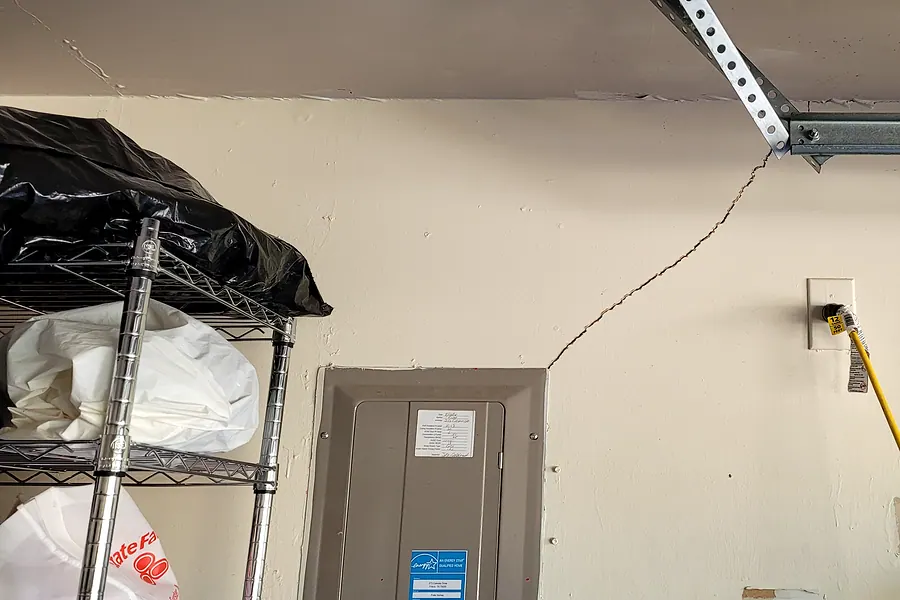
Drywall Cracks Above Doors: Cosmetic or a Foundation Warning?
It is one of the most common questions North Texas homeowners ask. Here is how to read diagonal cracks at door corners, nail pops and ceiling cracks, when to get a foundation evaluation first, and why patching a moving wall brings the crack right back.
7 min readRead article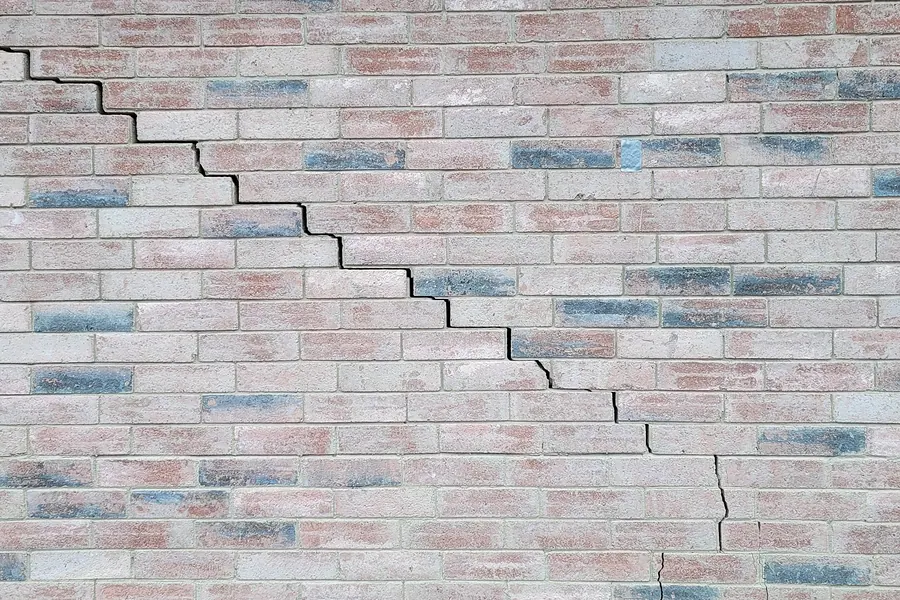 Foundation Repair
Why DFW Homes Crack: The Clay Soil Under Your Slab
The Blackland Prairie clay under Dallas-Fort Worth swells after wet springs and shrinks through dry summers. Here is how that cycle moves your slab, the signs to watch for, and how piers stop it.
8 min readRead article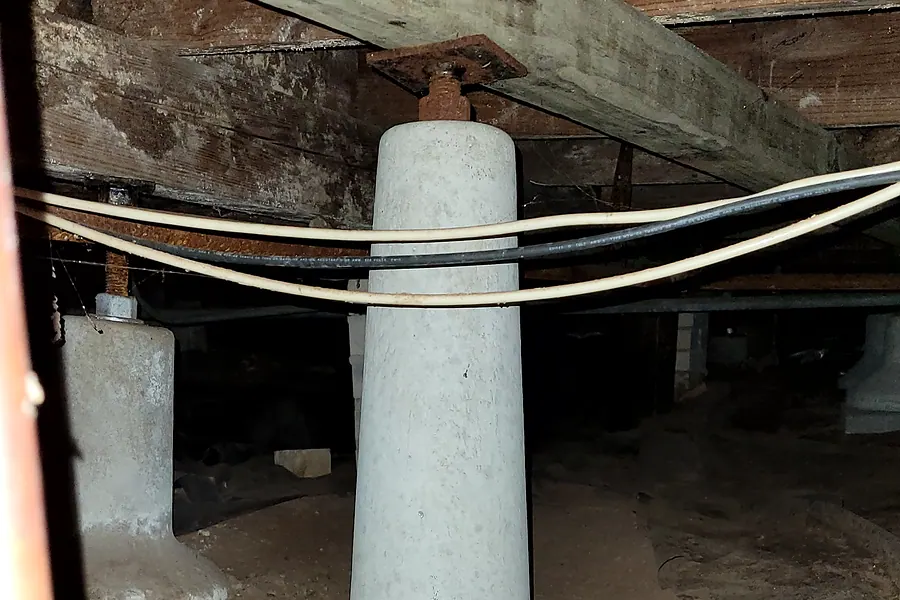 Foundation Repair
Pier-and-Beam Problems in Older DFW Neighborhoods
Older crawl-space homes in East Dallas, Oak Cliff, Fort Worth and historic downtown Garland, McKinney and Wylie have their own set of problems. Sagging floors, rotted sills and crawl-space moisture, and when shims are enough.
7 min readRead article