Slab Leaks: When Your Foundation and Your Plumbing Fail Together
On North Texas clay, the foundation can stress the plumbing under the slab, and a leak under the slab can move the foundation. Here are the signs of a slab leak, how to check your meter, and how the repair, drying and rebuild should happen.
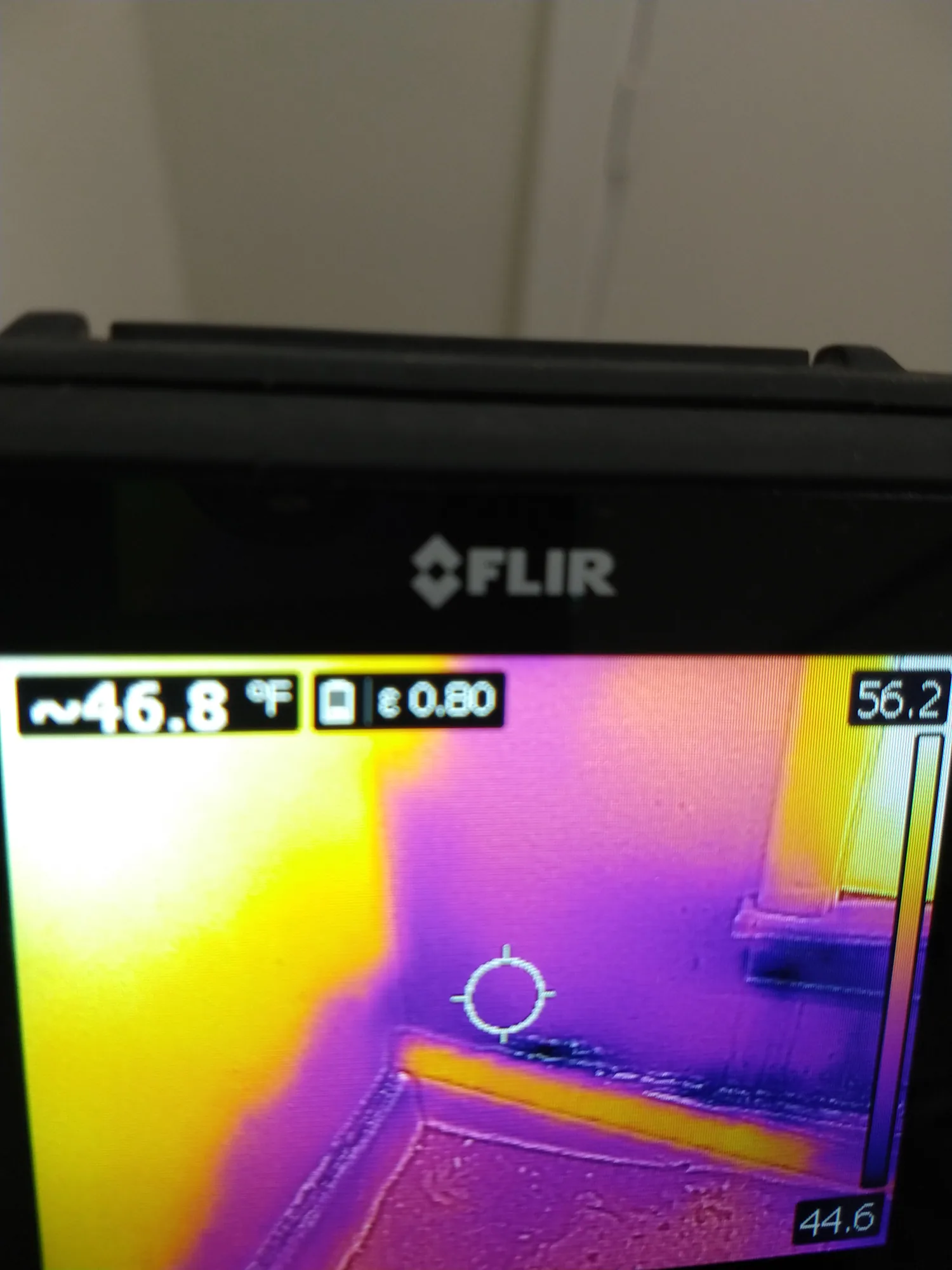
Short answer
A slab leak is a leak in a water or drain line under or inside your concrete foundation. Common signs are warm spots on the floor, a water bill that jumps for no reason, damp carpet or flooring with no visible source, and the sound of running water when everything is off. In North Texas the leak and the foundation affect each other: clay movement can stress pipes, and leaking water can swell or wash out the soil and move the slab. The fix is leak detection and plumbing repair, then drying, then a foundation check and the rebuild.
Most homes in Dallas-Fort Worth are built on concrete slabs, with the water supply and drain lines running underneath or embedded in the concrete. When one of those lines leaks, you cannot see it. The water goes into the soil under the house or wicks up into the flooring and walls, and it can go on for weeks before anyone notices.
On the expansive clay that runs under much of the Metroplex, a slab leak is more than a plumbing problem. It can become a foundation problem, and a foundation problem can cause the next leak. This article explains how that happens and how to handle it in the right order.
Signs you may have a slab leak
- Warm or hot spots on the floor, especially on tile or concrete. A leaking hot water line heats the slab above it.
- A water bill that jumps without a change in how you use water.
- Damp carpet, swollen baseboards or loose flooring with no leak you can find.
- The sound of running water when every faucet and appliance is off.
- A musty smell or mildew along the base of walls.
- Low water pressure or a water heater that runs constantly.
- New cracks in the floor or walls, or doors that start sticking, near one area of the house.
- Water pooling outside near the foundation when it has not rained.
A simple meter check
Turn off every faucet, appliance, ice maker and irrigation zone. Find your water meter and look at the leak indicator, a small triangle or dial on many meters, or note the reading. Wait at least 30 minutes without using any water and check again. If the indicator is spinning or the reading changed, water is going somewhere. A plumber can then pressure test the lines and use leak detection equipment to find it.
How clay movement and plumbing damage each other
The Blackland Prairie clay under much of DFW swells when wet and shrinks when dry. We cover that cycle in Why DFW Homes Crack. Here is how it connects to your plumbing:
Foundation movement stresses the pipes
When the slab moves unevenly, pipes embedded in it or running under it get bent, pulled and pinched. Joints and fittings are the weak points. Older homes with cast iron drain lines or aging supply lines are especially vulnerable, and a moving foundation can be what finally breaks a pipe that was already near the end of its life.
The leak moves the foundation
Now reverse it. Water leaking from a supply line soaks the clay under one part of the house. That clay swells and pushes the slab up in that spot. This is called heave, and it can look a lot like settlement when you are standing in the room, with cracks, sloping floors and sticking doors. A leak in a drain line can do the opposite in sandier or looser fill, washing soil out and leaving a void under the slab.
Why the order matters
If a slab leak has caused heave, lifting the foundation before fixing the leak is the wrong move. The source has to be found and repaired first, and the soil given time to stabilize. Then the foundation can be evaluated with readings that reflect where it will actually settle.
The mitigation-to-rebuild process
1. Find and fix the leak
A licensed plumber locates the leak with pressure testing and electronic or acoustic detection, then repairs it. Options include a spot repair through the slab, rerouting the line through the walls or attic, or repiping, depending on the age and condition of the system.
2. Assess and document the water damage
We map how far the water traveled with moisture meters and thermal imaging, including walls, baseboards and cabinets near the leak. Readings are documented for your records and your insurance carrier.
3. Dry the structure
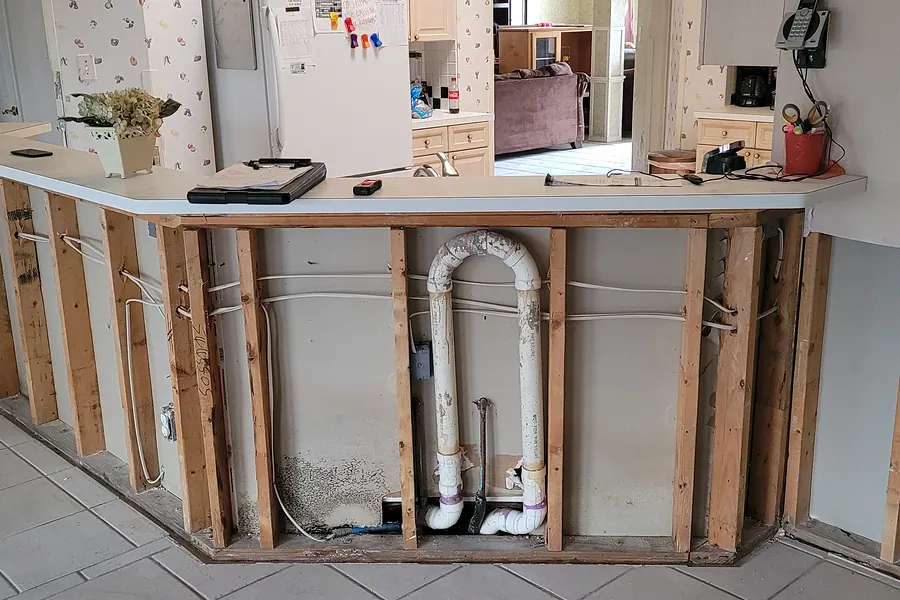
Wet sheetrock, baseboards and framing are dried with air movers and dehumidifiers until readings return to dry standard. Materials that cannot be saved are removed. Our guide The Water Damage Mitigation Process explains each step.
4. Evaluate the foundation
Once the leak is fixed and the area is dry, a floor elevation survey shows whether the slab moved and how much. Some houses need nothing more than monitoring as the soil settles back. Others need piers to restore support. Our foundation repair team handles this step in the same project, so you are not coordinating separate companies.
5. Rebuild
Last comes the rebuild of the sheetrock, texture and paint. Doing it after the foundation work means the new finishes are not cracked by lifting or settling a few weeks later.
Insurance and slab leaks
Slab leak coverage varies a lot between policies. Some cover the cost of accessing the pipe and the resulting water damage but not the pipe repair itself. Some have limits specific to slab leaks. Foundation movement is often treated differently from water damage. Read your policy and ask your agent, and keep:
- The plumber’s leak detection report and invoice
- Photos of the damage before any work
- Moisture readings and a drying log
- Foundation evaluation findings, if the slab moved
We work alongside insurance carriers on residential and commercial claims and provide documentation of what we found and what we did.
Protecting your plumbing and your slab
- Keep soil moisture around the foundation steady through droughts
- Fix drainage that sends water toward the house. See Standing Water Near Your Slab?
- Check your meter a couple of times a year and after any big foundation movement
- Know where your main shutoff is
- Have older plumbing inspected before buying an older home or starting a remodel
Texas Structural Concepts handles slab leak water damage, drying, foundation evaluation and repair, and the rebuild for homes and commercial buildings across Dallas, Fort Worth, Plano, Frisco, McKinney, Allen, Garland, Mesquite, Grand Prairie, Irving and the rest of DFW. Learn more about our water restoration service or schedule a free assessment.
Frequently asked questions
What are the most common signs of a slab leak?
Warm spots on the floor, an unexplained jump in the water bill, damp flooring with no visible source, the sound of running water when everything is off, and new cracks or mildew near one area of the house.
Can a slab leak cause foundation problems?
Yes. On expansive clay, leaking water can make the soil swell and push part of the slab up, which is called heave. In some soils a leak can also wash soil out and leave a void. Either one can crack floors and walls.
Should the foundation be repaired before or after fixing a slab leak?
After. The leak should be found and repaired first, and the area dried, so the foundation evaluation reflects stable conditions. Lifting a slab that is heaving from a leak can make the problem worse.
How do plumbers find a leak under a slab?
Plumbers typically pressure test the lines to confirm a leak, then use electronic or acoustic listening equipment and sometimes thermal imaging to pinpoint where it is under the concrete.
Free on-site evaluation
Seeing this at your property?
We document the moisture, dry the structure to verified readings, and rebuild the sheetrock, texture and paint, with records your carrier can use. We serve residential and commercial properties across Dallas-Fort Worth and work alongside insurance carriers when a claim is involved.
Keep learning: Water Restoration · The Water Damage Mitigation Process
 Water Restoration
Frozen Pipes in DFW: Lessons From Winter Storm Uri
In February 2021, Winter Storm Uri froze pipes across North Texas, many of them running through attics. Here is how to prepare for the next hard freeze, what to do in the first 24 to 48 hours after a burst, and how drying and documentation should work.
6 min readRead article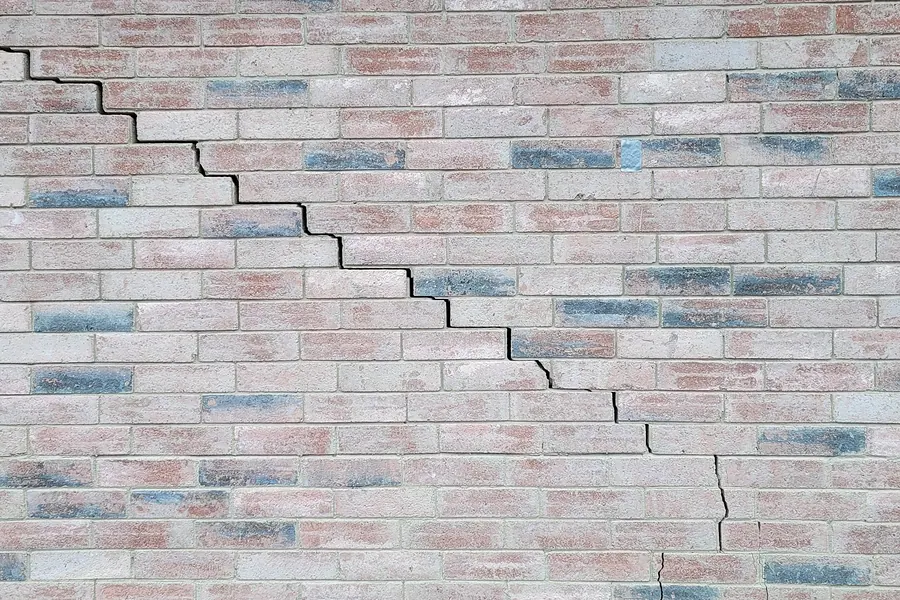 Foundation Repair
Why DFW Homes Crack: The Clay Soil Under Your Slab
The Blackland Prairie clay under Dallas-Fort Worth swells after wet springs and shrinks through dry summers. Here is how that cycle moves your slab, the signs to watch for, and how piers stop it.
8 min readRead article Foundation Repair
Pier-and-Beam Problems in Older DFW Neighborhoods
Older crawl-space homes in East Dallas, Oak Cliff, Fort Worth and historic downtown Garland, McKinney and Wylie have their own set of problems. Sagging floors, rotted sills and crawl-space moisture, and when shims are enough.
7 min readRead article