Hail Season in North Texas: What to Do When a Storm Breaks Your Windows
Dallas-Fort Worth sits in one of the most hail-prone parts of the country. Here is what to do in the first hours after a storm breaks your windows, what to document for the claim, and the hidden damage adjusters and homeowners often miss.
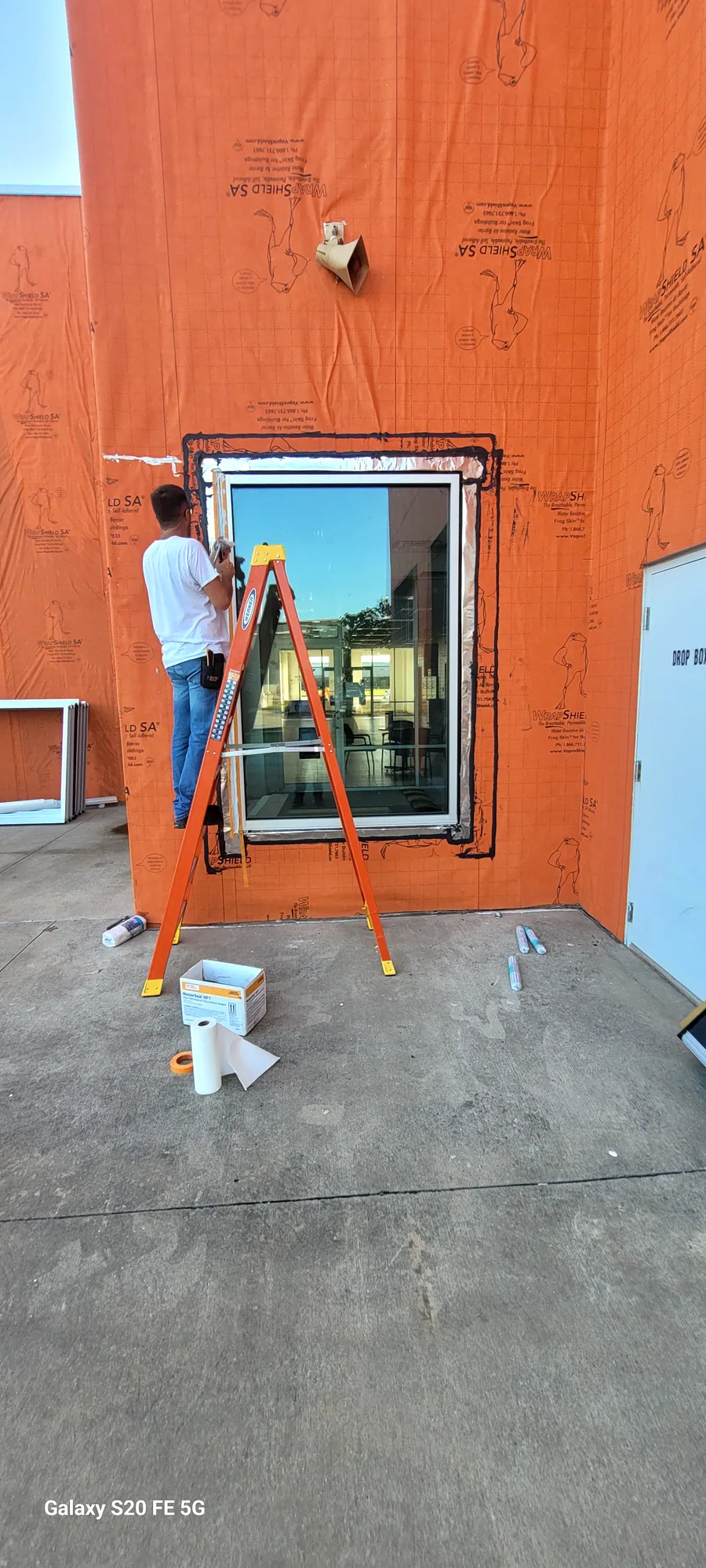
Short answer
After hail breaks a window: stay clear of the glass, cover or board the opening once the storm has passed, and photograph everything before you clean up. Then check the rest of the house for damage that is easy to miss, like cracked seals, fogged panes, dented frames and torn screens. Report the claim to your carrier promptly and get a written scope for the replacement. Good documentation is what gets a claim handled cleanly.
Anyone who has lived in Dallas-Fort Worth for a few springs knows the sound. North Texas sits in one of the most hail-prone regions in the United States, and the Metroplex has taken some of the most expensive hailstorms on record. Wylie residents still talk about the April 2016 storm that dropped hail the size of softballs across the city and damaged a huge share of its homes. Plano, Frisco, McKinney, Garland, Rockwall and Fort Worth have all had their turn.
Roofs get most of the attention after a storm, but windows take a beating too. This article walks through what to do right after the hail stops, how to document the damage for insurance, and what hidden window damage to look for before the adjuster leaves.
First hours: make it safe and secure
- Stay away from the windows until the storm passes. Hail often comes with high wind, and a cracked pane can fail without warning.
- Keep people and pets out of rooms with broken glass. Glass fragments travel much farther across a floor than you would expect.
- Photograph before you clean. Take wide shots of each damaged window from inside and outside, then close-ups. Include the hail on the ground next to something for scale, like a coin or a tape measure, if you can do it safely.
- Cover the opening. Once it is safe, tape heavy plastic over the inside and board the outside with plywood if you can do it safely, or have a contractor do it. This keeps rain and animals out and prevents water damage to walls and floors.
- Save receipts for plywood, plastic, tarps and anything you buy to protect the house. Reasonable emergency protection costs are often part of the claim.
Water gets in fast
A broken window during a spring storm can let a surprising amount of rain into the wall cavity and flooring. If water got in, dry it quickly. Wet sheetrock and insulation can start growing mold within a couple of days. Our water restoration team documents moisture readings and dries the structure properly.
What to photograph for the insurance claim
Adjusters are busy after a big storm, and a clear record makes the claim easier to review. Build a folder with:
- Every broken, cracked or chipped pane, with close-ups
- Dented or split window frames, sills and trim
- Torn or bent screens (screens are often damaged when the glass is not)
- Damage to the same side of the house, like siding, gutters and fences, which helps show the direction and size of the hail
- Interior damage from water or glass
- The date, and a note of the storm time if you know it
Report the claim promptly. Most policies have deadlines and duties after a loss, and waiting makes it harder to connect the damage to a specific storm. Your policy language decides what is covered, so read it or ask your agent.
Hidden window damage that is easy to miss
A shattered pane is obvious. These are not, and they are often left off the first inspection:
Cracked or failed seals
Hail impacts can break the seal around a double-pane insulated glass unit without breaking the glass. The unit loses its gas fill and starts letting moisture in.
Fogged panes
A window that starts fogging between the panes weeks after a storm usually has a failed seal. Check again a few weeks after the storm and on cool mornings, when condensation shows up most.
Dented or cracked frames
Aluminum frames dent and vinyl frames can crack or split, especially on the side of the house that faced the storm. A damaged frame may not seal or lock properly anymore.
Chips and star cracks
Small chips and star-shaped cracks can spread with heat and cold. In a Texas summer, the temperature swing on sunny glass is big enough to turn a small chip into a full crack.
Damaged glazing, weatherstripping and caulk
Hail can tear the rubber and sealant that keep water out. The window may look fine and still leak at the next heavy rain.
Repair or replace?
It depends on what failed. A single cracked pane in a sound frame can often be reglazed or have the insulated glass unit replaced. When frames are dented, seals have failed on several units, or the windows are older single-pane units, full replacement is usually the better value. If you are replacing anyway, it is a good time to upgrade to Low-E glass rated for the Texas sun. We explain what those ratings mean in Still Have Single-Pane Windows?
You can also ask about laminated glass. It holds together when struck instead of shattering into the room, which adds protection during hail season.
How TXSC works with your insurance carrier
Claims are settled between you and your carrier. Our part is making sure the damage is documented clearly and the scope is accurate. For hail-damaged windows we:
- Inspect every window on the property, not just the obviously broken ones
- Photograph and document the damage, including seals, frames and screens
- Provide a written, itemized scope for repair or replacement that you can share with your adjuster
- Coordinate with the adjuster on site when that is helpful
- Replace the windows and check the openings for water damage while they are open
We work on both residential and commercial properties, including storefronts and office windows, and we serve property managers handling claims across several buildings. For a broader look at claim documentation, see our resources page section on what to document before you file.
Before the next storm
- Know where your policy documents are and what your deductible is
- Take dated photos of your windows and the exterior now, so you have a before record
- Replace failing windows before hail season, when schedules are lighter
- Consider laminated glass for large or exposed windows
Texas Structural Concepts repairs and replaces hail-damaged windows and glass across Dallas, Fort Worth, Plano, Frisco, McKinney, Allen, Wylie, Sachse, Murphy, Rowlett, Rockwall and the rest of DFW. Learn more about our window and glass service or schedule a free inspection.
Frequently asked questions
Does homeowners insurance cover hail-damaged windows?
Many homeowners policies cover sudden storm damage such as hail, but coverage, deductibles and conditions depend on your specific policy. Check your policy or ask your agent, and report the damage promptly.
How long do I have to file a hail claim in Texas?
Deadlines depend on your policy, and some policies set specific time limits for reporting storm damage. File as soon as you reasonably can after the storm so the damage is clearly tied to the event.
Why are my windows fogging weeks after a hailstorm?
Hail can break the seal of a double-pane unit without cracking the glass. Once the seal fails, moist air gets between the panes and condenses. That is storm damage worth documenting and adding to your claim.
Can a single broken pane be replaced without replacing the whole window?
Often, yes. If the frame and sash are sound, the glass or insulated glass unit can usually be replaced on its own. If the frame is dented or several seals have failed, full window replacement is usually the better option.
Free on-site evaluation
Seeing this at your property?
We replace failed and outdated windows with glass rated for the Texas sun, for homes and commercial buildings. We serve residential and commercial properties across Dallas-Fort Worth and work alongside insurance carriers when a claim is involved.
Keep learning: Window & Glass · Signs It Is Time to Replace Your Windows
 Window & Glass
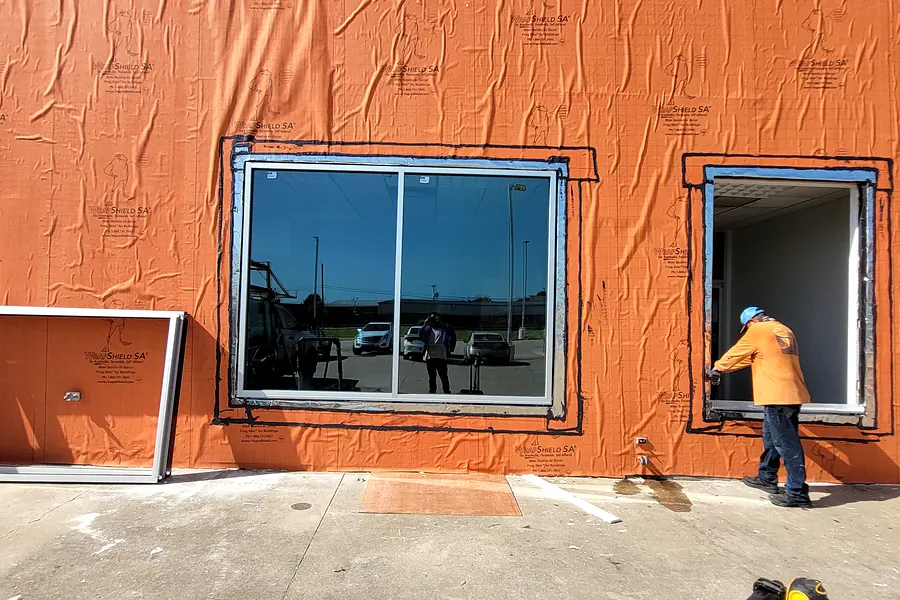
Still Have Single-Pane Windows? What They Are Costing You in a Texas Summer
Many DFW homes built from the 1970s to the 1990s still have aluminum single-pane or early double-pane windows. Here is how much heat they let in, what Low-E and solar heat gain ratings mean, and what to look for in a replacement.
6 min readRead article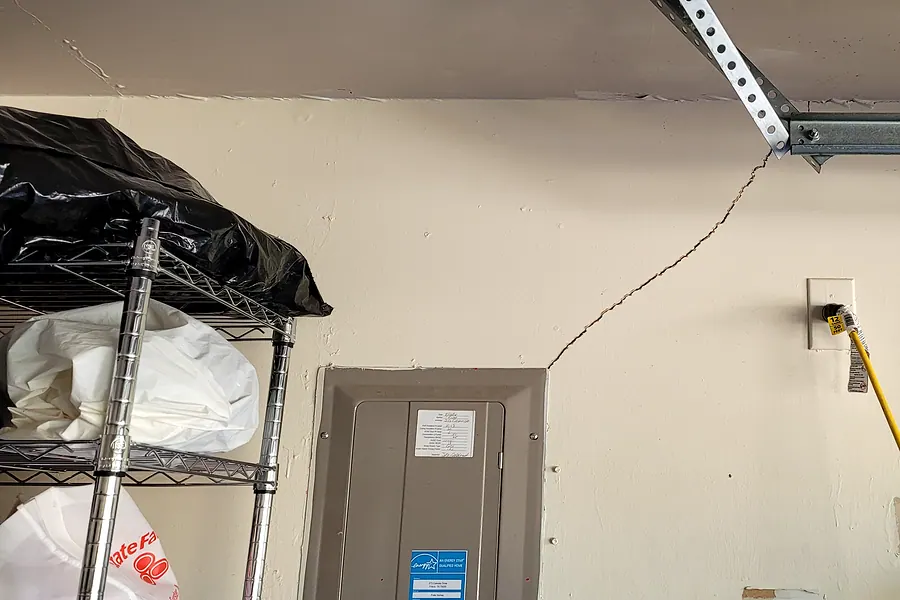 Paint & Sheetrock
Drywall Cracks Above Doors: Cosmetic or a Foundation Warning?
It is one of the most common questions North Texas homeowners ask. Here is how to read diagonal cracks at door corners, nail pops and ceiling cracks, when to get a foundation evaluation first, and why patching a moving wall brings the crack right back.
7 min readRead article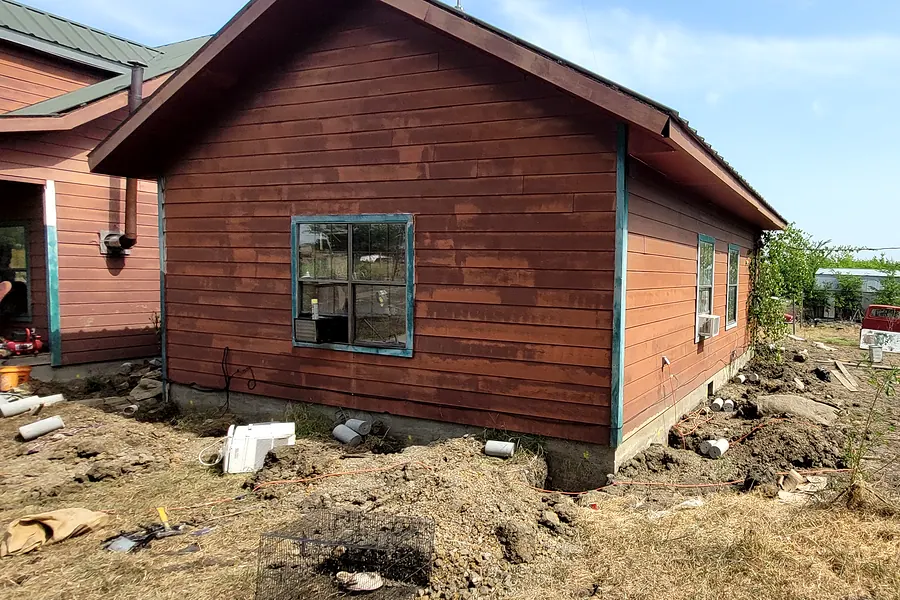 Paint & Sheetrock
Exterior Paint Under the Texas Sun: Timing, Products and Prep
Intense UV and summer heat wear exterior paint out faster in North Texas than in most of the country. Here is when to paint in DFW, how heat affects adhesion, why rotted trim has to be repaired first, and the products that last.
6 min readRead article