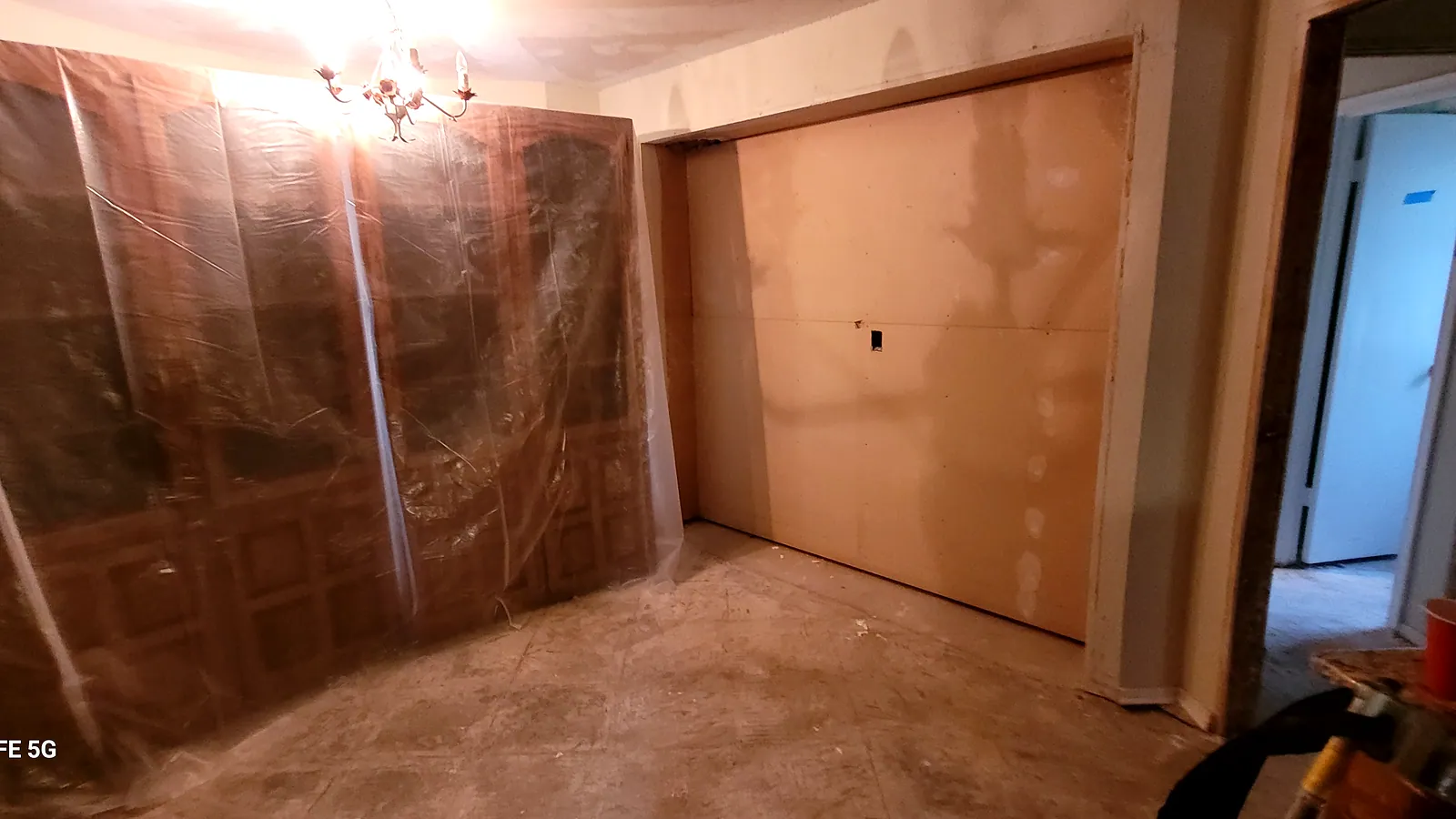
Water Damage Restoration Support
When water gets into a home the damage keeps going after the water is gone. We assess what got wet, help dry the structure rather than just the surfaces, and handle the repairs that follow.
Work Included Under Water Restoration
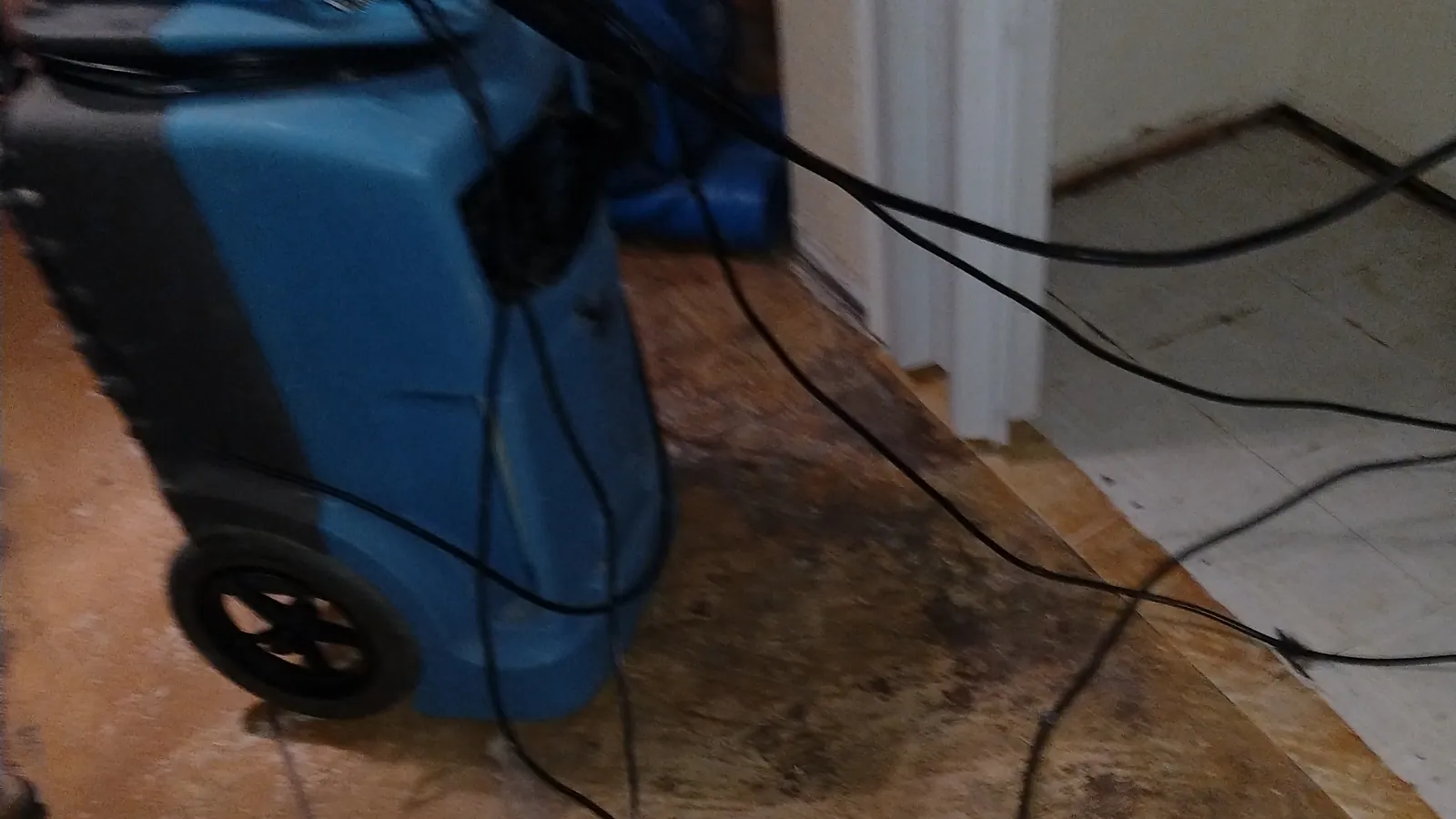
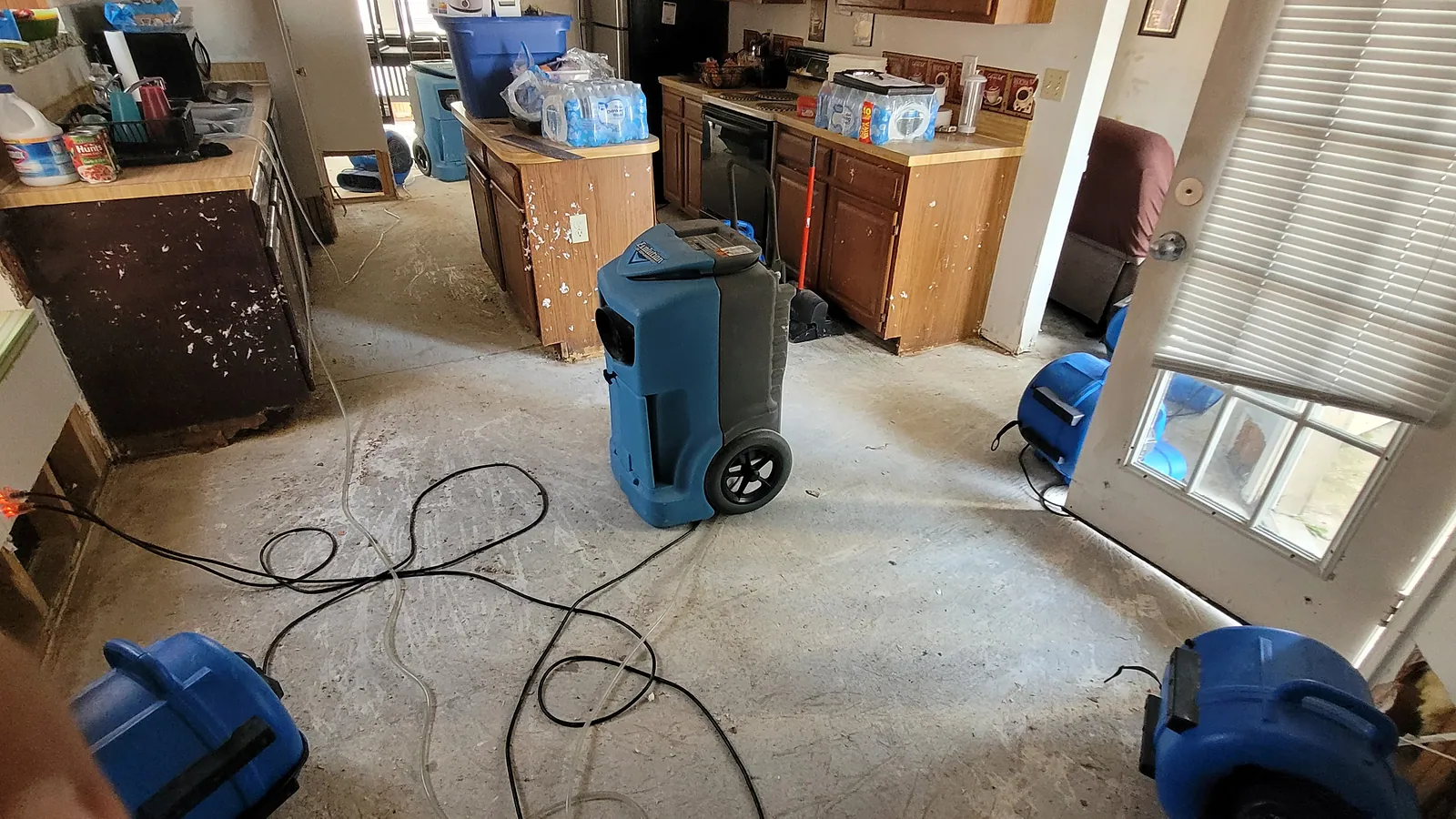
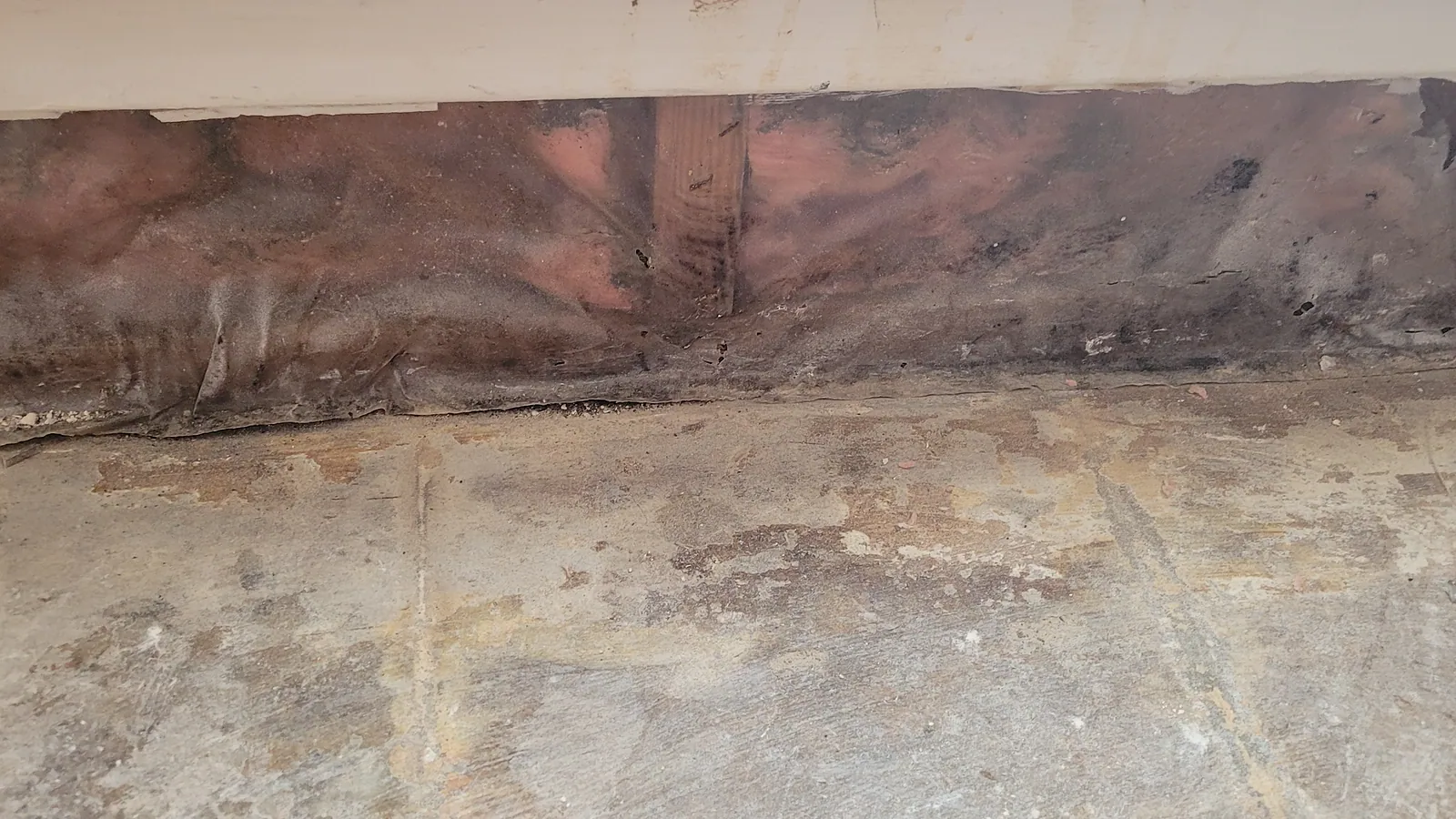
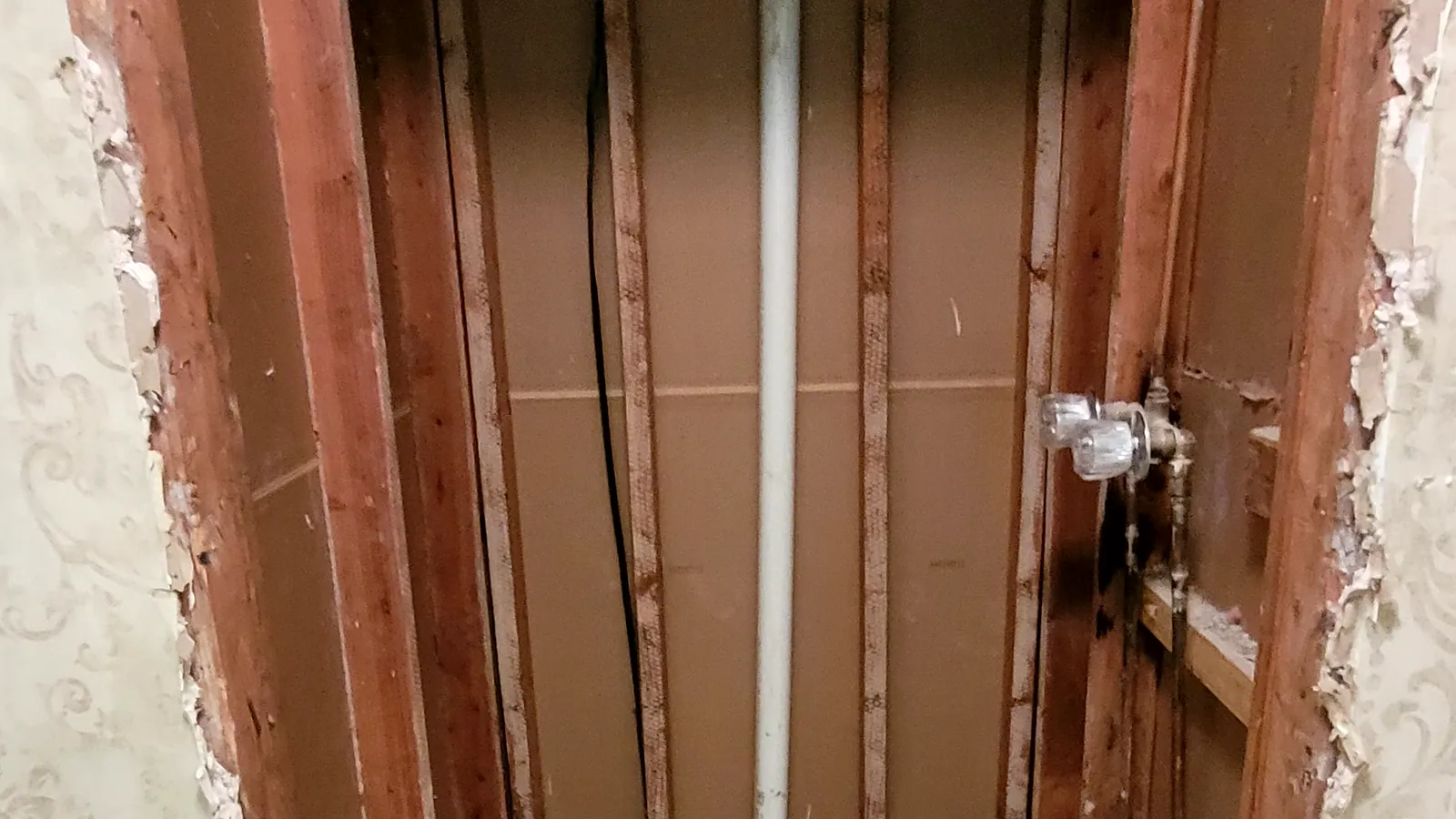
Drying a house is about what you cannot see. Framing, subfloor and wall cavities hold moisture long after the carpet feels dry.
Water Damage Assessment
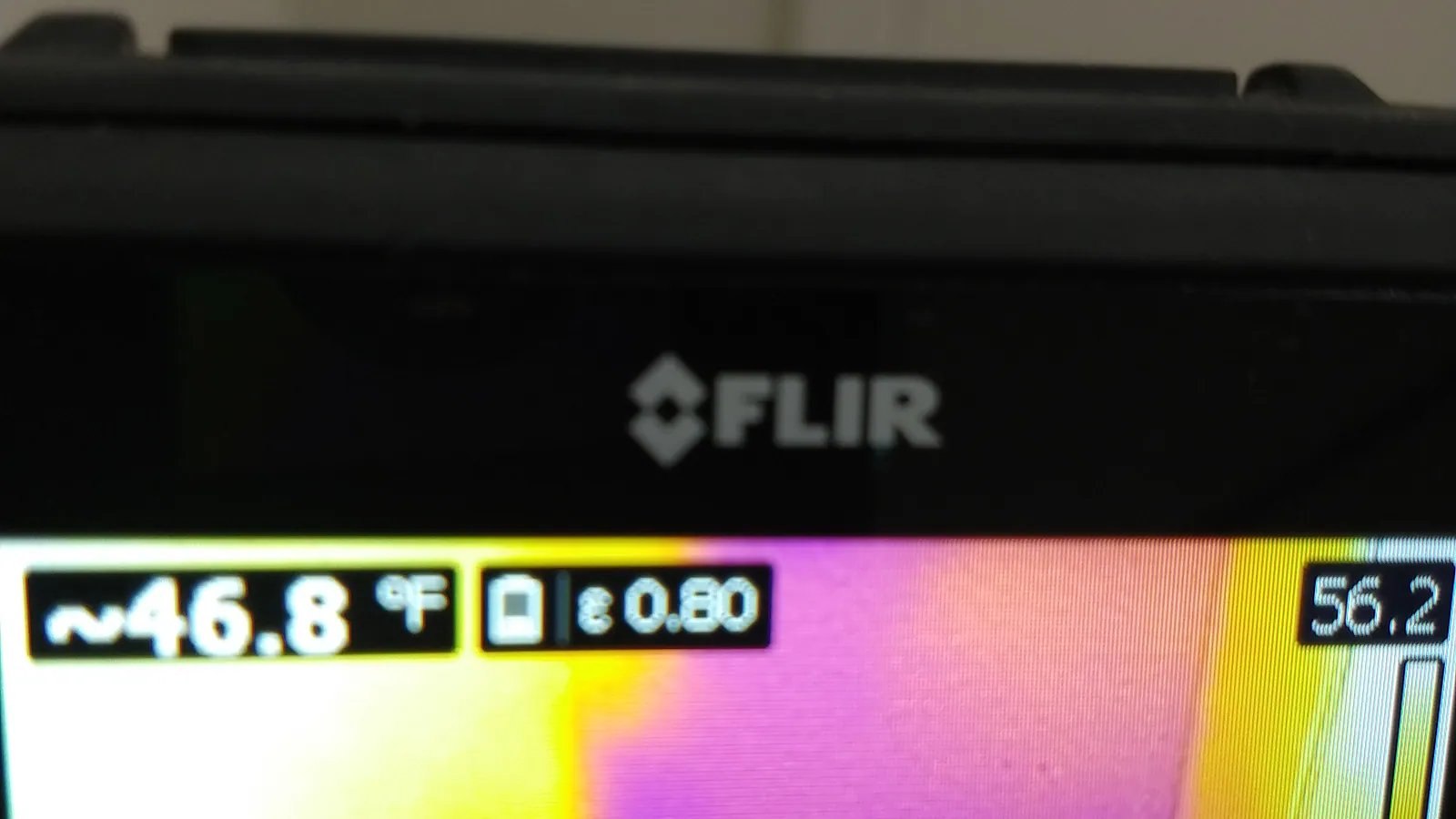
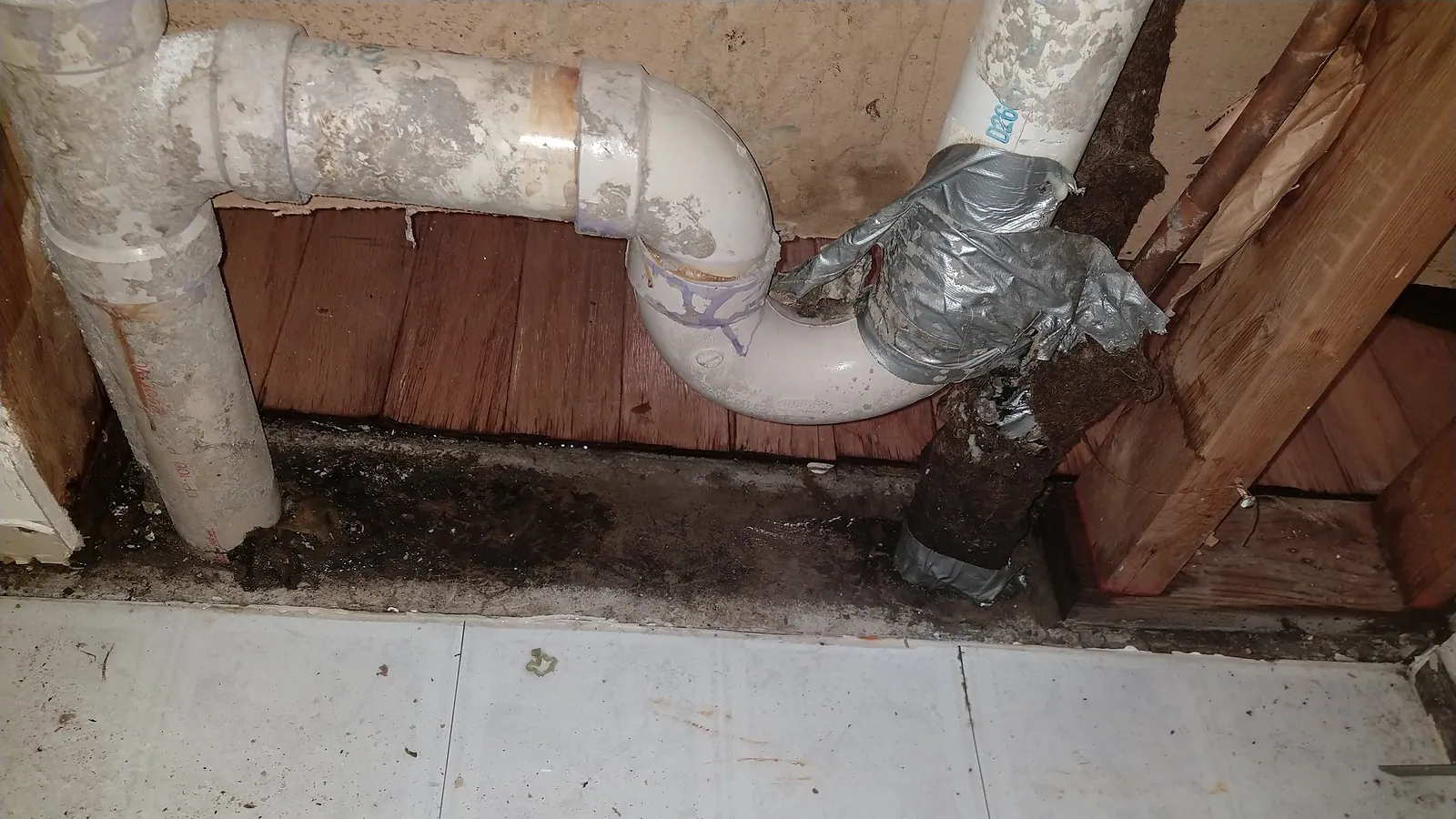
Identifying what got wet and how far the moisture actually traveled.
Moisture Mitigation
Stopping the spread and removing standing water and saturated material.
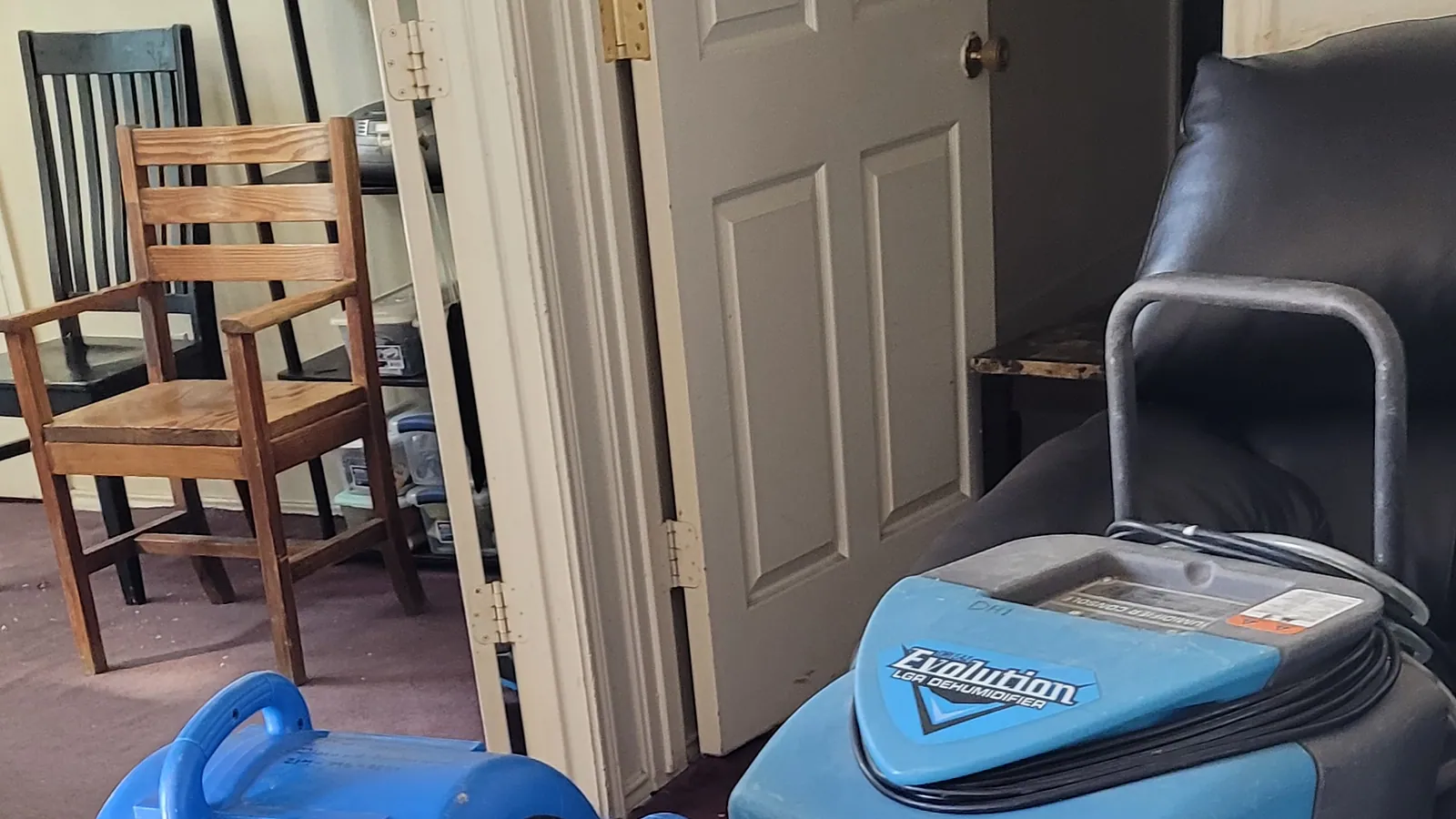
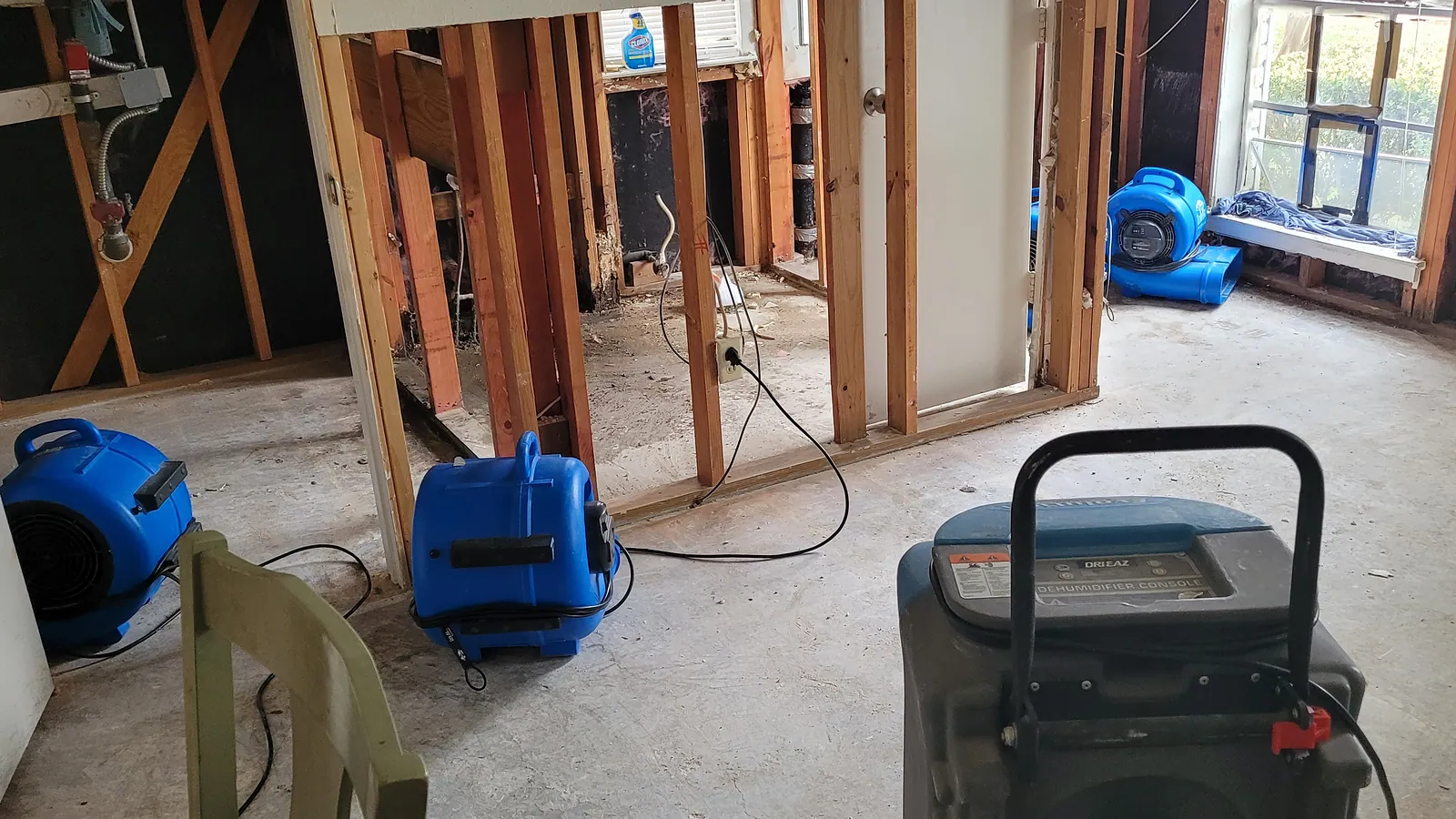
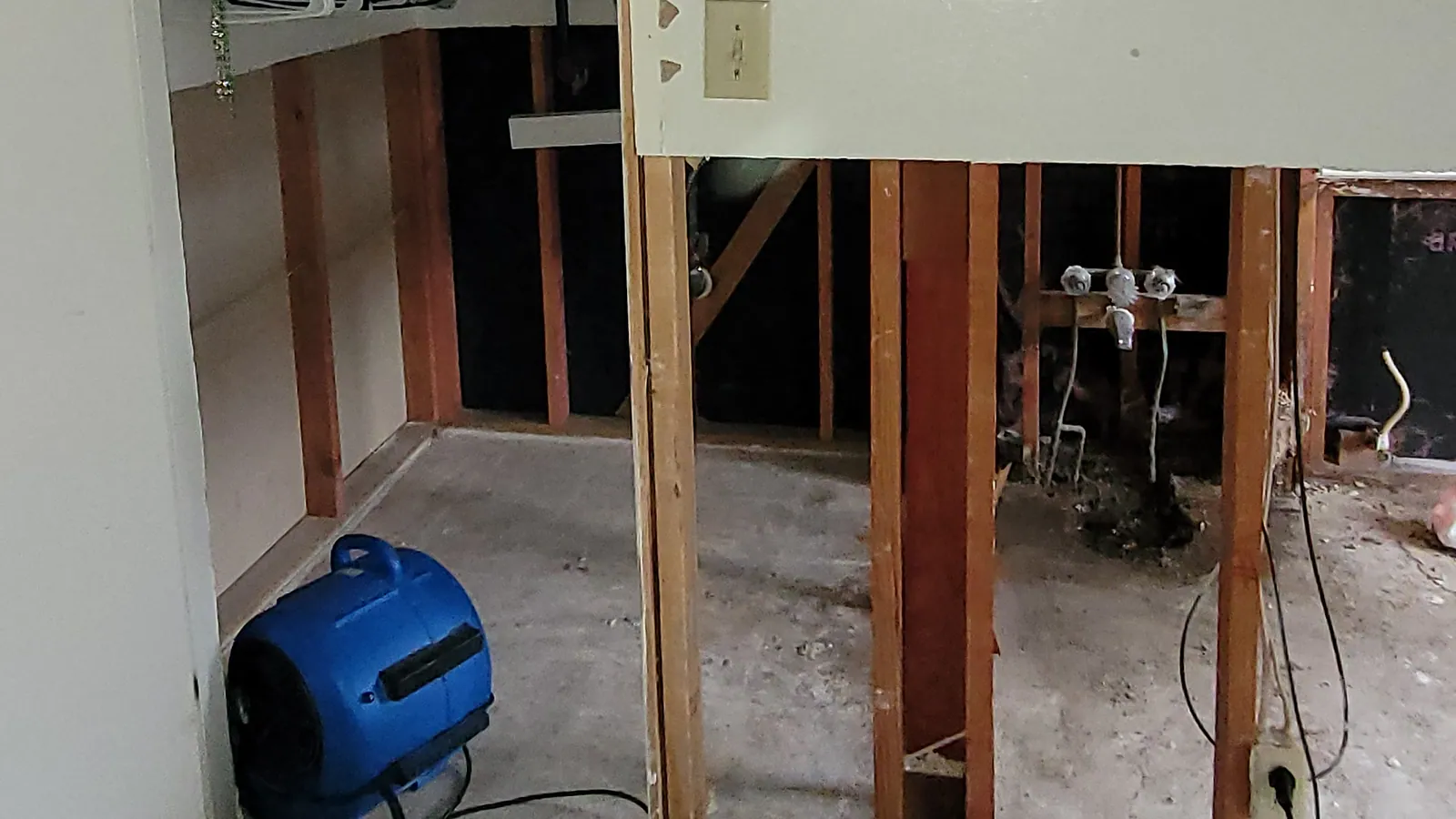
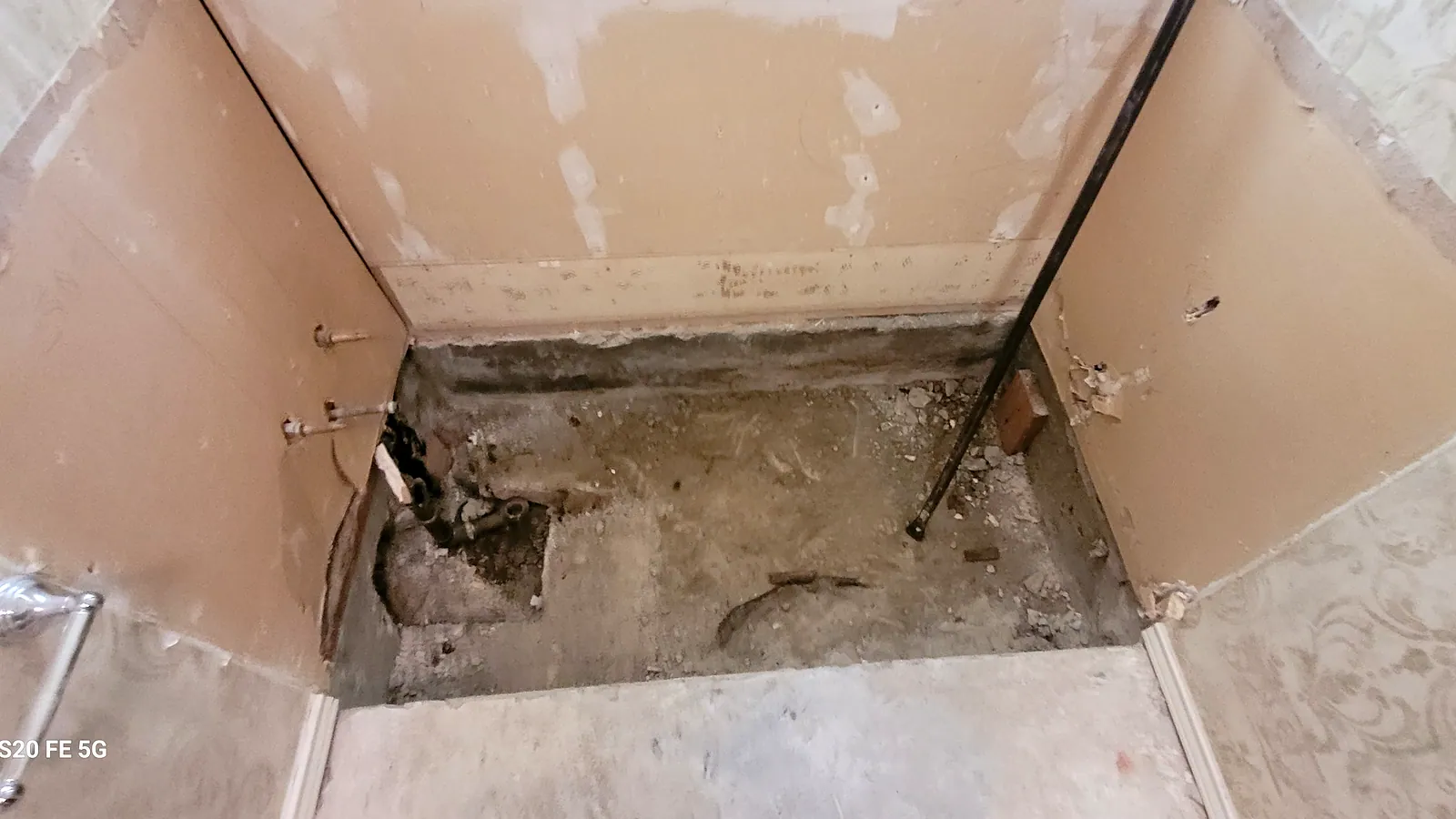
Structural Drying
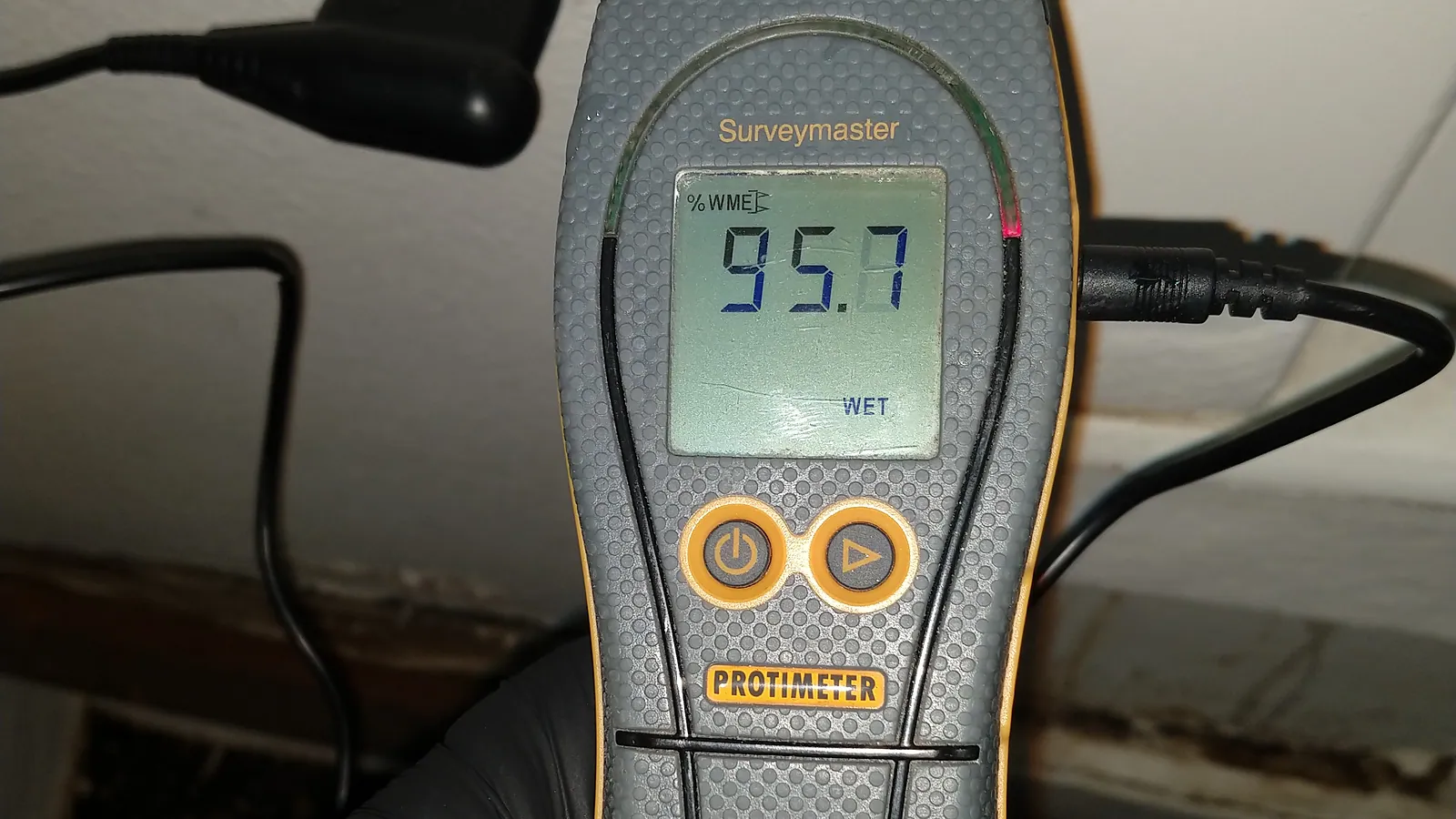
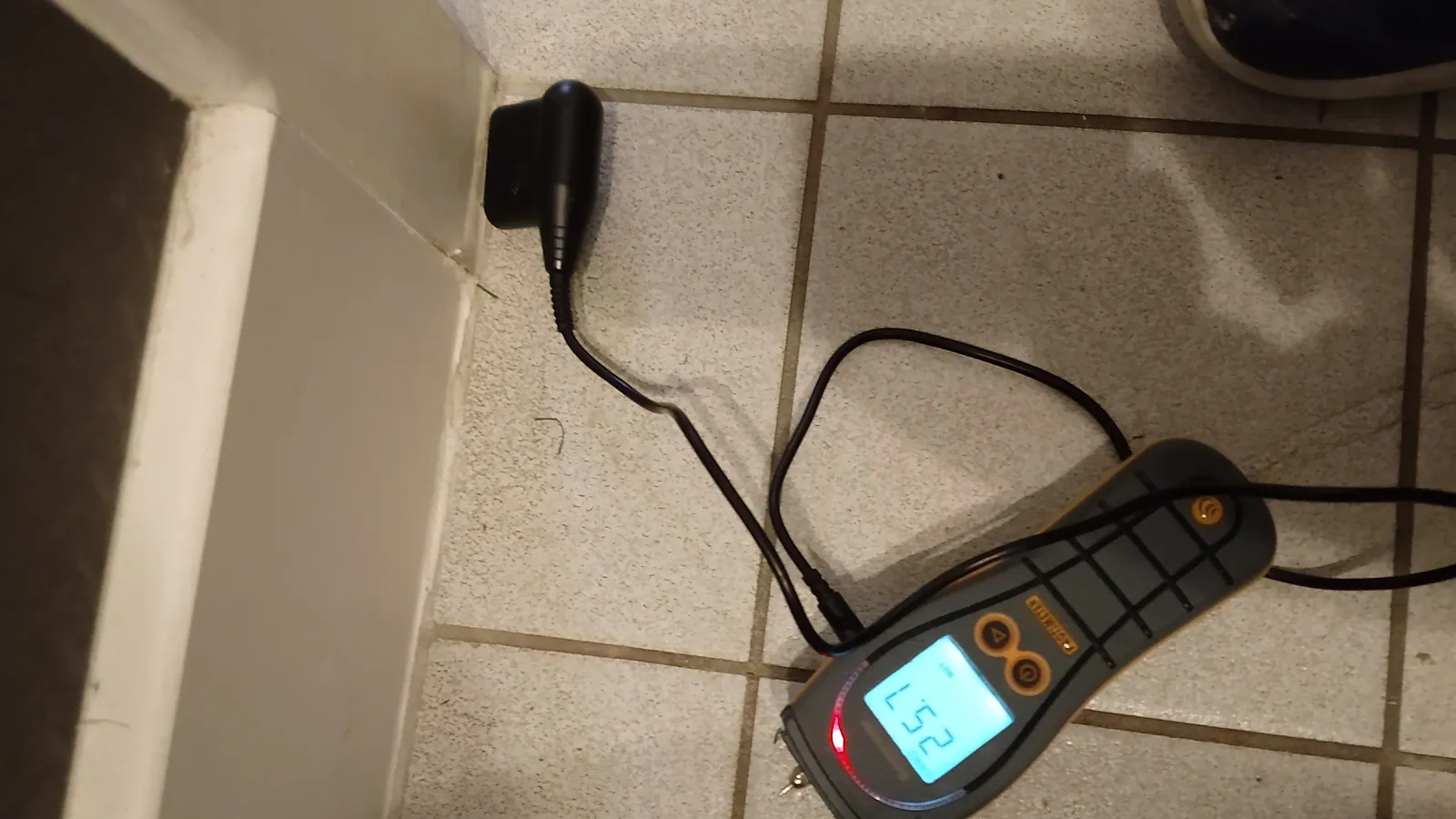
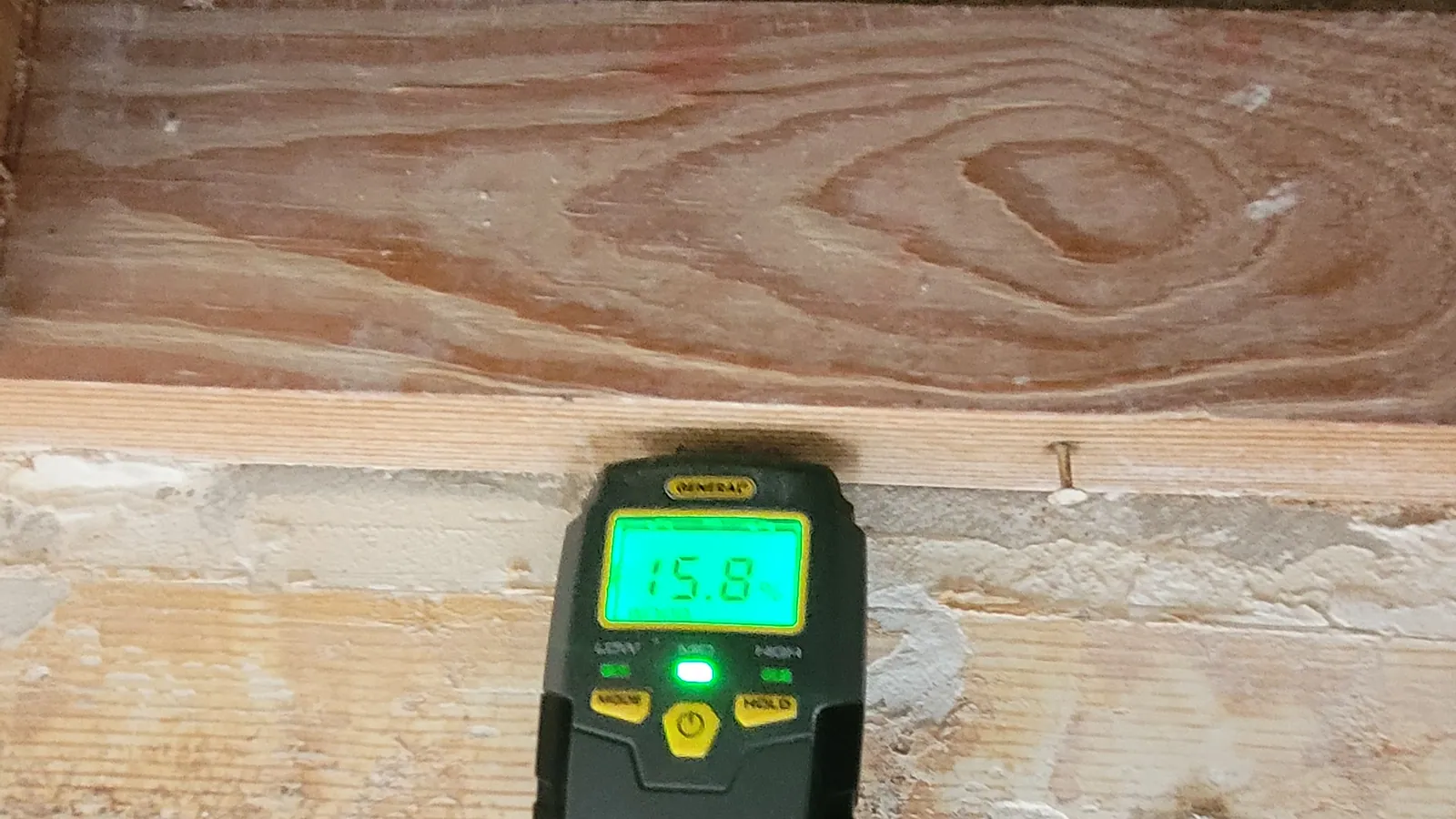
Drying framing, subfloor and cavities to measured readings, not guesswork.
Mold Prevention Measures
Treating and drying affected areas to discourage growth from starting.
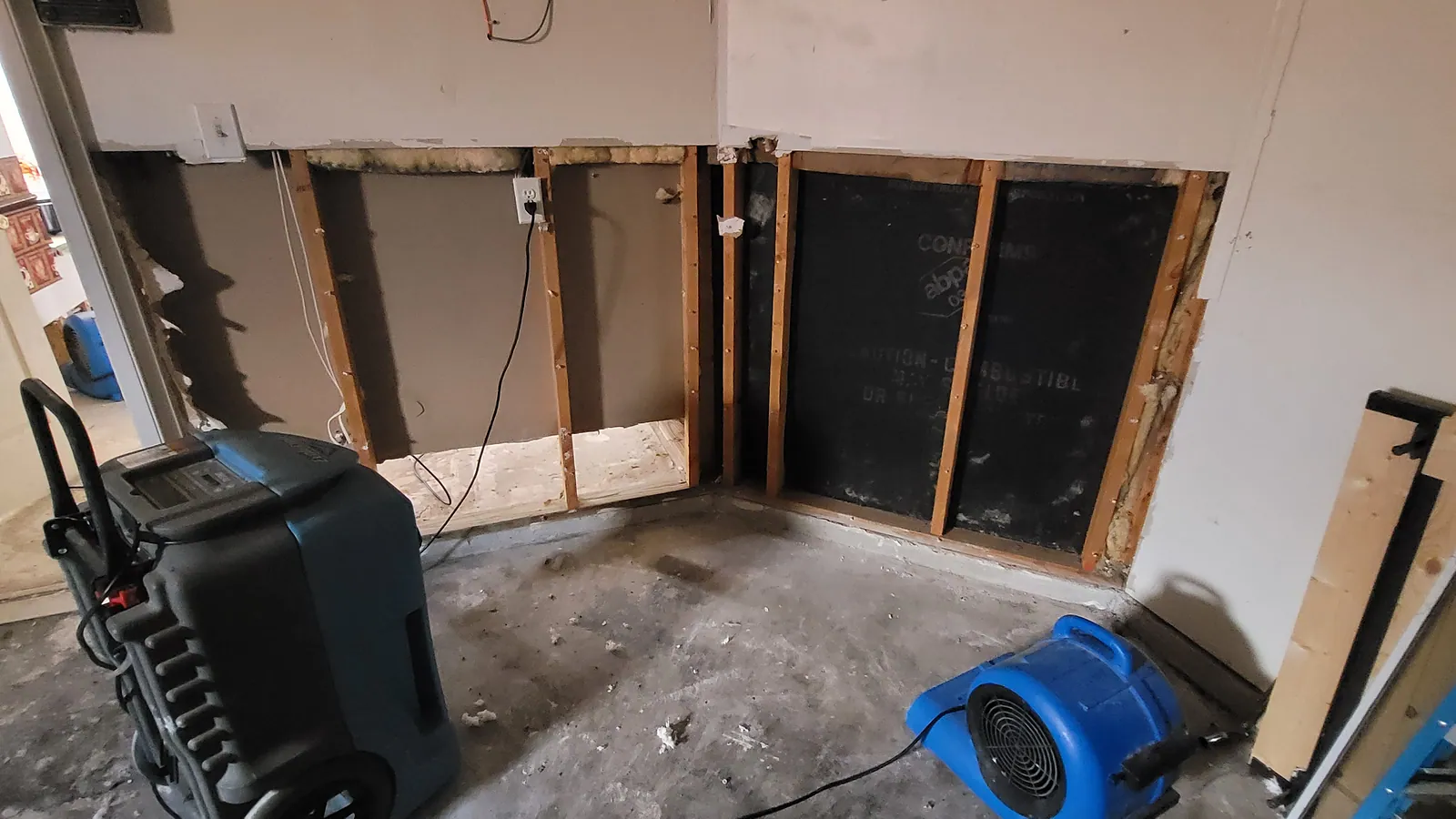
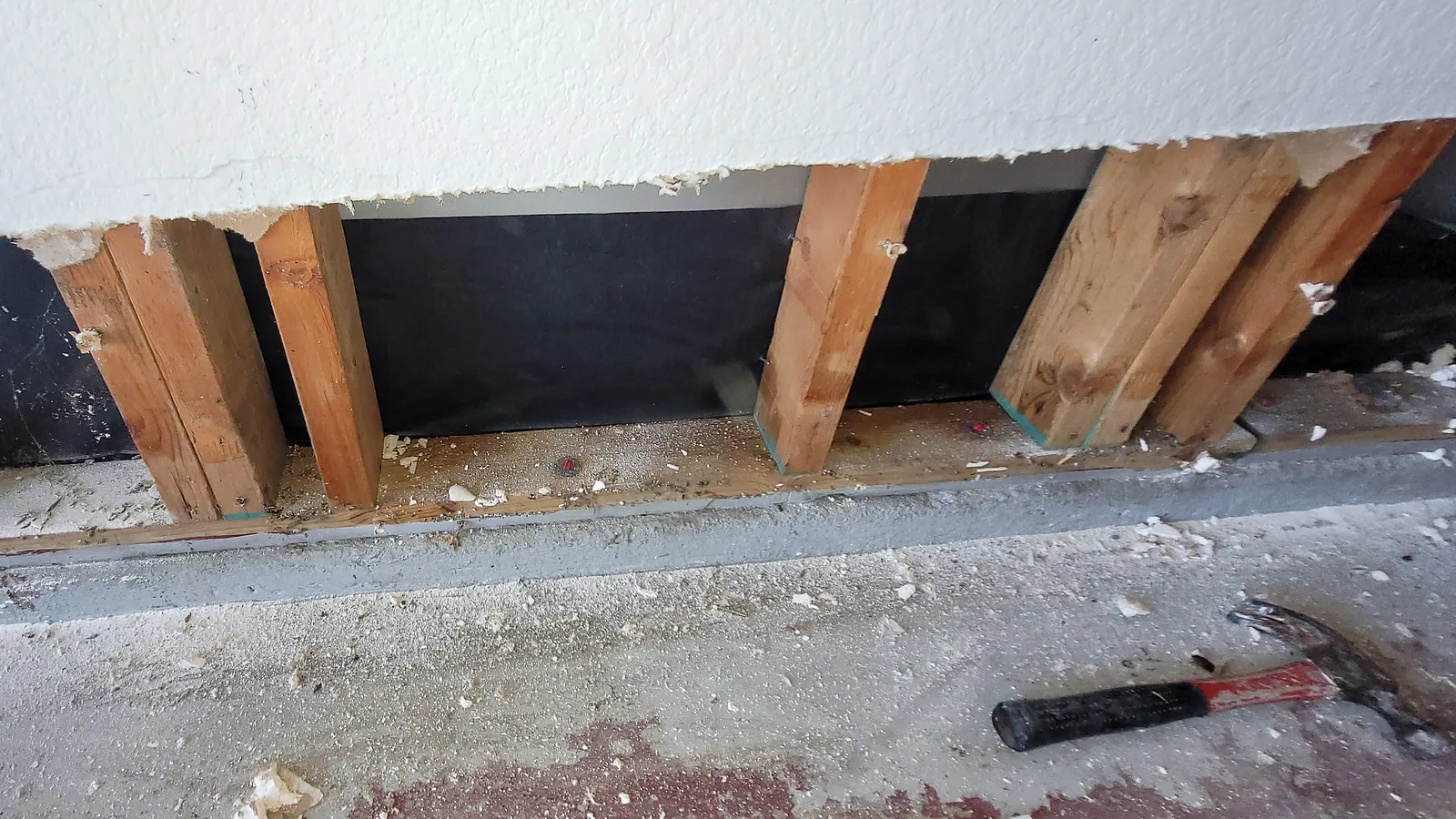
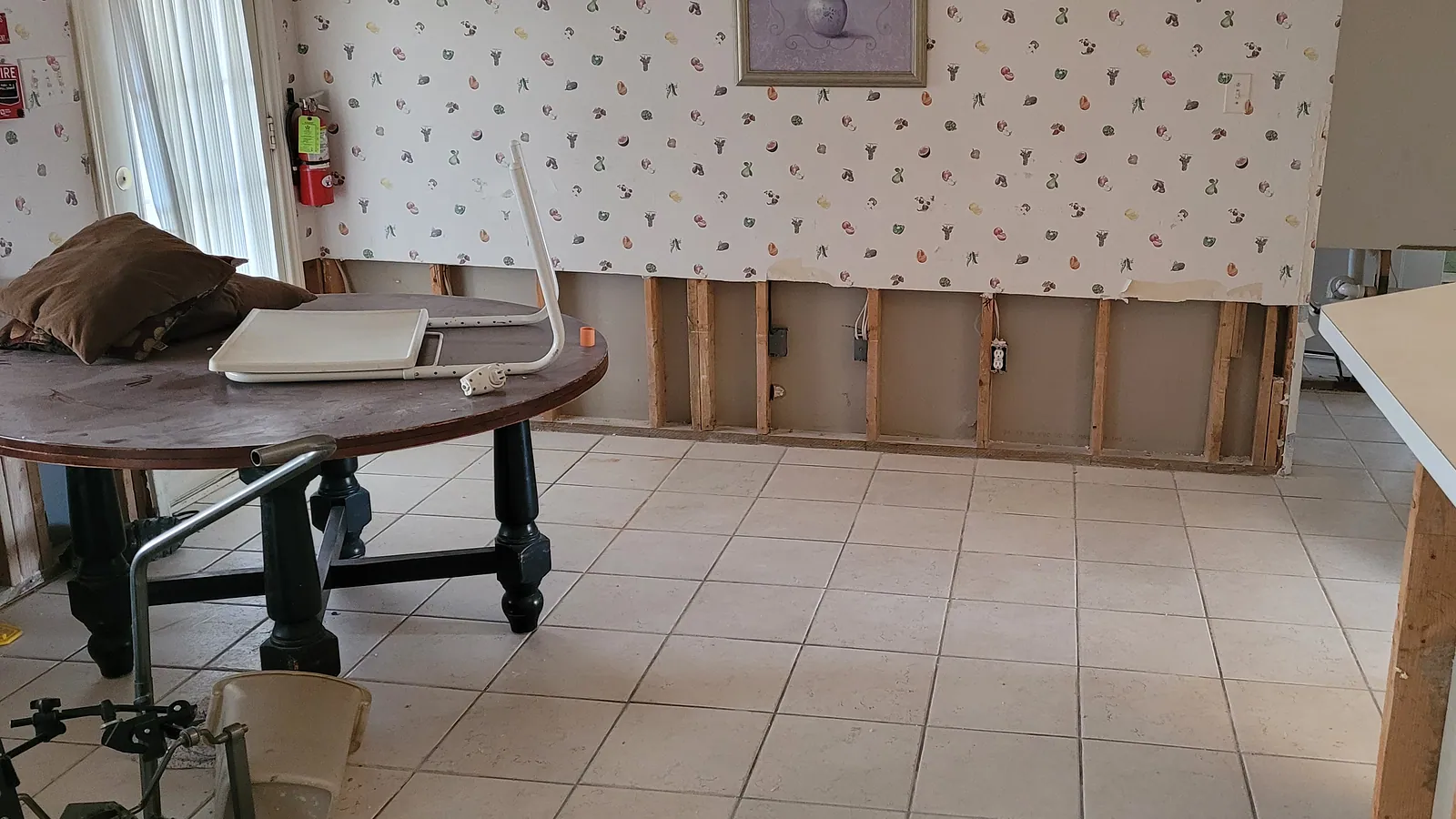
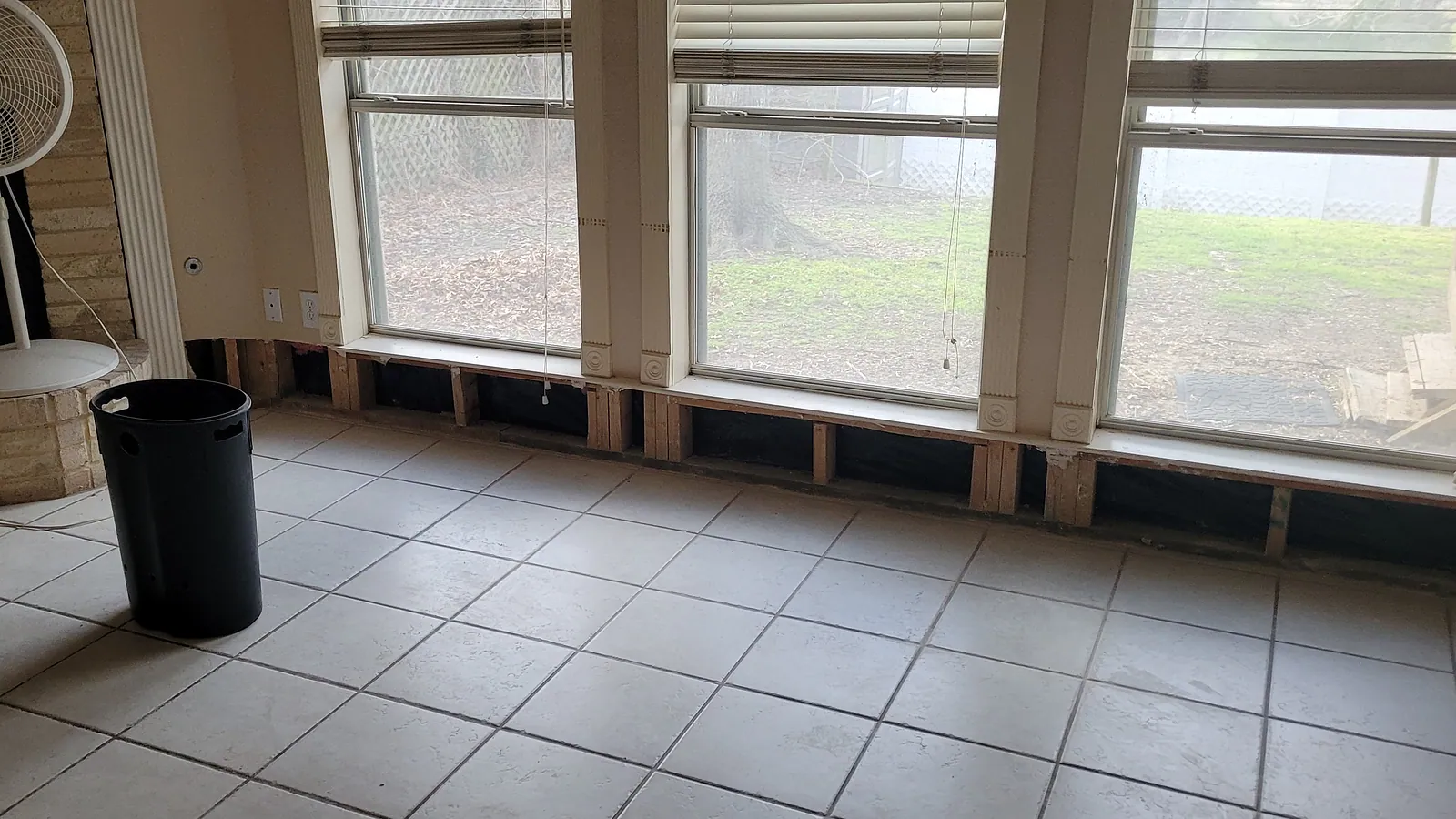
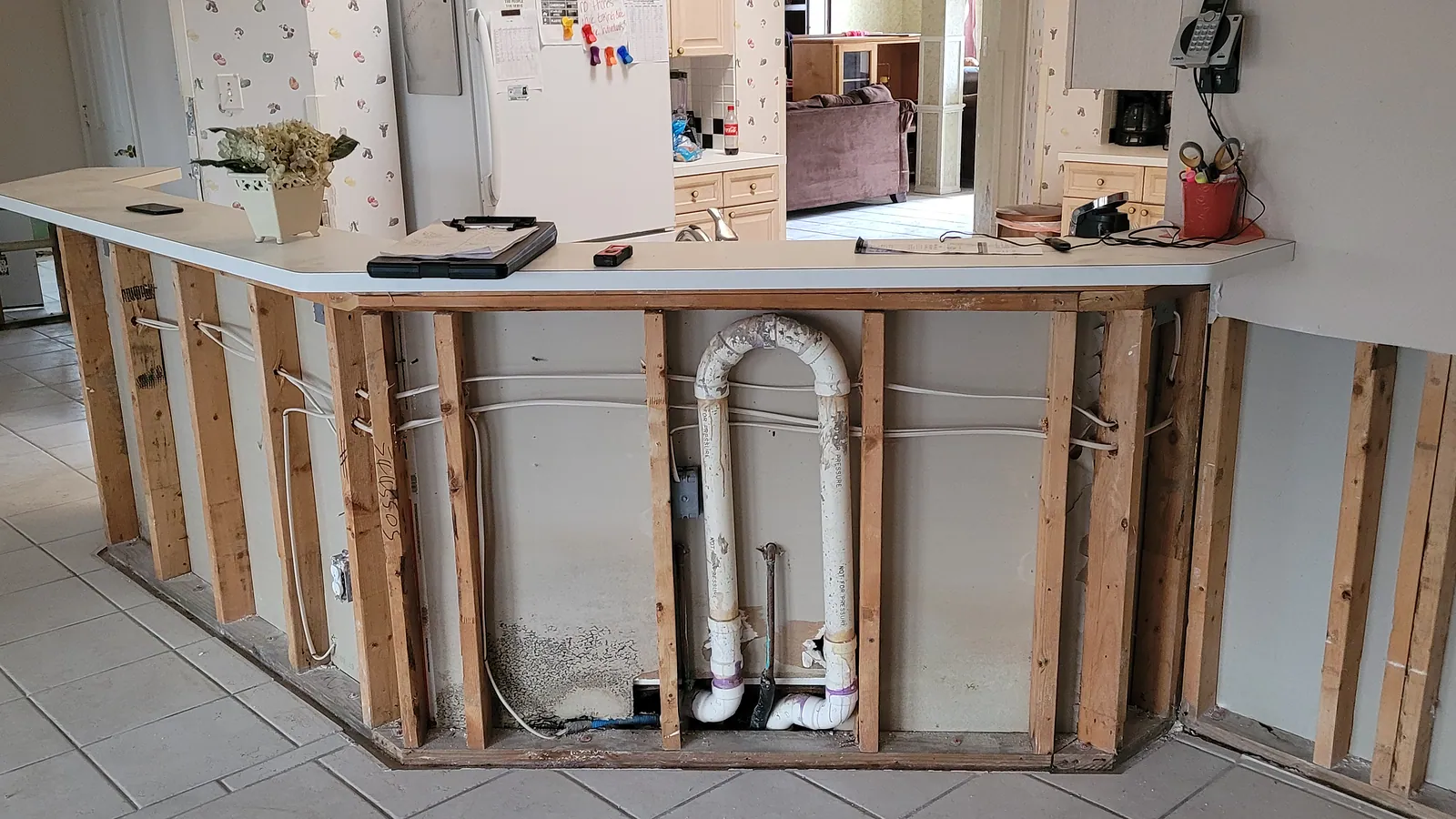
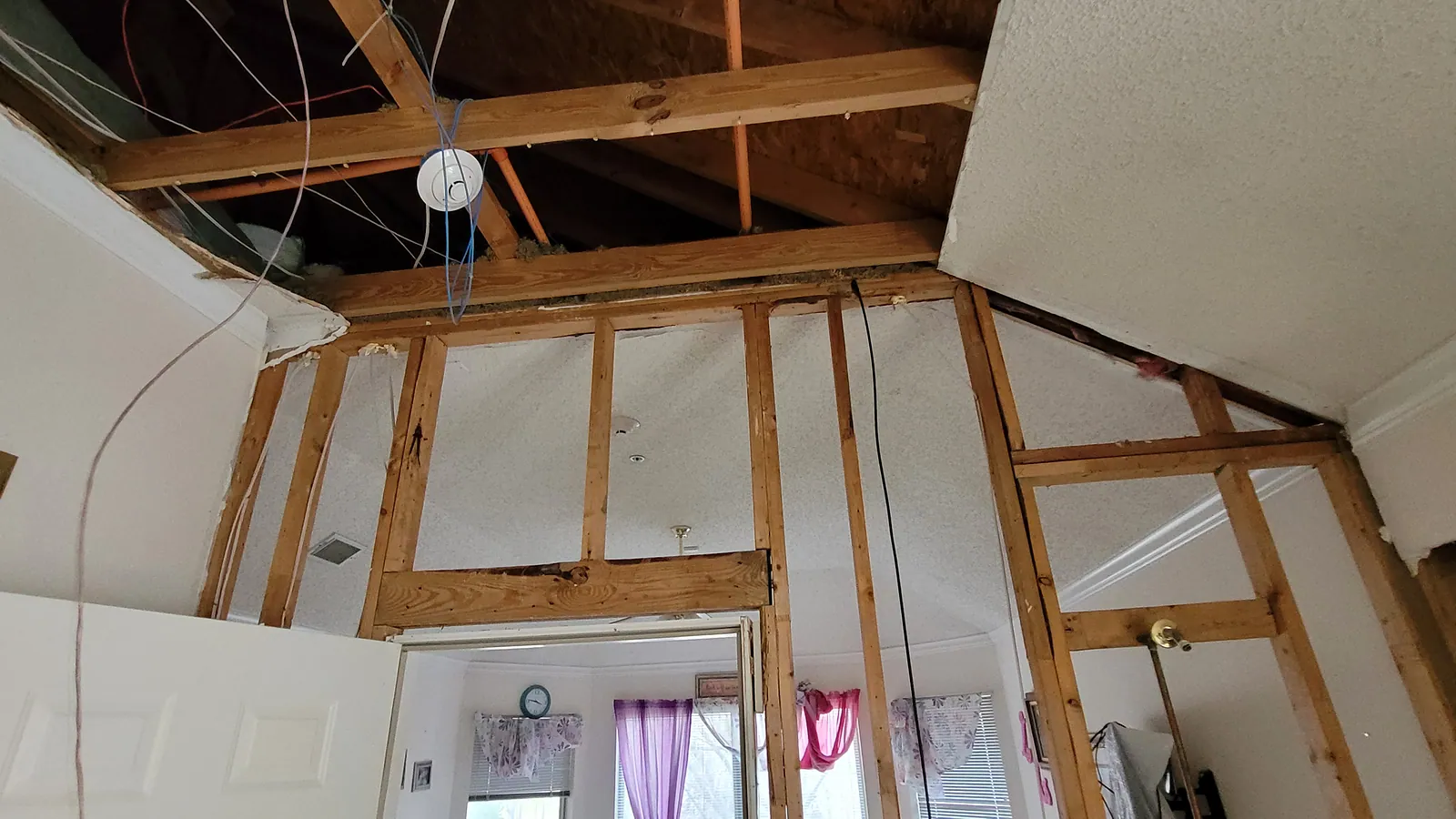
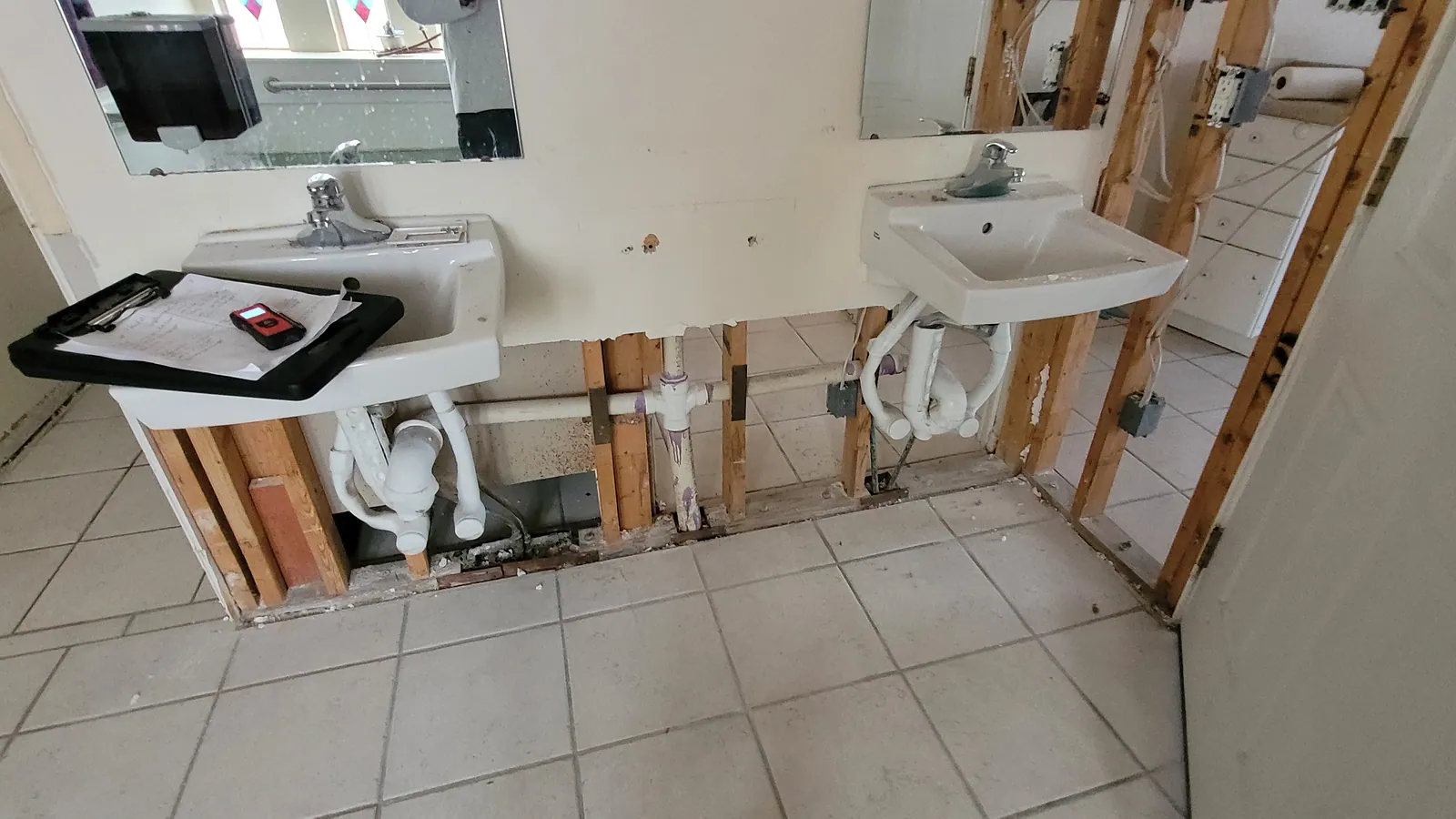
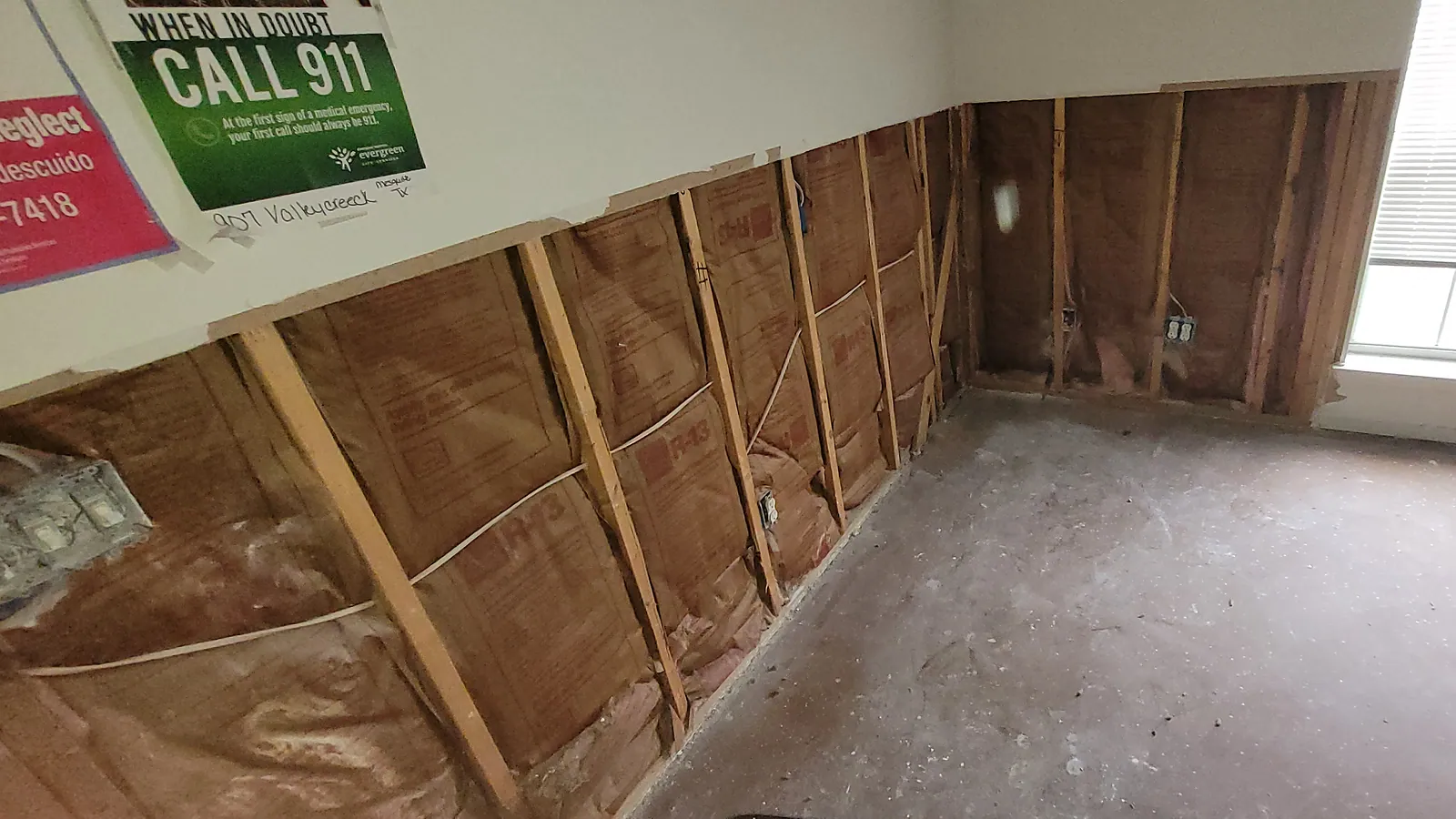
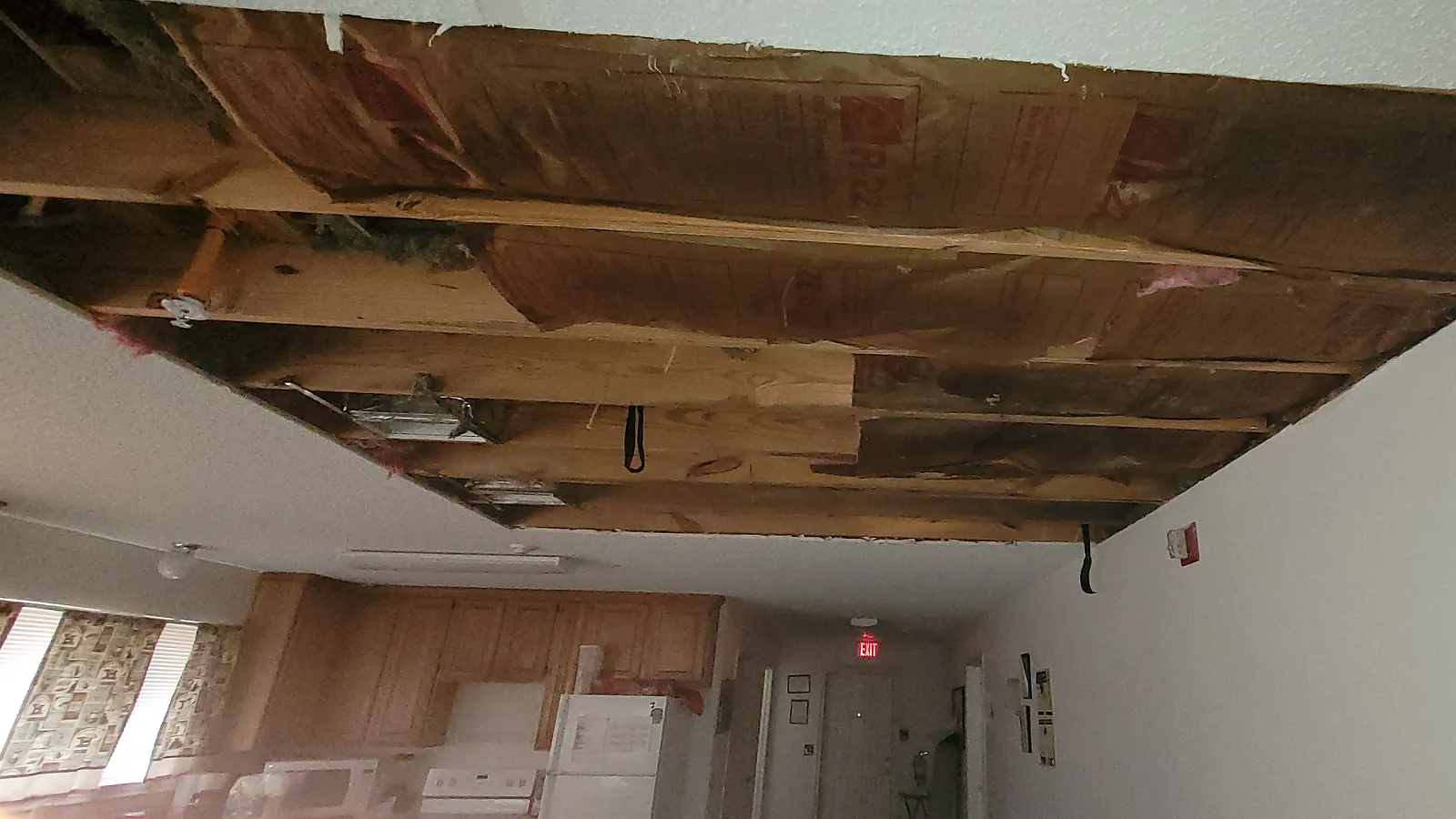
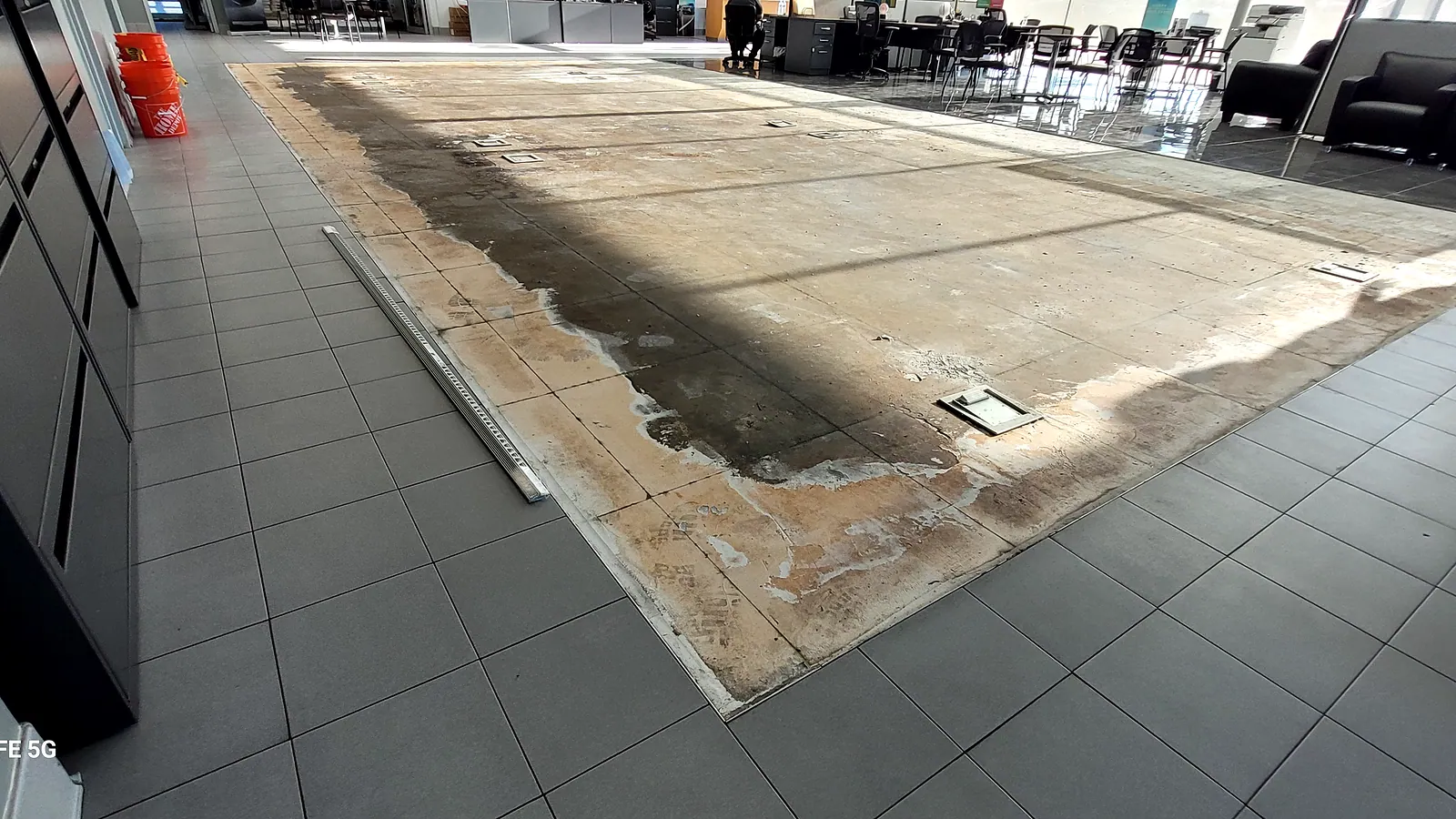
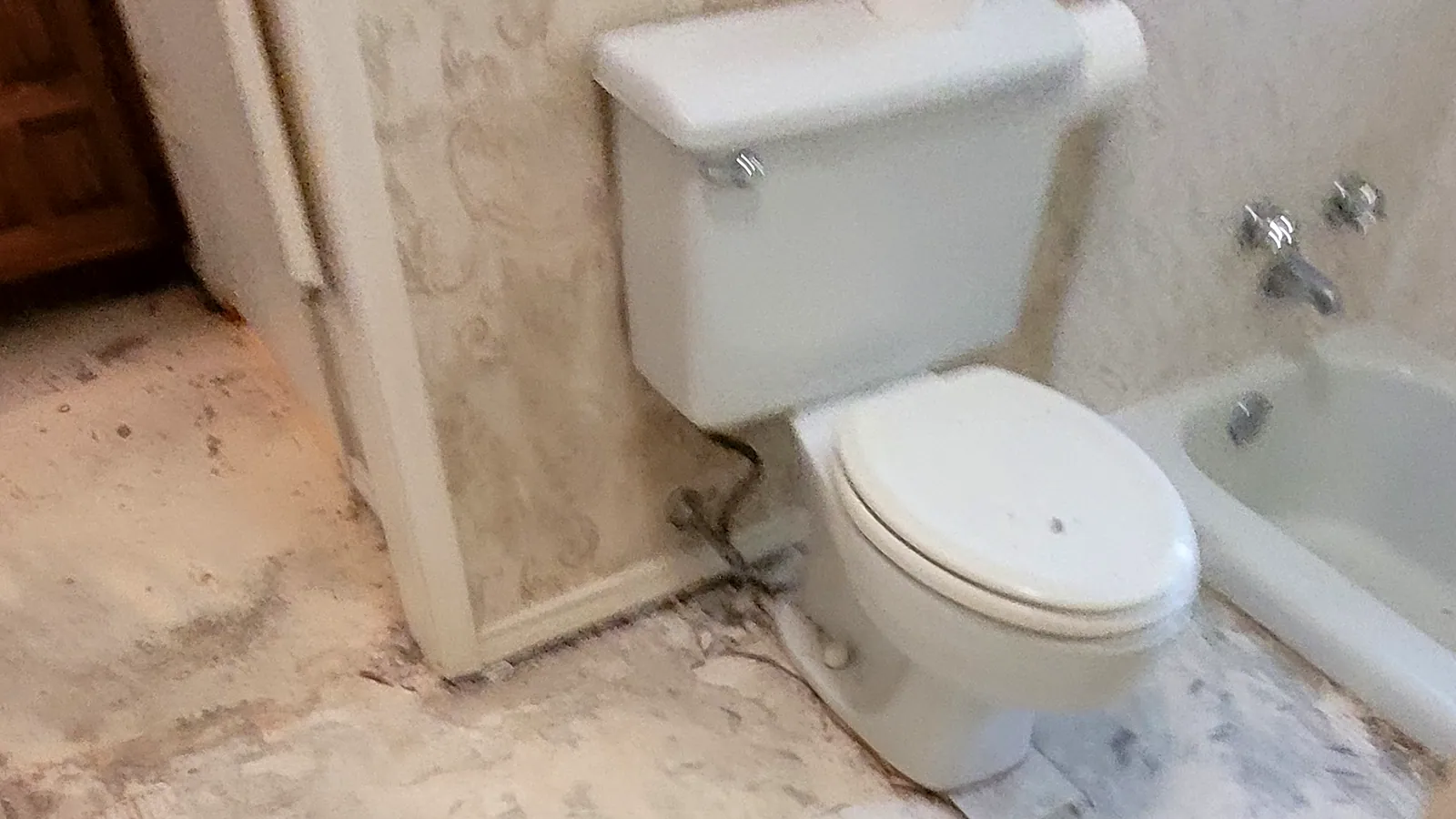
Affected Material Removal
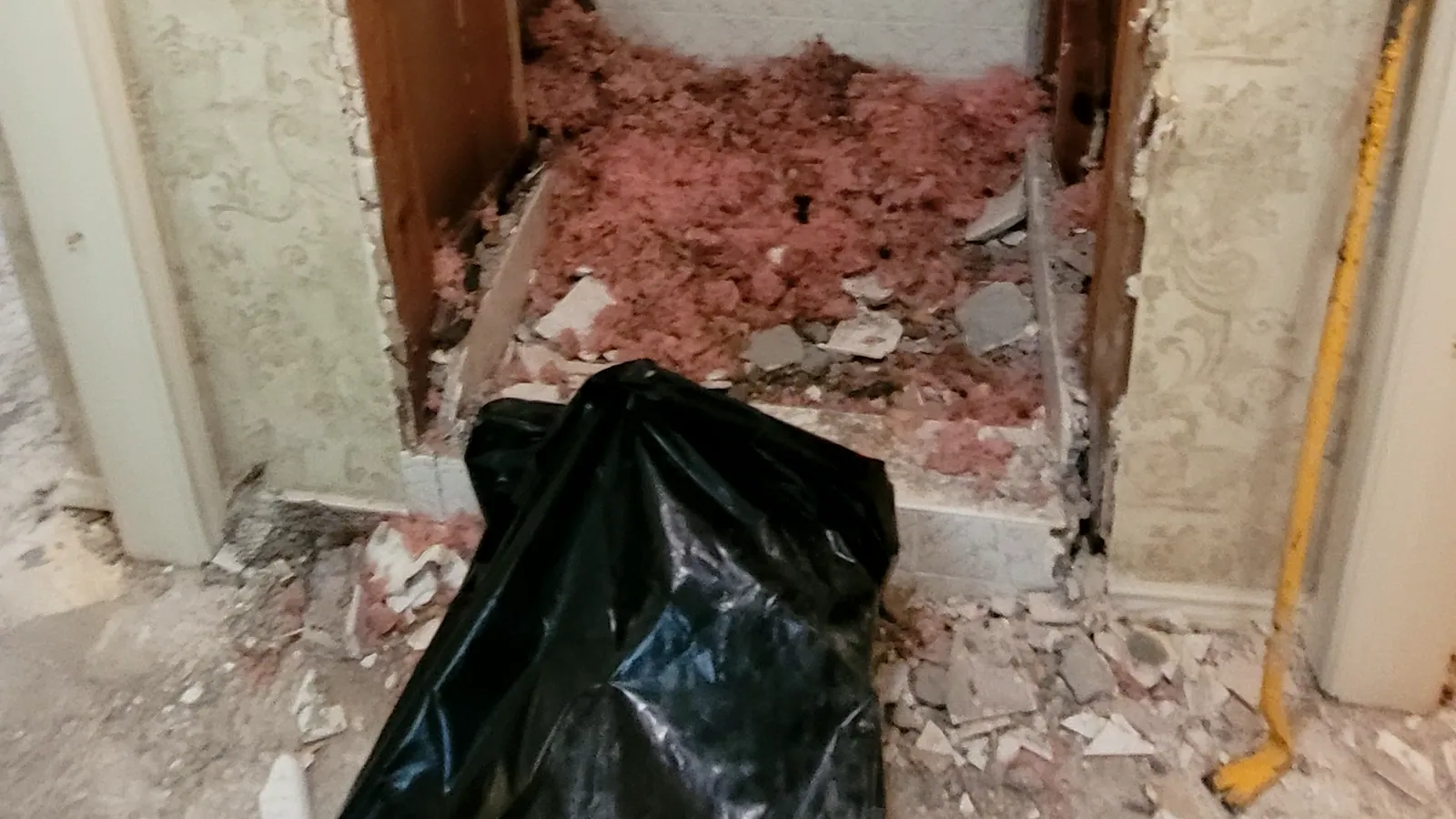
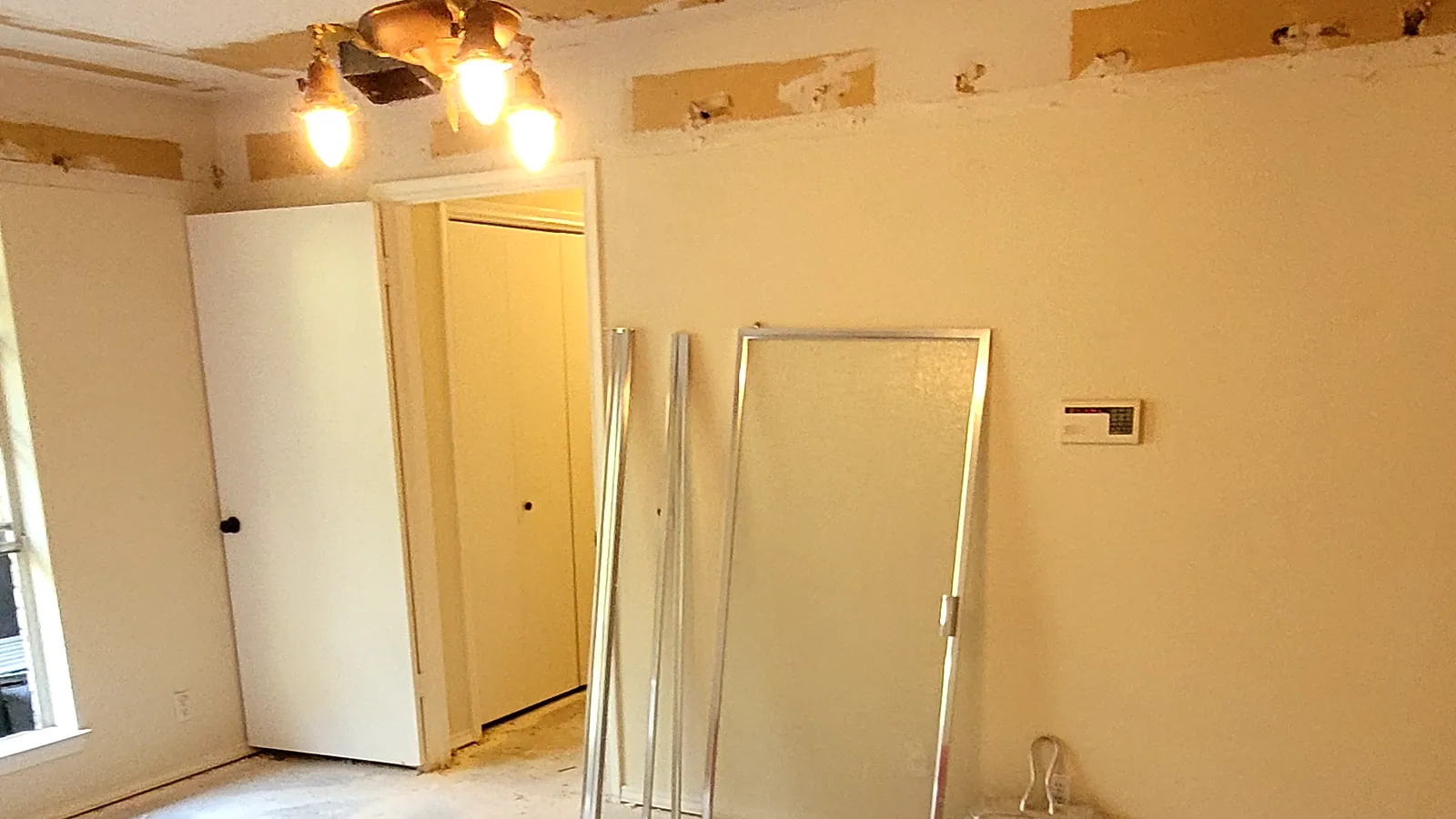
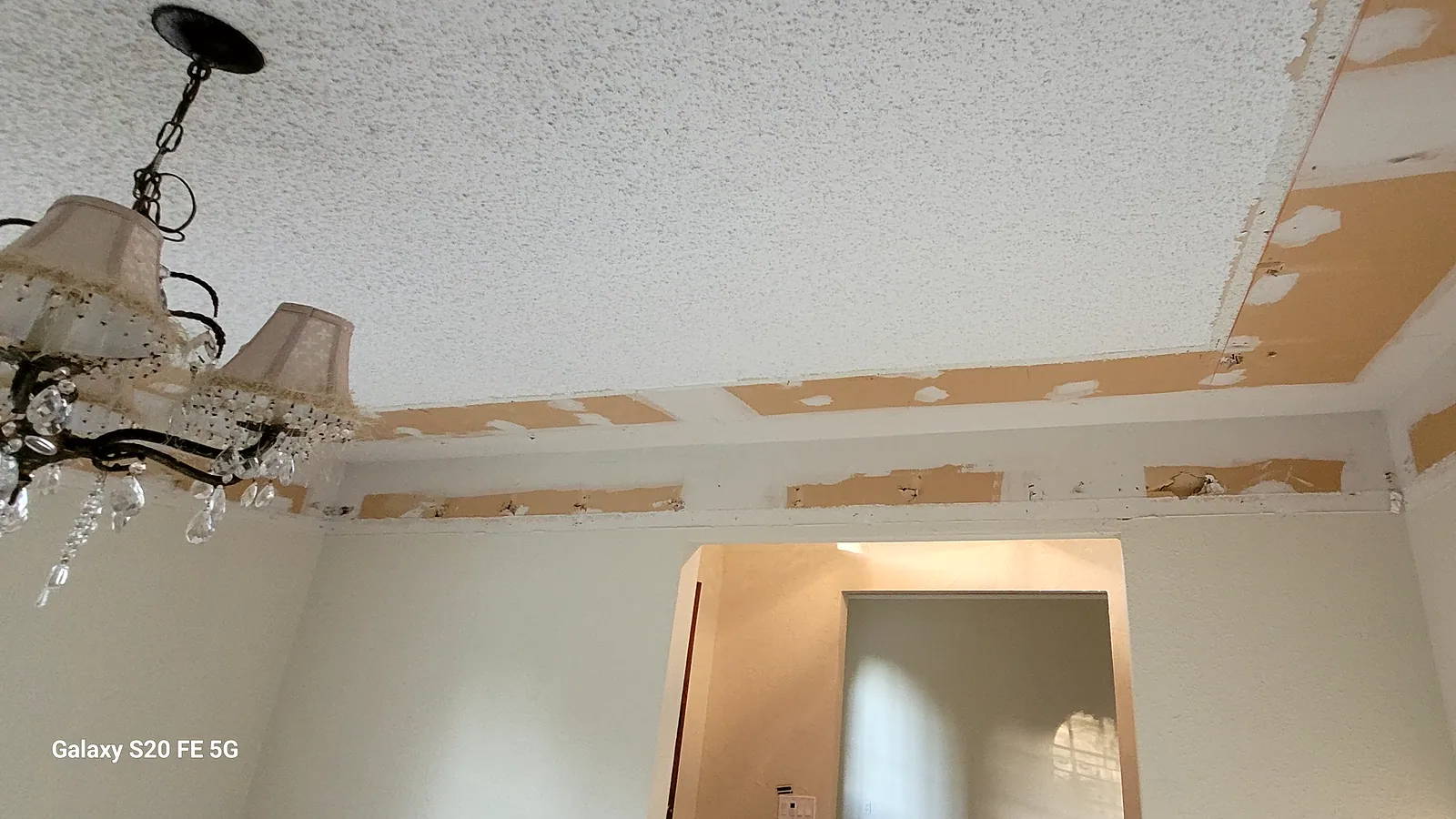
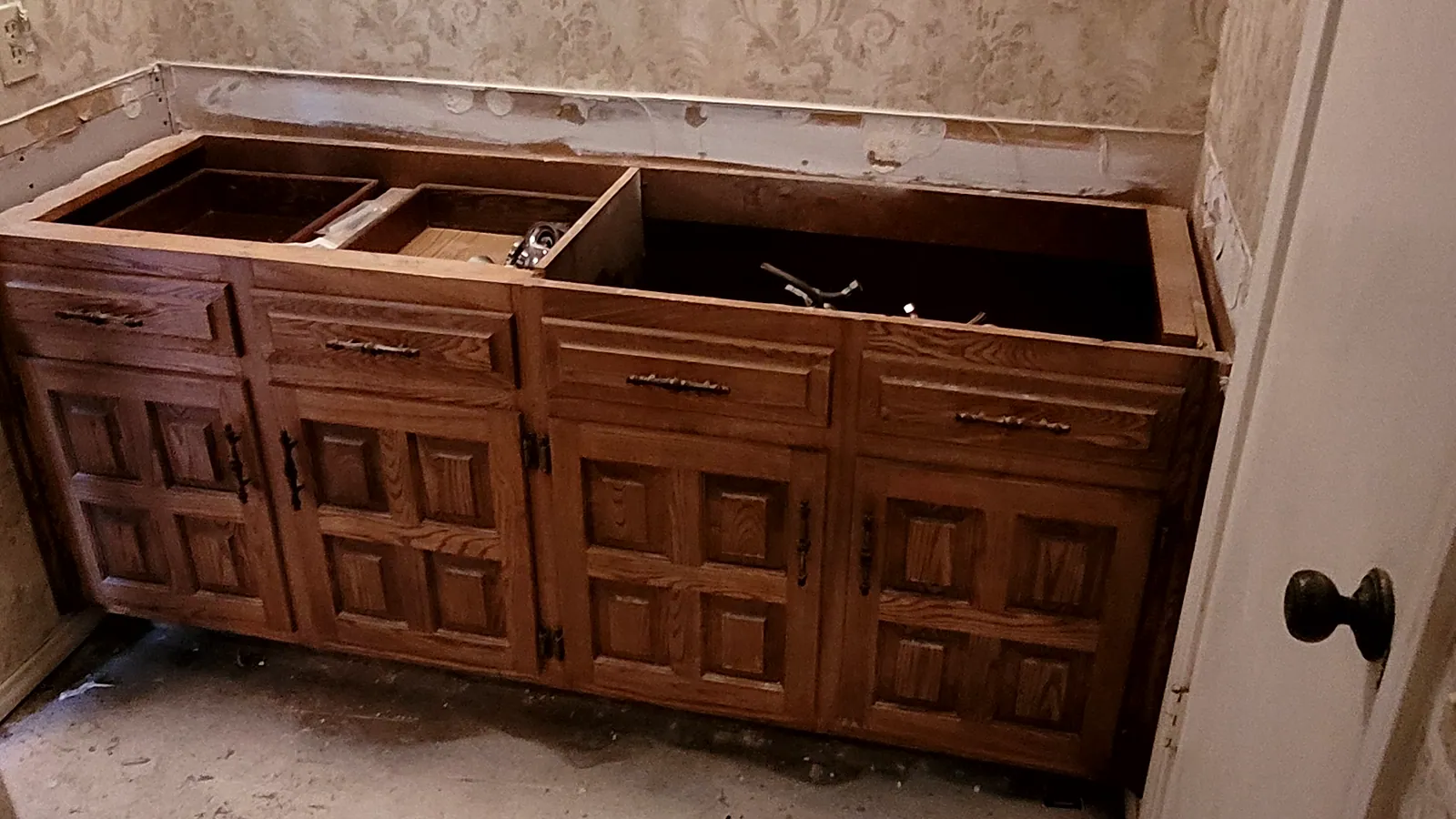
Taking out drywall, insulation and flooring that cannot be dried in place.
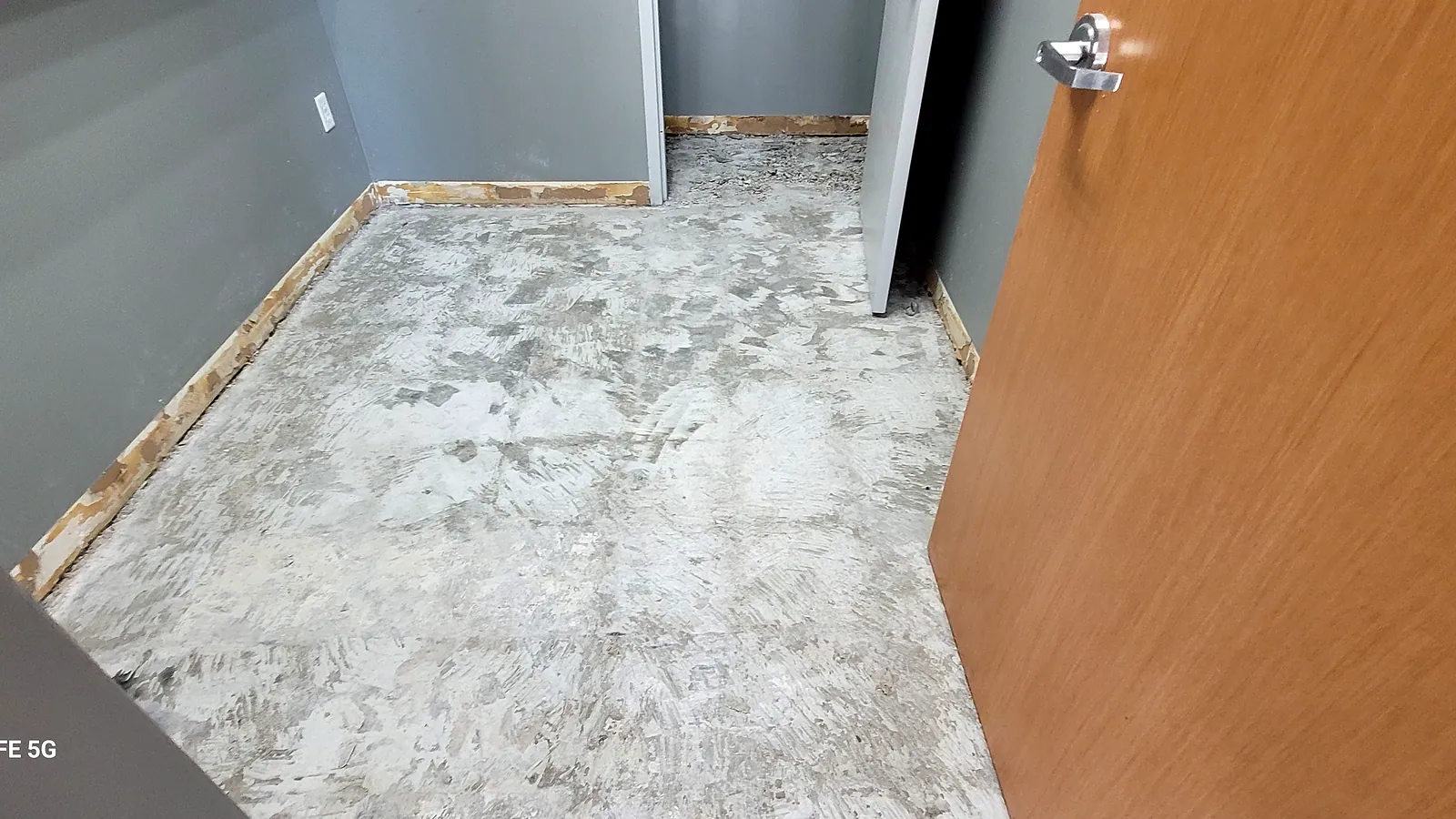
Post-Restoration Repairs
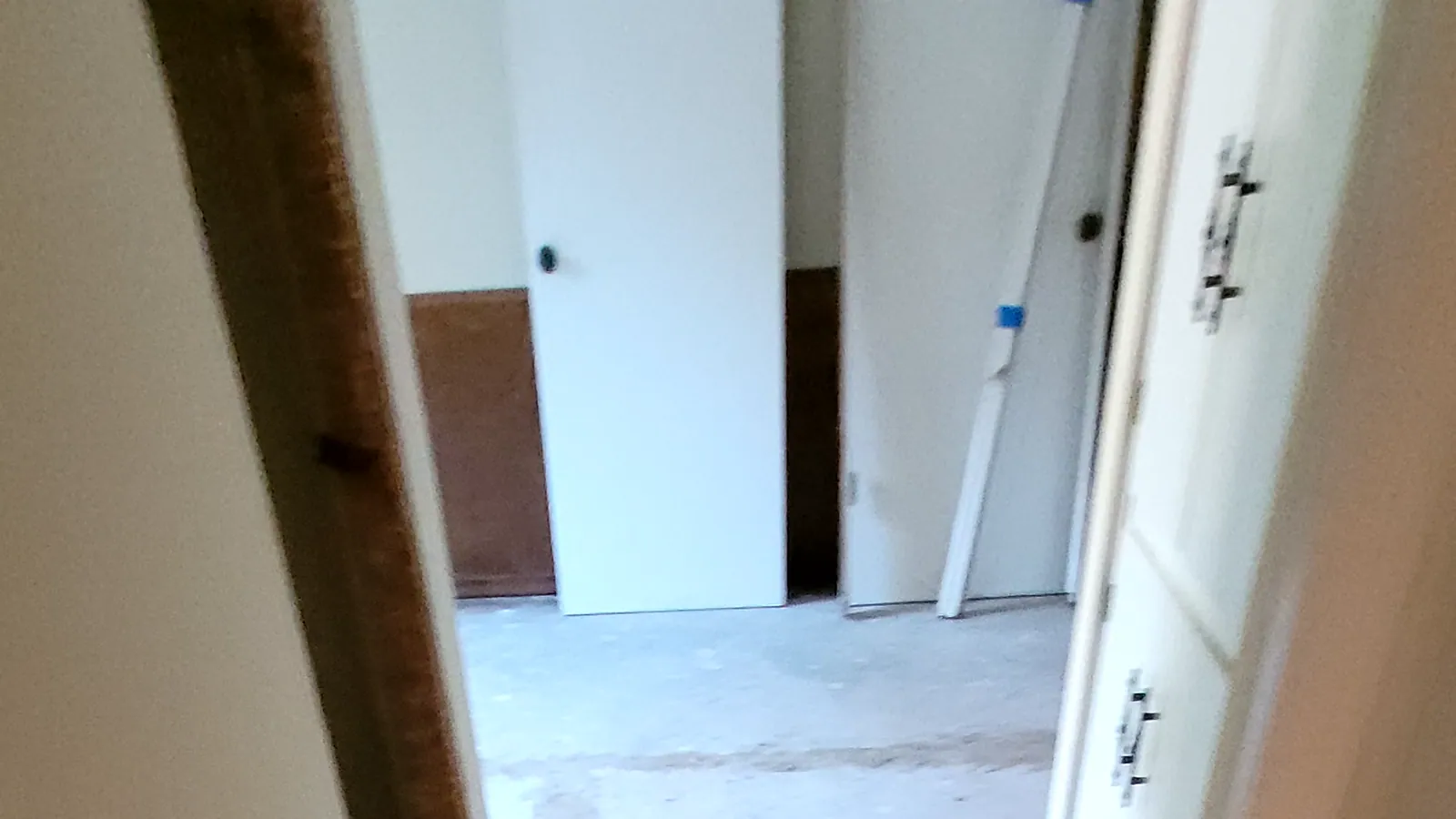
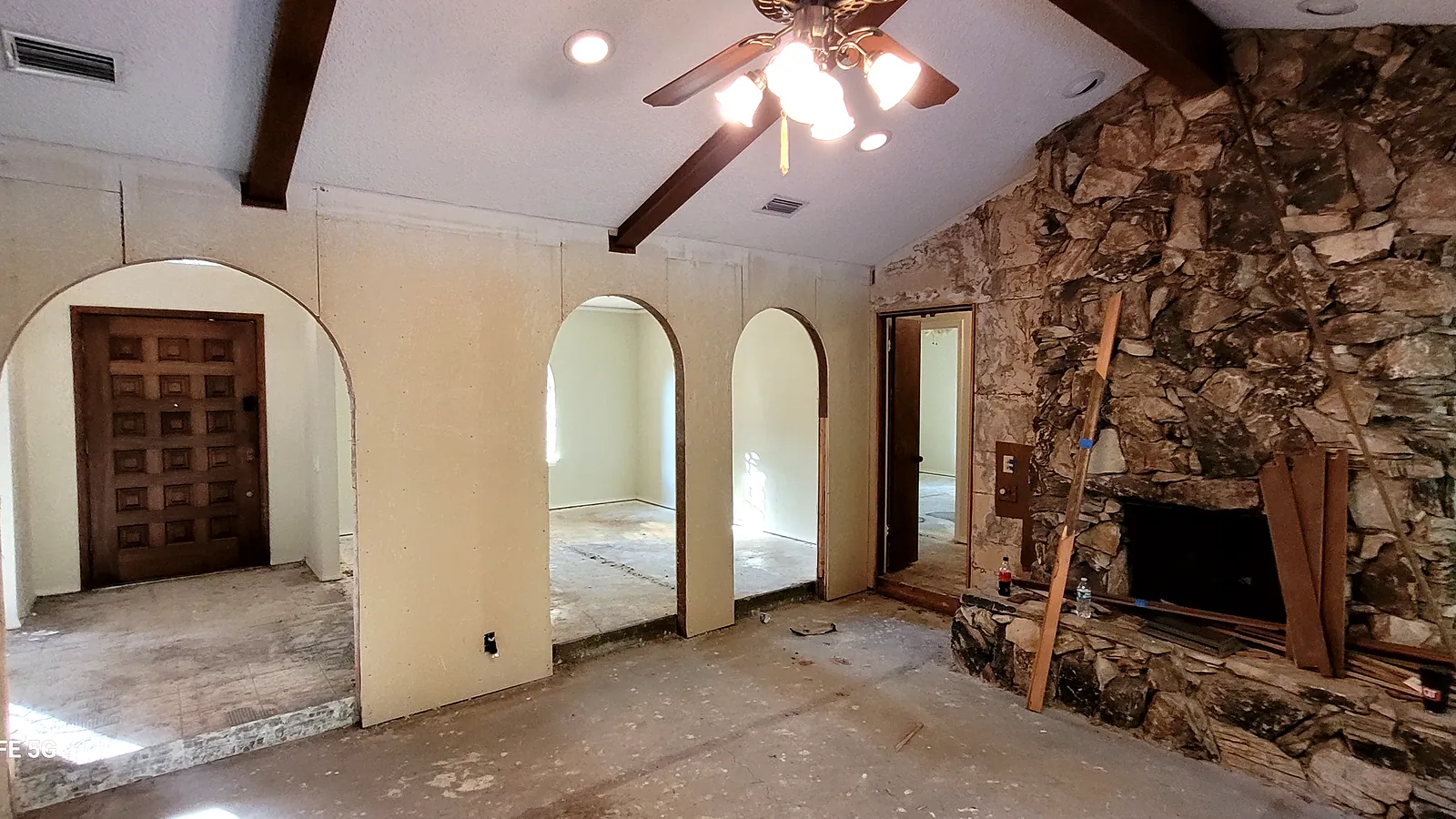
Rebuilding drywall, trim, paint and flooring once readings come back dry.
When To Have This Looked At
None of these confirm a problem on their own, but each one is worth an evaluation.
- Water stains on ceilings, walls or baseboards
- A musty smell in closets, cabinets or crawl space
- Flooring that is cupping, buckling or lifting
- Paint or trim that is bubbling or peeling
- Drywall that feels soft or looks discolored
- A spike in the water bill with no clear cause
How We Handle Water Restoration
Assess and Document
We map what got wet and how far it went, and document it so you have a record.
Dry the Structure
Framing, subfloor and cavities are dried to meter readings rather than to the touch.
Repair What Came Out
Drywall, trim, paint and flooring go back once the readings confirm the structure is dry.
Questions About Water Restoration
How fast do I need to act after water damage?
Quickly. The difference between a dry-out and a demolition is often measured in days, because saturated material keeps feeding moisture into framing and cavities.
Is water damage covered by my homeowners insurance?
Coverage depends on your policy and on what caused the damage, and sudden events are commonly treated differently from long-term seepage. We are not your insurer, so we document what we find and you take that to your carrier, who makes the determination.
Do you handle mold?
Our focus is drying and prevention, which is what keeps growth from starting. Where established growth is present, that is remediation work and we will tell you plainly that it needs a specialist.
What happens after the structure is dry?
Anything that had to come out goes back. Drywall, texture, paint, trim and flooring are restored, which is work we do in house.
Want Water Restoration Looked At?
Get a free, on-site evaluation from Texas Structural Concepts and see the plan for yourself before you commit to anything.